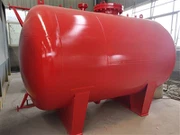
Detailed explanation of tank operation method
Jun 18, 2025
As the core equipment of industrial production and liquid storage, the operation specifications of storage tanks directly affect safety, efficiency and service life. Whether it is petrochemical, food processing or pharmaceutical industry, it is crucial to master the correct operation method of storage tanks. This article will introduce the standardized operation process of storage tanks in detail to help practitioners improve their operation level.
1. Preparation before operation
Before starting the storage tank, a comprehensive inspection is required. First, confirm the structural integrity of the storage tank and check whether there are leaks or corrosion in the welds, flanges and valves. Secondly, ensure that the safety accessories (such as pressure gauges, liquid level gauges, and breathing valves) function properly and calibrate the instrument data. In addition, operators need to wear protective equipment and be familiar with emergency plans to avoid risks caused by operational errors.
2. Liquid storage and loading and unloading
The loading and unloading of storage tanks must strictly follow the process. When feeding, the flow rate should be controlled to prevent static electricity accumulation, and the liquid level changes should be monitored to avoid overflow. For flammable and explosive liquids, explosion-proof tools should be used and ventilation should be maintained. During the discharge stage, the residual liquid in the pipeline needs to be drained in advance to prevent residual contamination or blockage. If high-temperature or low-temperature liquids are involved, it is necessary to ensure that the tank insulation system operates normally to avoid structural damage caused by temperature differences.
3. Daily maintenance and safety
Regular maintenance is the key to the long-term and stable operation of the tank. It is recommended to check the sealing every month, clean the sediment at the bottom of the tank, and record the liquid level, temperature and other data to analyze abnormalities. For tanks that have been out of service for a long time, the internal medium needs to be emptied and inerted to prevent oxidation or microbial growth. In addition, operators should receive regular safety training and master skills such as leak disposal and fire fighting.
4. Environmental protection and compliance
The operation of the tank must comply with local environmental regulations, such as wastewater discharge standards and gas recovery requirements. It is recommended to install an oil and gas recovery device to reduce volatile organic compound (VOCs) emissions. At the same time, establish a complete operation log for easy traceability and regulatory review.
Standardized tank operation can not only improve production efficiency, but also ensure the safety of personnel and the environment. Practitioners should continue to pay attention to the update of industry standards and optimize management processes to achieve sustainable development goals.