

What are the sound - insulation requirements for chemical storage tanks?
Jul 31, 2026
Sound insulation is a crucial aspect when it comes to chemical storage tanks. As a chemical storage tank supplier, I've seen firsthand how important it is to meet the right sound - insulation requirements. In this blog, I'll break down what these requirements are and why they matter.
Why Sound Insulation Matters for Chemical Storage Tanks
First off, let's talk about why sound insulation is a big deal. Chemical storage tanks often house volatile and reactive substances. During the filling, emptying, or normal operation of these tanks, there can be significant noise generated. This noise can be a nuisance to nearby residents, workers, and wildlife. Moreover, excessive noise can also be an indicator of potential mechanical problems within the tank, like leaks or malfunctions.
From a regulatory perspective, many local and national authorities have strict noise limits in place. If a chemical storage facility exceeds these limits, it can face hefty fines and legal issues. So, proper sound insulation isn't just about being a good neighbor; it's also about staying on the right side of the law.
Factors Affecting Sound - Insulation Requirements
There are several factors that determine the sound - insulation requirements for chemical storage tanks.
Location
The location of the storage tank plays a huge role. If the tank is located in an industrial area where there's already a lot of background noise, the sound - insulation requirements might be less stringent. However, if it's near a residential area, hospital, or school, the need for effective sound insulation is much higher. For example, a Propane Tank located in a busy industrial park might not need as much sound insulation as one placed near a quiet neighborhood.
Type of Chemical
Different chemicals have different properties that can affect the noise generated. For instance, a Liquid Storage Tank containing a highly volatile liquid might produce more noise during vaporization or when the liquid is being transferred. On the other hand, a tank storing a more stable chemical might generate less noise. A Liquid Ammonia Storage Tank requires careful sound insulation because ammonia is a volatile and potentially dangerous chemical, and any noise from the tank could be a sign of a problem.
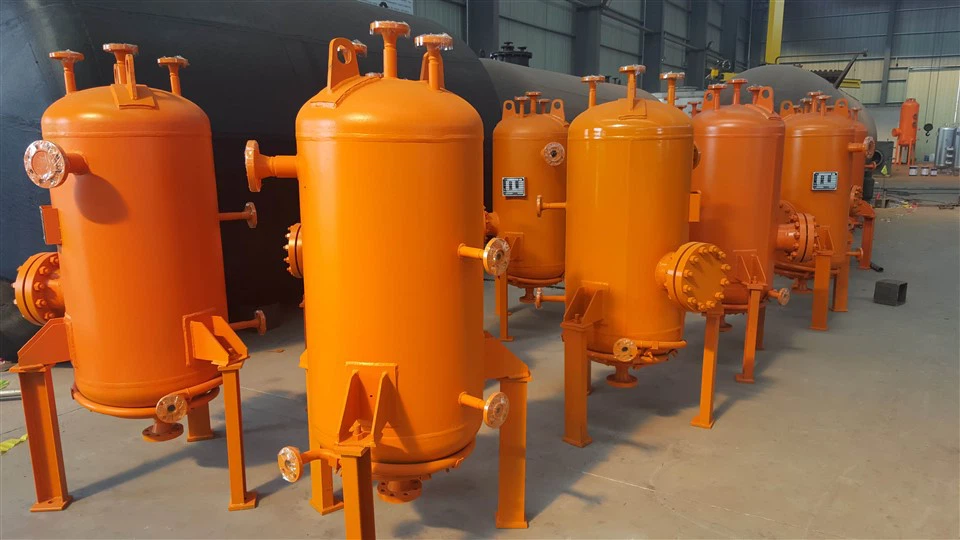

Tank Design and Size
The design and size of the tank also impact sound - insulation needs. Larger tanks tend to generate more noise due to the larger volume of chemicals and the greater surface area. Tanks with complex designs, such as those with multiple compartments or internal structures, can also create more noise as the chemicals move around.
Sound - Insulation Solutions
Now that we understand the factors affecting sound - insulation requirements, let's look at some solutions.
Insulation Materials
One of the most common ways to insulate a chemical storage tank is by using specialized insulation materials. These materials can absorb and dampen the sound waves generated by the tank. Some popular insulation materials include fiberglass, mineral wool, and foam. Fiberglass is a cost - effective option that offers good sound - absorption properties. Mineral wool is known for its high - temperature resistance and excellent sound insulation. Foam insulation can be sprayed onto the tank, providing a seamless and effective barrier against noise.
Enclosures
Another option is to build an enclosure around the chemical storage tank. The enclosure can be made of materials like steel or concrete and is designed to block the sound from escaping. Enclosures can be customized to fit the specific size and shape of the tank. They can also be equipped with ventilation systems to ensure proper air circulation and prevent the build - up of dangerous gases.
Vibration Isolation
Vibrations from the tank can contribute to the overall noise level. To reduce this, vibration isolation techniques can be used. This involves using rubber mounts or springs to separate the tank from its foundation. By isolating the tank from the ground, the vibrations are absorbed, and the noise is reduced.
Meeting Regulatory Requirements
As a chemical storage tank supplier, I know how important it is to meet regulatory requirements. Different regions have different noise limits and standards for chemical storage facilities. It's our responsibility to ensure that the tanks we supply are compliant with these regulations.
We work closely with our clients to understand the local regulations and design the tanks accordingly. We also provide documentation and testing reports to prove that the tanks meet the required sound - insulation standards. This not only helps our clients avoid legal issues but also gives them peace of mind knowing that their storage facilities are safe and compliant.
The Benefits of Proper Sound Insulation
Proper sound insulation for chemical storage tanks offers several benefits.
Safety
As mentioned earlier, excessive noise can be a sign of a problem within the tank. By insulating the tank, we can reduce the noise level and make it easier to detect any abnormal sounds that might indicate a leak or malfunction. This helps in preventing accidents and ensuring the safety of the workers and the surrounding environment.
Environmental Impact
Reducing the noise pollution from chemical storage tanks is good for the environment. It helps in protecting wildlife and minimizing the disturbance to nearby communities. By being environmentally responsible, we can enhance our reputation as a chemical storage tank supplier.
Cost Savings
Investing in proper sound insulation can lead to long - term cost savings. By preventing noise - related legal issues and reducing the risk of tank failures, we can save our clients money in the long run. Additionally, some insulation materials can also help in reducing energy consumption by providing thermal insulation, which can further lower operating costs.
Contact Us for Your Chemical Storage Tank Needs
If you're in the market for a chemical storage tank and are concerned about sound - insulation requirements, we're here to help. Our team of experts can design and supply tanks that meet your specific needs and regulatory requirements. Whether you need a Propane Tank, a Liquid Storage Tank, or a Liquid Ammonia Storage Tank, we've got you covered.
Don't hesitate to reach out to us to discuss your requirements and get a quote. We're committed to providing high - quality, sound - insulated chemical storage tanks that meet your expectations.
References
- ASTM International. (20XX). Standards related to chemical storage tank construction and safety.
- Local environmental and safety regulations for chemical storage facilities.
- Industry research on sound - insulation materials and their effectiveness for chemical storage tanks.