

What are the requirements for the pipeline connection of a liquid ammonia storage tank?
Jul 29, 2026
As a supplier of Liquid Ammonia Storage Tanks, I understand the critical importance of proper pipeline connection for these storage systems. Liquid ammonia is a hazardous substance, and any improper connection can lead to serious safety risks, including leaks, explosions, and environmental pollution. In this blog, I will discuss the key requirements for the pipeline connection of a liquid ammonia storage tank.
Material Selection
The first and foremost requirement for pipeline connection is the selection of appropriate materials. Liquid ammonia is highly corrosive, especially in the presence of moisture. Therefore, the pipes and fittings used in the connection must be made of materials that are resistant to ammonia corrosion. Stainless steel, such as 304 or 316 stainless steel, is commonly used for ammonia pipelines due to its excellent corrosion resistance. Carbon steel can also be used, but it requires proper coating or lining to prevent corrosion.
In addition to corrosion resistance, the materials must also be able to withstand the pressure and temperature conditions of the liquid ammonia system. The pipes and fittings should be rated for the maximum operating pressure and temperature of the storage tank. For example, if the liquid ammonia storage tank operates at a high pressure, the pipes and fittings must be designed to handle that pressure without failure.
Pipeline Design
The design of the pipeline system is crucial for ensuring the safe and efficient operation of the liquid ammonia storage tank. The pipeline should be designed to minimize the risk of leaks and pressure drops. Here are some key design considerations:
- Pipe Size: The pipe size should be selected based on the flow rate and pressure requirements of the system. A larger pipe size can reduce the pressure drop and improve the flow efficiency, but it also increases the cost. Therefore, a balance needs to be struck between the pipe size and the cost.
- Pipe Routing: The pipeline should be routed in a way that minimizes the number of bends and elbows. Bends and elbows can cause pressure drops and increase the risk of corrosion. The pipeline should also be installed at a proper slope to ensure proper drainage of any condensate or impurities.
- Valve Placement: Valves should be strategically placed along the pipeline to control the flow of liquid ammonia. There should be isolation valves near the storage tank and at key points in the pipeline to allow for maintenance and emergency shut-off.
Connection Methods
There are several connection methods available for liquid ammonia pipelines, and the choice of method depends on the specific requirements of the system. Some common connection methods include:
- Welding: Welding is a reliable and permanent connection method for ammonia pipelines. It provides a strong and leak-proof joint. However, welding requires skilled welders and proper welding procedures to ensure the quality of the joint.
- Flange Connections: Flange connections are commonly used for easy installation and maintenance. They allow for quick disconnection and reconnection of the pipeline. Flanges should be properly tightened to prevent leaks. Gaskets made of materials compatible with ammonia, such as PTFE or rubber, should be used between the flanges.
- Threaded Connections: Threaded connections are suitable for small-diameter pipes. They are relatively easy to install, but they may require proper sealing to prevent leaks. Thread sealants or tapes can be used to ensure a tight seal.
Safety Measures
Safety is of utmost importance when it comes to the pipeline connection of a liquid ammonia storage tank. Here are some safety measures that should be implemented:
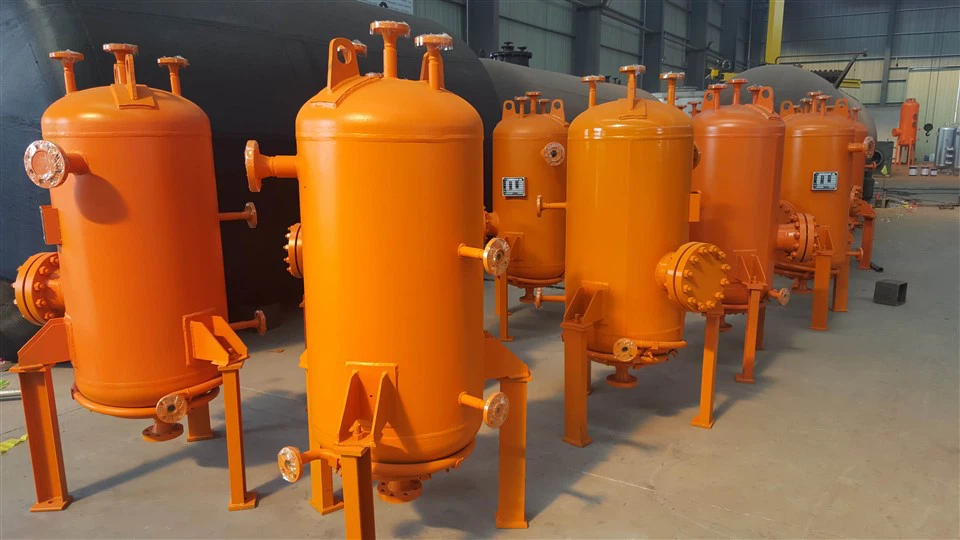

- Leak Detection: A reliable leak detection system should be installed along the pipeline to detect any ammonia leaks. This can include gas detectors, pressure sensors, and visual inspection points.
- Pressure Relief Devices: Pressure relief devices, such as safety valves, should be installed to prevent overpressure in the pipeline. These devices will automatically open when the pressure exceeds a certain limit, releasing the excess pressure and preventing damage to the pipeline and storage tank.
- Emergency Shut-Off Valves: Emergency shut-off valves should be installed at key points in the pipeline to allow for quick isolation of the storage tank in case of an emergency. These valves should be easily accessible and operable.
Inspection and Maintenance
Regular inspection and maintenance of the pipeline system are essential to ensure its safe and reliable operation. Here are some inspection and maintenance tasks that should be carried out:
- Visual Inspection: Regular visual inspections should be conducted to check for any signs of corrosion, leaks, or damage to the pipeline and fittings. Any issues should be addressed immediately.
- Pressure Testing: Periodic pressure testing should be performed to ensure the integrity of the pipeline. This can help detect any potential leaks or weaknesses in the system.
- Valve Maintenance: Valves should be regularly maintained to ensure proper operation. This includes lubrication, inspection of seals, and testing of the valve's functionality.
Conclusion
Proper pipeline connection is crucial for the safe and efficient operation of a liquid ammonia storage tank. By selecting the appropriate materials, designing the pipeline system correctly, using the right connection methods, implementing safety measures, and conducting regular inspection and maintenance, the risk of leaks and other safety hazards can be minimized.
If you are in the market for a Liquid Ammonia Storage Tank, we are here to provide you with high-quality products and professional advice. We also offer other types of storage tanks, such as Liquid Chlorine Storage Tank and Propane Tank. Please feel free to contact us for more information and to discuss your specific requirements. We look forward to working with you.
References
- "Ammonia Storage and Handling Guidelines," American Chemistry Council.
- "ASME Boiler and Pressure Vessel Code," American Society of Mechanical Engineers.
- "API Standard 620," American Petroleum Institute.