

How to handle spills from a liquid storage tank?
Jul 28, 2026
Handling spills from a liquid storage tank is a critical aspect of maintaining safety and environmental compliance. As a supplier of liquid storage tanks, I've seen firsthand the importance of having a solid plan in place for dealing with these potentially hazardous situations. In this blog, I'll share some practical tips on how to handle spills effectively.

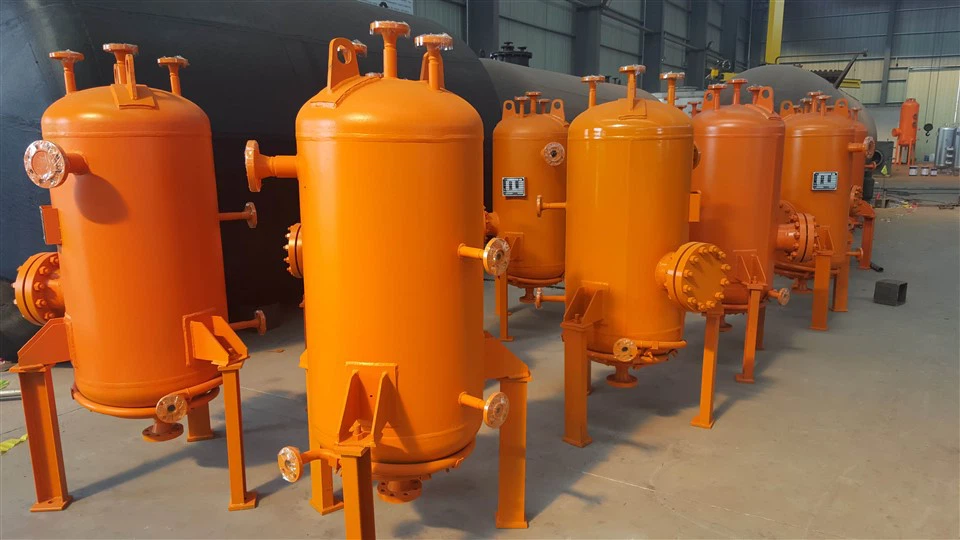
First off, it's essential to understand the types of liquid storage tanks out there and the substances they hold. We offer a variety of tanks, like the Propane Tank, Nitrogen Storage Tank, and Deoxygenation Tower Reflux Tank. Each of these tanks stores different liquids, and the way you handle a spill can vary depending on the substance.
Prevention is Key
Before we dive into spill response, let's talk about prevention. Regular inspections of your liquid storage tanks are crucial. Check for signs of wear and tear, such as cracks, leaks, or corrosion. Make sure all the valves, fittings, and seals are in good working condition. If you notice any issues, address them immediately. It's way easier and cheaper to fix a small problem than to deal with a major spill.
Another important preventive measure is to have proper storage and handling procedures in place. Train your employees on how to operate the tanks safely. This includes things like proper filling and emptying procedures, as well as how to handle any equipment associated with the tanks. Also, make sure your storage area is well-ventilated and free from any potential sources of ignition.
Spill Response Plan
Even with the best prevention measures, spills can still happen. That's why it's important to have a spill response plan in place. Your plan should include the following steps:
- Containment: As soon as you notice a spill, the first thing you need to do is contain it. This can be done using spill containment barriers, such as booms or absorbent materials. The goal is to prevent the spill from spreading and causing further damage.
- Notification: Once the spill is contained, you need to notify the appropriate authorities. This may include your local environmental agency, fire department, or other emergency responders. They can provide additional support and guidance on how to handle the spill.
- Cleanup: After the spill has been contained and the authorities have been notified, it's time to start the cleanup process. This involves using absorbent materials to soak up the spilled liquid. Make sure to follow the proper safety procedures when handling the absorbent materials, as they may be contaminated with the spilled substance.
- Disposal: Once the cleanup is complete, you need to properly dispose of the contaminated absorbent materials and any remaining spilled liquid. This should be done in accordance with local regulations.
Safety Precautions
When dealing with spills, safety should always be your top priority. Here are some safety precautions to keep in mind:
- Wear appropriate personal protective equipment (PPE): This may include gloves, goggles, respirators, and protective clothing. Make sure you are properly trained on how to use the PPE.
- Avoid direct contact with the spilled substance: Some substances can be hazardous if they come into contact with your skin or eyes. If you do come into contact with the spilled substance, immediately wash the affected area with plenty of water and seek medical attention if necessary.
- Use proper ventilation: If the spill involves a volatile substance, make sure the area is well-ventilated to prevent the buildup of toxic fumes.
- Follow all safety procedures and regulations: Make sure you are familiar with the safety procedures and regulations for handling spills in your area. This includes things like proper storage and disposal of hazardous materials.
Training and Education
One of the most important aspects of handling spills is training and education. Make sure your employees are properly trained on how to prevent and respond to spills. This includes training on how to use the spill response equipment, as well as how to follow the spill response plan. You should also provide regular refresher training to ensure that your employees are up-to-date on the latest safety procedures and regulations.
Conclusion
Handling spills from a liquid storage tank is a serious matter that requires careful planning and preparation. By following the tips outlined in this blog, you can minimize the risk of spills and ensure that you are prepared to handle them effectively if they do occur. Remember, prevention is key, so make sure you have a solid prevention plan in place. And if a spill does happen, make sure you have a spill response plan and the necessary equipment to contain and clean up the spill.
If you're in the market for a liquid storage tank, we're here to help. We offer a wide range of high-quality tanks that are designed to meet your specific needs. Whether you need a Propane Tank, Nitrogen Storage Tank, or Deoxygenation Tower Reflux Tank, we've got you covered. Contact us today to learn more about our products and how we can help you with your storage needs.
References
- OSHA (Occupational Safety and Health Administration). Guidelines for Hazardous Chemical Spill Response.
- EPA (Environmental Protection Agency). Spill Prevention, Control, and Countermeasure (SPCC) Rule.