

What are the effects of hot weather on a propane tank?
Nov 25, 2025
As a supplier of Propane Tanks, I've witnessed firsthand the impact that hot weather can have on these essential storage units. Propane is a widely used fuel for heating, cooking, and powering various appliances, and its storage in tanks is a common practice. However, the summer heat brings with it a set of challenges and considerations for propane tank owners and users. In this blog post, I'll delve into the effects of hot weather on a propane tank, offering insights and advice based on my industry experience.
Pressure Buildup
One of the most significant effects of hot weather on a propane tank is the increase in internal pressure. Propane is stored in a liquid state under pressure within the tank. As the temperature rises, the propane molecules gain energy and move more vigorously, causing the pressure inside the tank to increase. This is a basic principle of thermodynamics - as the temperature of a gas (or in this case, a liquefied gas) increases, so does its pressure, assuming the volume remains constant.
Most propane tanks are designed to withstand a certain range of pressure. They are equipped with a pressure relief valve, which is a safety feature that opens when the pressure inside the tank exceeds a pre - set limit. When the relief valve opens, it releases some of the propane gas into the atmosphere to prevent the tank from over - pressurizing. While this is a crucial safety mechanism, it can also lead to a loss of propane.
For example, on a sweltering summer day with temperatures soaring above 90°F (32°C), the pressure inside a propane tank can rise significantly. If the tank is already close to its maximum pressure rating, the relief valve may open, resulting in a small but noticeable loss of propane. This not only means a waste of fuel but also poses a potential safety hazard if the released propane accumulates in an enclosed or poorly ventilated area.
Expansion of Propane
In addition to pressure buildup, hot weather causes the propane inside the tank to expand. Propane, like most substances, expands when heated. The volume of propane in the tank increases as the temperature rises. This expansion can be a concern, especially if the tank is filled to a high level.
Propane tanks are typically filled to about 80% of their capacity. This extra 20% of space, known as the vapor space, is crucial because it allows for the expansion of propane without over - filling the tank. If a tank is filled too close to its maximum capacity and then subjected to high temperatures, the expanding propane may leave little room for the vapor space. This can lead to an increased risk of the tank over - pressurizing and the relief valve opening.
As a supplier, I always emphasize the importance of proper filling levels to my customers. I recommend that they avoid over - filling their propane tanks, especially during the hot summer months. By leaving enough vapor space, they can accommodate the expansion of propane and reduce the risk of safety issues.

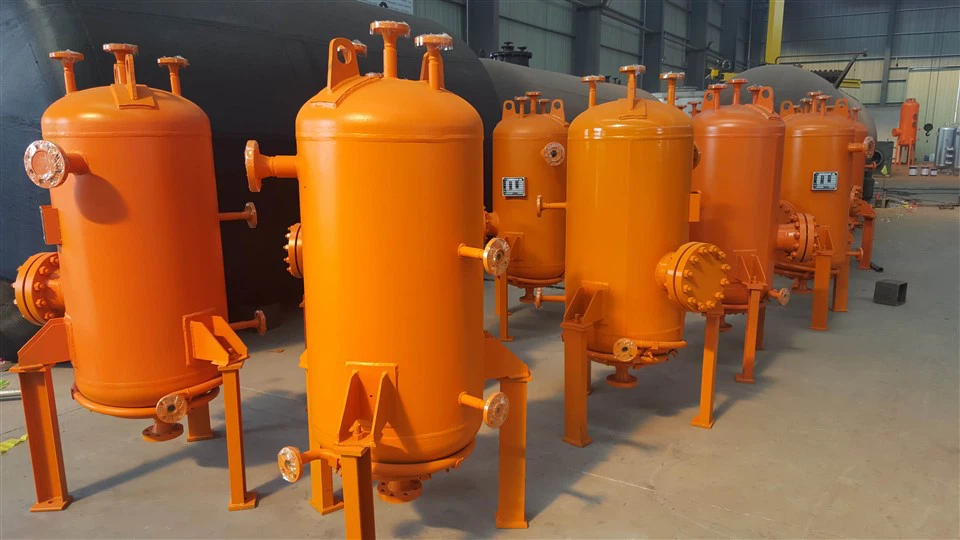
Material Degradation
Hot weather can also have an impact on the materials of the propane tank itself. Most propane tanks are made of steel, which can be affected by high temperatures and humidity. Prolonged exposure to heat can cause the paint or coating on the tank to deteriorate. This not only affects the appearance of the tank but also exposes the underlying steel to the elements.
Once the steel is exposed, it becomes more susceptible to rust and corrosion. Rust weakens the structure of the tank, reducing its overall integrity and potentially leading to leaks. In a hot and humid environment, the rate of corrosion can be accelerated. For instance, in coastal areas where the air is salty and humid, the combination of high temperatures and saltwater can cause rapid corrosion of the propane tank.
To mitigate this issue, I often advise my customers to regularly inspect their propane tanks for signs of paint damage or rust. If they notice any problems, they should have the tank repainted or treated to prevent further corrosion. Additionally, storing the tank in a shaded area can help reduce the direct exposure to sunlight and heat, thus prolonging the life of the tank.
Impact on Tank Fittings and Valves
The fittings and valves on a propane tank are also affected by hot weather. These components are made of various materials, such as brass and rubber, which can be sensitive to temperature changes.
The rubber seals on the valves and fittings can become brittle or expand in hot weather. A brittle seal may crack, leading to a leak of propane gas. On the other hand, an expanded seal may not fit properly, also resulting in a potential leak. The brass fittings can also expand and contract with temperature changes, which may cause them to loosen over time.
Regular maintenance of the tank fittings and valves is essential. Customers should check for any signs of leaks, such as a hissing sound or the smell of propane (propane has an added odorant to make it detectable). If they suspect a leak, they should immediately turn off the valve and contact a professional for repair.
Safety Precautions and Considerations
As a propane tank supplier, I always stress the importance of safety when dealing with propane tanks in hot weather. Here are some key safety precautions that I recommend to my customers:
- Proper Storage: Store the propane tank in a cool, shaded area away from direct sunlight and sources of heat. This can significantly reduce the temperature of the tank and minimize the risk of pressure buildup and expansion.
- Regular Inspections: Conduct regular visual inspections of the tank, looking for signs of rust, damage to the paint, or leaks around the fittings and valves.
- Avoid Over - filling: Ensure that the tank is filled to no more than 80% of its capacity to allow for expansion.
- Ventilation: Make sure that the area where the propane tank is stored is well - ventilated. This helps to disperse any propane gas that may be released from the tank.
Conclusion
Hot weather can have several significant effects on a propane tank, including pressure buildup, expansion of propane, material degradation, and impact on fittings and valves. As a propane tank supplier, I understand the importance of educating my customers about these issues and providing them with the necessary information to ensure the safe and efficient use of their propane tanks.
If you are in the market for a reliable Propane Tank, we have a wide range of high - quality tanks to meet your needs. We also offer Liquid Chlorine Storage Tank and Liquid Ammonia Storage Tank for various industrial applications.
If you have any questions or are interested in purchasing a propane tank or other storage solutions, feel free to reach out to us. Our team of experts is ready to assist you with all your propane tank needs and provide you with the best advice on storage and safety.
References
- National Fire Protection Association (NFPA). NFPA 58: Liquefied Petroleum Gas Code.
- American Society of Mechanical Engineers (ASME). Boiler and Pressure Vessel Code.
- Propane Education & Research Council (PERC). Propane Safety and Best Practices.