

How to choose the right stainless steel water tank?
Nov 26, 2025
When it comes to ensuring a reliable and long - lasting water storage solution, choosing the right stainless steel water tank is of paramount importance. As a trusted stainless steel water tank supplier, I've witnessed firsthand the diverse needs of customers and the challenges they face in making the right choice. In this blog, I'll share some key factors to consider when selecting a stainless steel water tank.
1. Capacity Requirements
The first step in choosing a stainless steel water tank is to determine your capacity needs. This depends on various factors such as the number of users, daily water consumption, and the purpose of water storage. For residential use, a smaller capacity tank might suffice for a single - family home, while larger commercial or industrial applications will require much larger tanks.
If you're using the tank for agricultural purposes, you'll need to calculate the water requirements for irrigation, livestock, etc. On the other hand, in a commercial building, you have to account for the water needs of employees, customers, and any processes that involve water. As a supplier, I can help you accurately assess your capacity requirements and recommend the appropriate size of the Stainless Steel Water Tank.
2. Tank Design: Horizontal vs. Vertical
Stainless steel water tanks come in two main designs: horizontal and vertical. Each design has its own advantages and is suitable for different scenarios.
Horizontal Stainless Steel Storage Tanks
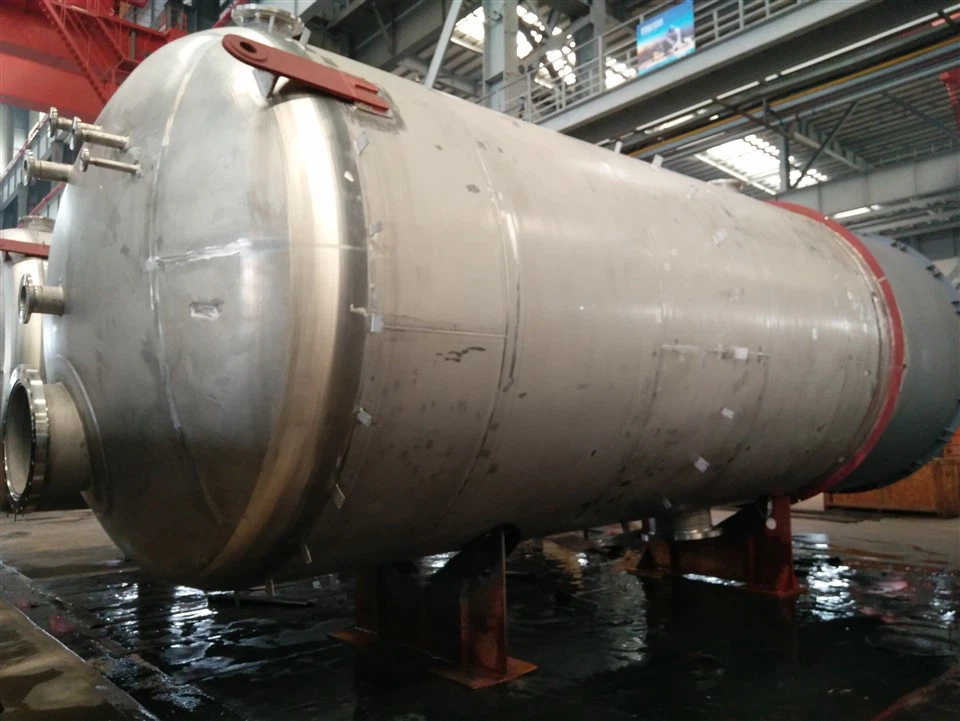
Horizontal Stainless Steel Storage Tank are ideal when you have limited vertical space but more horizontal area available. They are often used in applications where the tank needs to be installed underground or in low - ceilinged areas. These tanks are also easier to transport and install in tight spaces. The horizontal design allows for better stability, especially when the tank is placed on a flat surface.
Vertical Stainless Steel Storage Tanks
Vertical Stainless Steel Storage Tank are a great choice when you have ample vertical space. They take up less floor area, which is beneficial in areas where space is at a premium. Vertical tanks are commonly used in residential and commercial buildings, as they can be placed against a wall or in a corner. The vertical design also allows for easier access to the water outlet, as gravity helps in the water flow.
3. Material Quality
The quality of the stainless steel used in the tank is crucial for its durability and performance. Stainless steel is available in different grades, and the most common grades used for water tanks are 304 and 316.
Grade 304 Stainless Steel
Grade 304 stainless steel is a popular choice for water tanks due to its good corrosion resistance and relatively low cost. It contains 18% chromium and 8% nickel, which provides a protective layer against rust and corrosion. This grade is suitable for most general - purpose water storage applications, including residential and commercial use.
Grade 316 Stainless Steel
Grade 316 stainless steel is more corrosion - resistant than grade 304, especially in harsh environments. It contains molybdenum, which enhances its resistance to pitting and crevice corrosion. This grade is recommended for applications where the water may contain high levels of chloride, such as in coastal areas or industrial settings.
As a supplier, I ensure that all our tanks are made from high - quality stainless steel, and I can help you choose the right grade based on your specific requirements.
4. Weld Quality
The quality of the welds in the tank is another important factor to consider. Poorly welded tanks can lead to leaks and structural failures over time. A good weld should be strong, uniform, and free from defects.
At our company, we use advanced welding techniques and highly skilled welders to ensure the highest quality of welds. Our welds are inspected thoroughly to meet the strictest industry standards, giving you peace of mind that your tank will be leak - free and durable.

5. Fittings and Accessories
The fittings and accessories of a stainless steel water tank play a vital role in its functionality. These include inlet and outlet pipes, valves, manholes, and level indicators.
Make sure that the fittings are made from high - quality materials that are compatible with the stainless steel tank. For example, the valves should be corrosion - resistant and easy to operate. A manhole should be large enough for easy access during maintenance and cleaning. Level indicators are also important, as they allow you to monitor the water level in the tank.
As a supplier, I can provide you with a range of high - quality fittings and accessories, and I can help you choose the ones that are best suited for your tank.
6. Installation and Maintenance
Proper installation and maintenance are essential for the long - term performance of your stainless steel water tank. When installing the tank, make sure that the foundation is level and stable. The tank should be installed in a location that is easily accessible for maintenance and inspection.
Regular maintenance includes cleaning the tank, checking the fittings for leaks, and inspecting the welds for any signs of damage. I can provide you with detailed installation and maintenance instructions, and I also offer installation services to ensure that your tank is installed correctly.
7. Regulatory Compliance
Ensure that the stainless steel water tank you choose complies with all relevant local and national regulations. These regulations may cover aspects such as water quality, safety, and environmental protection.
As a responsible supplier, I ensure that all our tanks meet or exceed the regulatory requirements. This means that you can be confident that your tank is safe and legal to use.
8. Cost
Cost is always a consideration when choosing a stainless steel water tank. However, it's important not to compromise on quality for the sake of a lower price. A high - quality tank may cost more upfront but will save you money in the long run by reducing the need for repairs and replacements.
When comparing prices, make sure to consider all the factors mentioned above, such as capacity, material quality, and fittings. I can provide you with a detailed quote based on your specific requirements, and I'll work with you to find a solution that fits your budget.
Conclusion
Choosing the right stainless steel water tank is a decision that requires careful consideration of various factors. By taking into account capacity requirements, tank design, material quality, weld quality, fittings and accessories, installation and maintenance, regulatory compliance, and cost, you can make an informed choice.
As a trusted stainless steel water tank supplier, I'm here to help you every step of the way. Whether you need a small residential tank or a large commercial tank, I can provide you with high - quality products and excellent customer service. If you're interested in purchasing a stainless steel water tank, I invite you to contact me for a consultation. Let's work together to find the perfect water storage solution for your needs.
References
- ASME Boiler and Pressure Vessel Code
- ASTM International Standards for Stainless Steel
- Local Building Codes and Regulations