

How to adjust the pressure inside a liquid storage tank?
Aug 16, 2026
Hey there! I'm a supplier of Liquid Storage Tanks, and I know firsthand how crucial it is to maintain the right pressure inside these tanks. Whether you're storing liquid ammonia, propane, or other substances, getting the pressure right is key to ensuring safety and efficiency. In this blog post, I'll share some tips on how to adjust the pressure inside a liquid storage tank.
Understanding the Basics of Pressure in Liquid Storage Tanks
Before we dive into the adjustment methods, let's quickly go over the basics. The pressure inside a liquid storage tank can be affected by several factors, such as temperature, the type of liquid being stored, and the volume of the tank. When the temperature rises, the liquid expands, which can increase the pressure inside the tank. On the other hand, if the temperature drops, the liquid contracts, and the pressure decreases.
Why Pressure Adjustment is Important
Maintaining the correct pressure is essential for several reasons. First of all, it ensures the safety of the tank and the surrounding environment. If the pressure gets too high, it can lead to leaks, ruptures, or even explosions. On the flip side, if the pressure is too low, it can cause the tank to collapse. Additionally, proper pressure adjustment helps to preserve the quality of the stored liquid and ensures the smooth operation of any connected equipment.
Methods for Adjusting Pressure
1. Using a Pressure Relief Valve
One of the most common ways to adjust the pressure inside a liquid storage tank is by using a pressure relief valve. This valve is designed to open when the pressure inside the tank reaches a certain level, allowing excess pressure to escape. It acts as a safety mechanism, preventing the tank from over-pressurizing.
When installing a pressure relief valve, make sure to choose one that is suitable for the specific type of liquid and the operating conditions of the tank. You'll also need to set the valve to the correct pressure rating. This can usually be done by adjusting a spring or a screw on the valve.
2. Temperature Control
As I mentioned earlier, temperature can have a significant impact on the pressure inside a tank. By controlling the temperature, you can effectively manage the pressure. For example, if you're storing a liquid that expands when heated, you can use a cooling system to keep the temperature down and prevent the pressure from rising too high.

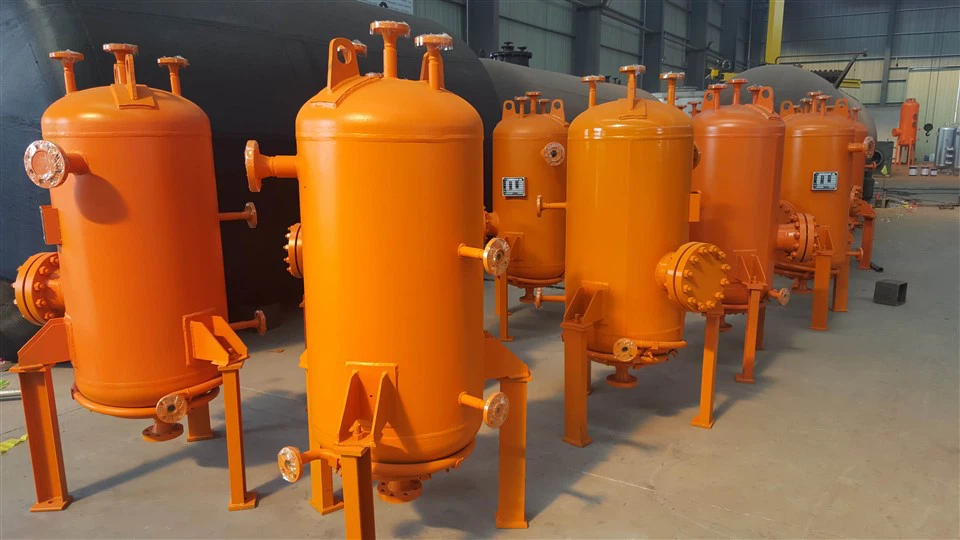
On the other hand, if the temperature drops and the pressure decreases, you might need to use a heating system to warm up the liquid and increase the pressure. This is especially important in cold climates or during the winter months.
3. Adding or Removing Liquid
Another way to adjust the pressure is by adding or removing liquid from the tank. If the pressure is too high, you can remove some of the liquid to reduce the volume and lower the pressure. Conversely, if the pressure is too low, you can add more liquid to increase the volume and raise the pressure.
However, this method should be used with caution, as adding or removing too much liquid can have other implications, such as affecting the chemical composition of the stored liquid or causing overflow.
4. Using a Pressure Regulator
A pressure regulator is a device that can be used to control the pressure of the liquid flowing in and out of the tank. It works by reducing the pressure to a set level, ensuring that the pressure inside the tank remains stable.
When choosing a pressure regulator, make sure to select one that is compatible with the type of liquid and the flow rate of your system. You'll also need to adjust the regulator to the desired pressure setting.
Special Considerations for Different Types of Liquid Storage Tanks
Liquid Ammonia Storage Tank
Liquid ammonia is a hazardous substance that requires special handling and pressure management. It has a relatively low boiling point, which means it can easily vaporize and increase the pressure inside the tank. To prevent this, it's important to keep the tank at a low temperature and use a pressure relief valve with a high-pressure rating.
Propane Tank
Propane is a flammable gas that is commonly stored in liquid form. The pressure inside a propane tank can be affected by temperature changes, so it's important to monitor the temperature and adjust the pressure accordingly. Propane tanks also require a pressure relief valve to prevent over-pressurization.
Regular Maintenance and Monitoring
In addition to the above methods, regular maintenance and monitoring are essential for ensuring the proper pressure inside a liquid storage tank. You should inspect the tank and its components regularly for any signs of damage or wear. Check the pressure relief valve, pressure regulator, and other safety devices to make sure they are working properly.
It's also a good idea to install a pressure gauge on the tank so that you can monitor the pressure in real-time. This will allow you to detect any changes in pressure and take appropriate action before it becomes a problem.
Conclusion
Adjusting the pressure inside a liquid storage tank is a critical task that requires careful attention and the right techniques. By using methods such as pressure relief valves, temperature control, adding or removing liquid, and pressure regulators, you can ensure the safety and efficiency of your tank. Remember to consider the specific requirements of the type of liquid you're storing and to perform regular maintenance and monitoring.
If you're in the market for a Liquid Storage Tank, or if you have any questions about pressure adjustment or tank maintenance, feel free to reach out. I'm here to help you find the best solution for your needs. Let's start a conversation and see how we can work together to keep your liquid storage operations running smoothly.
References
- Chemical Engineering Handbook
- Safety Guidelines for Liquid Storage Tanks