Working principle of mobile gas stations
Jun 14, 2025
With the diversification of global energy demand, mobile gas stations have become an important supplement in the field of energy supply due to their flexibility and convenience. This mobile refueling equipment is widely used in remote areas, temporary construction sites and emergency energy supply scenarios. Understanding its working principle will help to better apply this technology.
The core functions of mobile gas stations are similar to those of traditional fixed gas stations, namely storage, delivery and refueling of fuel. Its working principle is mainly divided into three key links: fuel storage, pressure delivery and precise refueling.
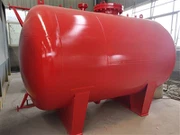
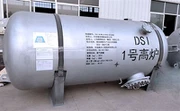
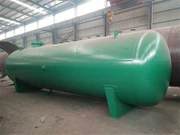
First, the fuel storage system usually uses a tank made of high-strength composite materials or stainless steel, and the capacity can be flexibly adjusted according to demand. The tank is equipped with multiple safety devices, including explosion-proof, anti-leakage and temperature monitoring systems to ensure the safety of fuel during transportation and storage.
Secondly, the pressure delivery system transfers fuel from the tank to the filling gun through an electric or pneumatic pump. This process relies on precise pressure control technology to ensure that the fuel is delivered at a stable flow rate while avoiding bubbles or pressure fluctuations that affect the refueling efficiency. Some high-end mobile gas stations are also equipped with flow meters and automatic cut-off devices, which can automatically stop the supply of fuel after filling is completed to prevent overflow.
Finally, the precise filling process is achieved through the filling gun. The filling gun has a built-in sensor that can monitor the tank level in real time and automatically close the oil circuit when the preset value is reached. This design not only improves the filling efficiency, but also reduces the risk of fuel waste and environmental pollution.
In addition, mobile gas stations are usually equipped with intelligent management systems that support remote monitoring and data recording. Users can view information such as oil volume and transaction records in real time through mobile devices to further improve operational efficiency.
With the continuous advancement of technology, the energy adaptability of mobile gas stations is also expanding, and some equipment already supports multiple fuel types, including diesel, gasoline and even biofuels. In the future, this technology will play a more important role in the global energy supply chain.