

Which industries commonly use industrial vacuum equipment?
Aug 27, 2025
Hey there! As an industrial vacuum equipment supplier, I've had the privilege of seeing firsthand how these nifty machines play a crucial role in various industries. So, I thought I'd share with you some of the industries that commonly use industrial vacuum equipment.
Manufacturing Industry
The manufacturing sector is one of the biggest users of industrial vacuum equipment. In metalworking, for example, vacuum furnaces are used for processes like annealing, brazing, and sintering. These furnaces create a controlled environment by removing air and other gases, which helps in achieving high - quality results. Take The ZR Series Vacuum Furnace for instance. It's designed to provide precise temperature control and a clean vacuum environment, making it ideal for manufacturing high - performance metal components.
In the plastics industry, vacuum pumps are used to remove air bubbles from plastic molds during the injection molding process. This ensures that the final plastic products are free of defects and have a smooth finish. Vacuum systems are also used in the production of composite materials, where they help in resin infusion by creating a pressure differential that draws the resin into the fiber reinforcement.
Chemical and Pharmaceutical Industries
In the chemical industry, industrial vacuum equipment is used for distillation, drying, and solvent recovery processes. Vacuum distillation allows for the separation of different chemical components at lower temperatures, which is particularly useful for heat - sensitive substances. By reducing the pressure, the boiling points of the chemicals are lowered, minimizing the risk of thermal degradation.

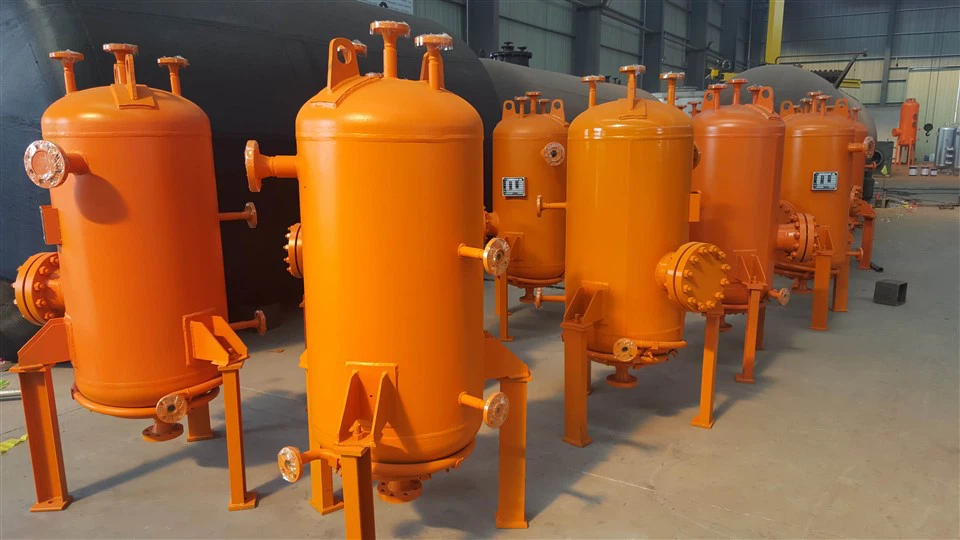
Pharmaceutical companies also rely heavily on vacuum technology. During the manufacturing of drugs, vacuum drying is used to remove solvents from active pharmaceutical ingredients (APIs) and finished products. This is crucial for ensuring the stability and purity of the drugs. Vacuum systems are also used in pharmaceutical packaging to create a vacuum - sealed environment, which helps in preserving the quality of the medications and extending their shelf life.
Food and Beverage Industry
The food and beverage industry makes extensive use of industrial vacuum equipment. In food processing, vacuum packaging is a common practice. It helps in preserving the freshness and flavor of food products by removing oxygen from the packaging. This slows down the growth of aerobic bacteria and mold, extending the shelf life of the food. Vacuum tumbling is another application, where meat and poultry are placed in a vacuum chamber and tumbled to enhance marination and tenderization.
In the beverage industry, vacuum systems are used in the bottling process. They help in removing air from the bottles before filling, which prevents oxidation and maintains the carbonation in carbonated beverages. Vacuum evaporators are also used for concentrating fruit juices and other liquid food products by removing water under reduced pressure.
Mining and Construction Industries
In the mining industry, industrial vacuum equipment is used for dust collection and material handling. Vacuum systems are installed in mines to capture dust particles generated during drilling, blasting, and ore processing. This helps in maintaining a safe and healthy working environment by reducing the risk of respiratory diseases among miners.
Construction sites also benefit from vacuum technology. Vacuum excavators are used to safely dig around underground utilities without the risk of damaging them. These machines use a high - powered vacuum to suck up soil and debris, allowing for precise excavation. Vacuum trucks are also used for cleaning up construction sites, removing waste materials such as concrete dust, gravel, and sludge.
Oil and Gas Industry
The oil and gas industry has a wide range of applications for industrial vacuum equipment. In oil refineries, vacuum distillation units are used to separate heavy hydrocarbons from crude oil. By operating at low pressures, these units can distill the heavier fractions of the crude oil without causing thermal cracking.
Vacuum systems are also used in the storage and transportation of oil and gas. Propane Tank storage facilities may use vacuum pumps to maintain the proper pressure and prevent leaks. Additionally, vacuum - based technologies are used in the cleaning and maintenance of oil and gas pipelines, helping to remove debris and contaminants.
Automotive Industry
In the automotive industry, industrial vacuum equipment is used in several processes. During the manufacturing of automotive parts, vacuum casting is used to produce high - precision components. This process involves creating a vacuum - assisted mold filling, which results in parts with excellent dimensional accuracy and surface finish.
Vacuum systems are also used in automotive painting booths. They help in removing overspray and paint fumes, creating a clean and safe working environment. Additionally, vacuum technology is used in the automotive glass manufacturing process to ensure a tight seal between the glass and the vehicle frame.
Aerospace Industry
The aerospace industry demands the highest level of precision and quality, and industrial vacuum equipment plays a vital role in meeting these requirements. Vacuum furnaces are used for heat - treating aerospace components made of high - strength alloys. These components include turbine blades, landing gear parts, and structural components. The controlled vacuum environment in the furnaces ensures that the heat - treatment process is uniform and free of oxidation, resulting in components with superior mechanical properties.
Vacuum systems are also used in the production of aerospace composites. They are essential for the resin transfer molding (RTM) process, where they help in creating a vacuum - assisted resin infusion that ensures the proper impregnation of the fiber reinforcement with the resin.
Electronics Industry
The electronics industry relies on industrial vacuum equipment for semiconductor manufacturing. Vacuum environments are crucial for processes such as physical vapor deposition (PVD) and chemical vapor deposition (CVD), where thin films of metals and other materials are deposited onto semiconductor wafers. The absence of air and other contaminants in the vacuum chamber ensures the high - quality and reliability of the deposited films.
Vacuum technology is also used in the assembly of electronic devices. Vacuum pick - and - place machines are used to handle small electronic components such as chips and resistors. These machines use vacuum suction to pick up the components and place them accurately on printed circuit boards (PCBs).
Environmental and Waste Management Industries
Industrial vacuum equipment is an important tool in environmental and waste management. Vacuum trucks are used for collecting and transporting liquid and solid waste, such as sewage, sludge, and hazardous waste. They are also used for cleaning up oil spills and other environmental disasters.
In wastewater treatment plants, vacuum systems are used for sludge dewatering. By creating a vacuum on the filter cloth, water is drawn out of the sludge, reducing its volume and making it easier to handle and dispose of. Vacuum systems are also used in air pollution control, where they help in capturing and removing particulate matter and harmful gases from industrial exhaust streams.
Conclusion
As you can see, industrial vacuum equipment has a wide range of applications across various industries. Whether it's for improving product quality, enhancing safety, or increasing efficiency, these machines are an essential part of modern industrial processes.
If you're in any of these industries and looking for reliable industrial vacuum equipment, I'd love to help. Our company offers a wide range of high - quality vacuum products and solutions tailored to your specific needs. Whether you're a small - scale business or a large corporation, we have the expertise and resources to provide you with the right equipment and support. So, don't hesitate to reach out to us for a consultation and let's discuss how we can meet your industrial vacuum requirements.
References
- Perry, R. H., & Green, D. W. (Eds.). (2008). Perry's Chemical Engineers' Handbook. McGraw - Hill.
- McCarthy, B. J. (2013). Industrial Vacuum Technology: Fundamentals and Applications. Wiley - VCH.
- ASM Handbook Committee. (2004). ASM Handbook Volume 4: Heat Treating. ASM International.