

What are the fire - prevention measures for a liquid ammonia storage tank?
Nov 03, 2025
Hey there! As a supplier of Liquid Ammonia Storage Tanks, I've seen firsthand how crucial it is to have proper fire - prevention measures in place. Liquid ammonia is a commonly used chemical in various industries, but it comes with its own set of risks, especially when it comes to fire hazards. In this blog, I'm gonna share some important fire - prevention measures for liquid ammonia storage tanks.
Understanding the Risks
First things first, we need to understand why liquid ammonia storage tanks are at risk of fire. Liquid ammonia is a flammable gas under certain conditions. When it's in a confined space and mixed with air in the right proportions (the flammable range is about 15% - 28% by volume in air), it can form an explosive mixture. Also, if there's a leak and the ammonia comes into contact with an ignition source, like an open flame, electrical spark, or hot surface, a fire or explosion can occur.
Location and Installation
The location of the liquid ammonia storage tank is super important. It should be placed in an area that's well - ventilated. This helps to disperse any leaked ammonia gas quickly, reducing the risk of it building up to explosive levels. The tank should be installed away from sources of ignition, such as furnaces, boilers, or electrical equipment that could produce sparks.
It's also essential to install the tank on a stable foundation. A wobbly or unstable tank can increase the risk of leaks due to stress on the tank walls and connections. Make sure the installation is done according to all relevant safety standards and regulations. For more information on other types of storage tanks, you can check out our Deoxygenation Tower Reflux Tank and Propane Tank pages.
Leak Detection Systems
Having a reliable leak detection system is a must. There are different types of leak detection methods available. One common method is using gas detectors. These detectors can sense the presence of ammonia gas in the air. When the gas concentration reaches a certain level, an alarm will go off, alerting the operators.
Another way is to use visual inspection. Regularly check the tank, valves, and pipes for any signs of leaks, like frost formation (ammonia cools the surrounding area when it leaks), or a strong smell of ammonia. If you notice any issues, take immediate action to fix them.
Fire Suppression Systems
In case a fire does break out, having a proper fire suppression system is crucial. For liquid ammonia fires, dry chemical extinguishers or carbon dioxide extinguishers are often recommended. These types of extinguishers can quickly put out the fire and prevent it from spreading.
It's also a good idea to have a water spray system around the tank. Water can help to cool the tank and dilute the ammonia gas in case of a leak or fire. However, be careful when using water, as it can react with ammonia to form a corrosive solution.
Electrical Safety
Electrical equipment around the liquid ammonia storage tank needs to be properly designed and installed. All electrical devices should be explosion - proof. This means they're designed to prevent sparks or arcs from escaping and igniting the ammonia gas.
Regularly inspect the electrical wiring and connections to make sure there are no loose or damaged parts. Faulty electrical equipment can be a major source of ignition, so it's important to keep it in good working condition.
Employee Training
Your employees are your first line of defense when it comes to fire prevention. Make sure they're well - trained on how to handle liquid ammonia storage tanks safely. They should know how to operate the equipment, detect leaks, and respond in case of a fire or emergency.
Training should include safety procedures, the use of personal protective equipment (PPE), and emergency evacuation plans. Regular refresher courses should be provided to keep the employees' knowledge up - to - date.
Maintenance and Inspection
Regular maintenance and inspection of the liquid ammonia storage tank are essential. This includes checking the tank's integrity, testing the valves and pipes, and ensuring the proper functioning of the leak detection and fire suppression systems.
Inspect the tank for signs of corrosion, which can weaken the tank walls and increase the risk of leaks. Replace any worn - out or damaged parts immediately. By keeping the tank in good condition, you can significantly reduce the risk of fire and other safety hazards.
Emergency Response Plan
Even with all the preventive measures in place, it's still important to have an emergency response plan. This plan should outline the steps to take in case of a fire, leak, or other emergencies. It should include procedures for evacuating the area, notifying the relevant authorities, and containing the incident.
Practice the emergency response plan regularly through drills. This helps to ensure that everyone knows what to do in a real - life situation and can respond quickly and effectively.
Conclusion
In conclusion, fire prevention for liquid ammonia storage tanks is a multi - faceted process. It involves proper location and installation, leak detection, fire suppression, electrical safety, employee training, maintenance, and an emergency response plan. By implementing these measures, you can significantly reduce the risk of fire and ensure the safety of your facility and employees.

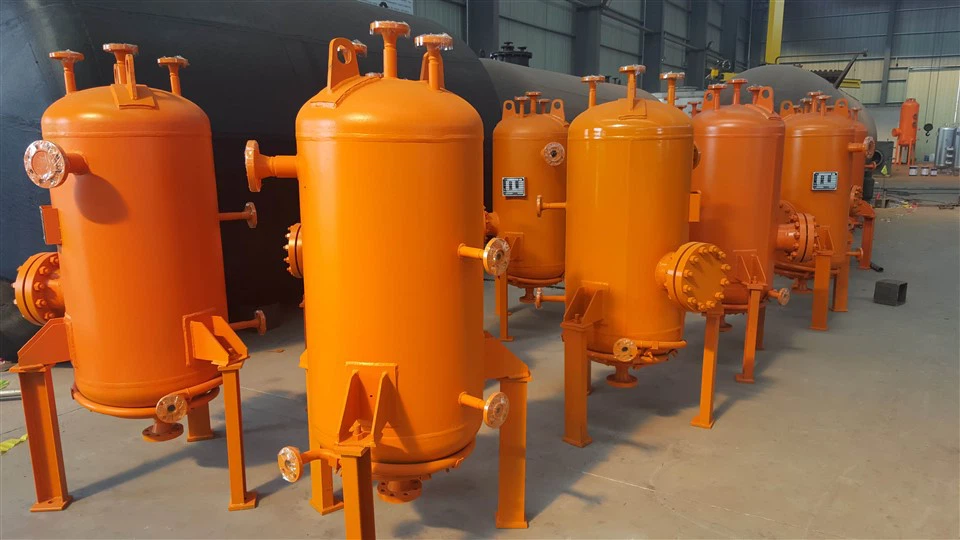
If you're in the market for a high - quality Liquid Ammonia Storage Tank, we're here to help. Our tanks are designed and built to the highest safety standards, and we can provide you with all the necessary information and support to ensure proper installation and operation. Don't hesitate to contact us for more details and to start a procurement discussion.
References
- National Fire Protection Association (NFPA) standards on chemical storage.
- Occupational Safety and Health Administration (OSHA) guidelines for handling hazardous chemicals.