

What are the effects of nitrogen leakage from a storage tank?
Aug 07, 2026
Nitrogen is an essential gas used in various industries, from food packaging to chemical processing. As a leading supplier of Nitrogen Storage Tanks, we understand the critical role these tanks play in safely storing and handling nitrogen. However, nitrogen leakage from storage tanks can have far - reaching effects, both on the environment and human health. In this blog, we will explore the various impacts of nitrogen leakage from a storage tank.
Environmental Effects
Air Pollution
Nitrogen is a major component of the Earth's atmosphere, but when it leaks from storage tanks, it can disrupt the natural balance. Although nitrogen itself is not a pollutant in the traditional sense, its leakage can lead to the formation of other harmful compounds. For example, when nitrogen reacts with oxygen in the presence of high - energy sources such as lightning or industrial processes, it can form nitrogen oxides (NOx). These nitrogen oxides are major air pollutants that contribute to the formation of smog, acid rain, and ground - level ozone.
Smog is a visible form of air pollution that can reduce visibility and cause respiratory problems in humans. Acid rain, on the other hand, can damage forests, lakes, and buildings. Ground - level ozone, which is formed when nitrogen oxides react with volatile organic compounds (VOCs) in the presence of sunlight, is a powerful irritant that can cause breathing difficulties, especially for people with asthma or other respiratory conditions.
Impact on Ecosystems
Nitrogen leakage can also have a significant impact on ecosystems. Excessive nitrogen deposition from leaked nitrogen can lead to eutrophication in water bodies. When nitrogen enters rivers, lakes, or oceans, it can stimulate the growth of algae. This rapid growth of algae, known as an algal bloom, can deplete oxygen in the water, leading to the death of fish and other aquatic organisms.
In terrestrial ecosystems, increased nitrogen levels can change the composition of plant communities. Some plants are more adapted to high - nitrogen environments, and these species may outcompete others, leading to a loss of biodiversity. This can disrupt the delicate balance of ecosystems and have long - term consequences for the health of the environment.
Health Effects
Asphyxiation
One of the most immediate and dangerous effects of nitrogen leakage is asphyxiation. Nitrogen is an inert gas, which means it does not support combustion or respiration. When nitrogen leaks into an enclosed space, it can displace oxygen, reducing the oxygen concentration to a level that is insufficient to support human life.
Even a small increase in nitrogen concentration can cause symptoms such as dizziness, nausea, and shortness of breath. In severe cases, it can lead to unconsciousness and death. Workers in industries that use nitrogen storage tanks are at particular risk of asphyxiation if proper safety measures are not in place.
Frostbite
Nitrogen is often stored in liquid form at extremely low temperatures. If there is a leakage of liquid nitrogen, it can come into contact with human skin, causing frostbite. Frostbite occurs when the skin and underlying tissues freeze due to exposure to cold temperatures. Symptoms of frostbite include numbness, pain, and discoloration of the skin. In severe cases, it can lead to tissue damage and even amputation.
Economic Effects
Loss of Product
Nitrogen is a valuable commodity, and any leakage from storage tanks represents a loss of product. This can have a significant impact on the bottom line of businesses that rely on nitrogen for their operations. For example, in the food industry, nitrogen is used to preserve the freshness of food products. A leakage of nitrogen from storage tanks can result in spoilage of food, leading to financial losses for food manufacturers and retailers.
Equipment Damage
Nitrogen leakage can also cause damage to equipment. The low - temperature nature of liquid nitrogen can cause materials to become brittle and crack. This can lead to leaks in pipes, valves, and other components of the storage and handling system. Repairing or replacing damaged equipment can be costly and can disrupt business operations.
Safety and Regulatory Implications
Safety Risks
As mentioned earlier, nitrogen leakage poses significant safety risks to workers and the public. To mitigate these risks, it is essential to have proper safety measures in place. This includes regular inspections of storage tanks, installation of leak detection systems, and training of employees on the safe handling of nitrogen.
Regulatory Compliance
There are strict regulations in place regarding the storage and handling of nitrogen. These regulations are designed to protect the environment and human health. Failure to comply with these regulations can result in fines and legal consequences for businesses. As a Nitrogen Storage Tank supplier, we ensure that our tanks meet all relevant safety and regulatory standards.
Preventing Nitrogen Leakage
Regular Maintenance
Regular maintenance of nitrogen storage tanks is crucial to prevent leakage. This includes checking for signs of corrosion, damage to seals and gaskets, and proper functioning of valves and other components. By conducting regular maintenance, potential problems can be identified and addressed before they lead to a leakage.
Leak Detection Systems
Installing leak detection systems can help to quickly identify and respond to nitrogen leakage. These systems can detect even small leaks and alert operators so that appropriate action can be taken. There are various types of leak detection systems available, including gas sensors and acoustic sensors.
Employee Training
Proper training of employees is essential to ensure the safe handling of nitrogen. Employees should be trained on the properties of nitrogen, the potential hazards associated with its leakage, and the proper procedures for responding to a leak. This includes knowing how to use personal protective equipment (PPE) such as respirators and gloves.
Conclusion
Nitrogen leakage from storage tanks can have a wide range of effects, including environmental, health, economic, and safety implications. As a Nitrogen Storage Tank supplier, we are committed to providing high - quality tanks that are designed to prevent leakage and ensure the safe storage and handling of nitrogen.
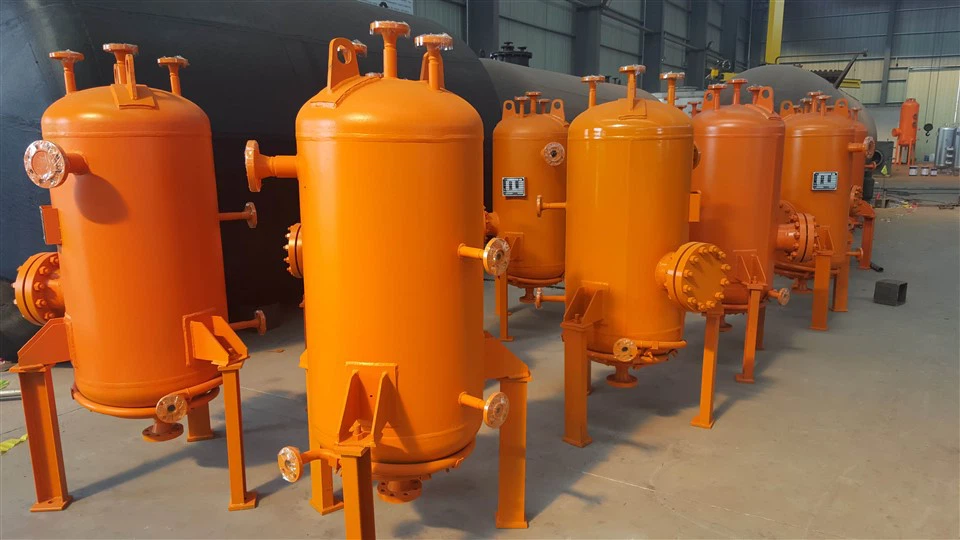

If you are in the market for a nitrogen storage tank or other chemical storage solutions such as Liquid Ammonia Storage Tank or Propane Tank, we invite you to contact us to discuss your specific requirements. Our team of experts is ready to provide you with the best solutions for your needs.
References
- American Petroleum Institute. (2019). API Standard 620: Design and Construction of Large, Welded, Low - Pressure Storage Tanks.
- Occupational Safety and Health Administration. (2020). Safety and Health Topics: Cryogenic Liquids.
- United States Environmental Protection Agency. (2021). Nitrogen Oxides Pollution.