

What are the anti - abrasion requirements for chemical storage tank linings?
Jul 26, 2026
Hey there! As a supplier of chemical storage tanks, I've been getting a lot of questions lately about the anti - abrasion requirements for chemical storage tank linings. So, I thought I'd take some time to break it all down for you.
First off, let's talk about why anti - abrasion is such a big deal for these tank linings. Chemical storage tanks are used to hold all sorts of substances, from corrosive acids to flammable liquids. The lining of the tank acts as a barrier between the tank material and the chemicals inside. If the lining gets abraded, it can lead to leaks, contamination, and even safety hazards.
One of the main factors that determine the anti - abrasion requirements is the type of chemical being stored. For example, if you're storing a liquid with high - velocity flow or one that contains solid particles, the lining will face more abrasion. Take Liquid Ammonia Storage Tank for instance. Ammonia can be quite corrosive, and if there are any abrasive elements in the storage process, the lining needs to be tough enough to withstand it.
The operating conditions also play a huge role. Tanks that are subject to high - pressure or temperature fluctuations need linings that can handle the stress. A Propane Tank is often under pressure, and the lining has to be able to resist abrasion caused by the movement of propane and any potential contaminants.
Now, let's look at the different types of materials that are commonly used for anti - abrasion linings. Epoxy coatings are a popular choice. They are known for their excellent adhesion and resistance to abrasion. Epoxy can form a hard, durable layer that protects the tank from the chemicals and any abrasive forces. Another option is rubber linings. Rubber is flexible and can absorb shock, which is great for reducing abrasion. It can also withstand a wide range of temperatures and chemicals.
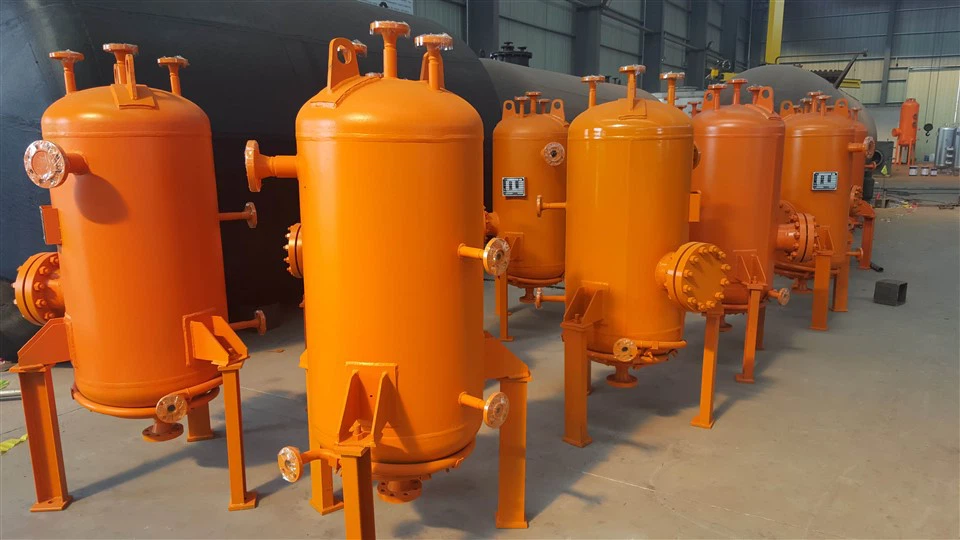

When it comes to the thickness of the lining, it's not a one - size - fits - all situation. Thicker linings generally offer better anti - abrasion protection, but they can also be more expensive. The decision on the thickness depends on the specific requirements of the tank. For a Liquid Storage Tank that stores a relatively non - abrasive liquid, a thinner lining might be sufficient. But for a tank that stores a highly abrasive chemical, a thicker lining is a must.
The installation process of the lining is also crucial for ensuring anti - abrasion performance. A proper installation means that the lining is evenly applied and adheres well to the tank surface. Any gaps or unevenness can lead to weak points where abrasion can occur more easily.
Maintenance is another key aspect. Regular inspections of the lining can help detect any signs of abrasion early on. If abrasion is detected, repairs can be made to prevent further damage. This might involve patching up small areas or even replacing the entire lining if it's severely worn.
So, how do you know if your chemical storage tank lining meets the anti - abrasion requirements? Well, there are industry standards and guidelines that can be used as a reference. These standards take into account factors like the type of chemical, operating conditions, and expected service life of the tank.
In addition to following the standards, it's also a good idea to work with a reputable supplier. As a chemical storage tank supplier, I can tell you that we have a lot of experience in this field. We can help you choose the right lining material, determine the appropriate thickness, and ensure a proper installation.
If you're in the market for a chemical storage tank or need to upgrade your existing tank's lining, don't hesitate to reach out. We're here to help you make the best decision for your specific needs. Whether you're storing ammonia, propane, or any other chemical, we can provide you with a solution that meets the anti - abrasion requirements.
In conclusion, anti - abrasion requirements for chemical storage tank linings are complex and depend on many factors. But with the right knowledge and the right supplier, you can ensure that your tank is well - protected and operates safely. So, if you have any questions or are ready to start a project, just get in touch. We're looking forward to working with you!
References:
- Industry standards for chemical storage tank linings
- Research on anti - abrasion materials for tank linings