

How to prevent contamination in chemical storage tanks?
Sep 05, 2026
Preventing contamination in chemical storage tanks is crucial for maintaining the quality of stored chemicals, ensuring safety, and complying with environmental regulations. As a chemical storage tank supplier, I've seen firsthand the problems that can occur when contamination isn't properly managed. In this blog post, I'll share some practical tips on how to prevent contamination in chemical storage tanks.
1. Choose the Right Tank Material
The first step in preventing contamination is to select the appropriate tank material for the chemicals you're storing. Different chemicals react differently with various materials. For example, some chemicals are highly corrosive and can eat through certain metals or plastics.
If you're storing acidic chemicals, a tank made of corrosion - resistant materials like fiberglass or polyethylene might be a good choice. On the other hand, for non - corrosive chemicals, steel tanks can be used, but they may need a protective coating to prevent rust.
We offer a wide range of chemical storage tanks, including Deoxygenation Tower Reflux Tank, Propane Tank, Liquid Chlorine Storage Tank, Nitrogen Storage Tank, and Liquid Ammonia Storage Tank, each made from materials suitable for the specific chemicals they're designed to hold.
2. Proper Installation
Correct installation of the storage tank is essential. The tank should be installed on a stable and level foundation to prevent stress on the tank walls, which could lead to cracks or leaks.
During installation, make sure all connections, such as pipes, valves, and fittings, are tight and properly sealed. Any loose connections can allow air, water, or other contaminants to enter the tank. For instance, a small leak in a valve can let in moisture, which may react with some chemicals and cause contamination.
3. Regular Inspections
Regular inspections are a must. You should check the tank for signs of damage, wear, and tear on a routine basis. Look for cracks, dents, or corrosion on the tank walls. Also, inspect the valves, fittings, and seals for leaks or malfunction.
Inspect the tanks at least once a month, but for high - risk chemicals, more frequent inspections may be necessary. Keep a detailed record of all inspections, including the date, findings, and any actions taken. This record can be useful for compliance purposes and for identifying trends in tank performance.
4. Cleanliness is Key
Maintaining a clean storage environment is vital. The area around the tank should be free of debris, dirt, and other potential contaminants. Spills should be cleaned up immediately to prevent them from seeping into the tank or contaminating the surrounding area.
Before filling a new tank or refilling an existing one, it should be thoroughly cleaned. Use a cleaning solution that is compatible with the chemical to be stored. For example, if you're storing a water - soluble chemical, a simple water rinse may be sufficient, but for more stubborn residues, a specialized cleaning agent may be required.
5. Segregation of Chemicals
Don't store incompatible chemicals in the same tank or in close proximity. Some chemicals can react violently with each other if they come into contact, leading to contamination, explosions, or the release of toxic gases.
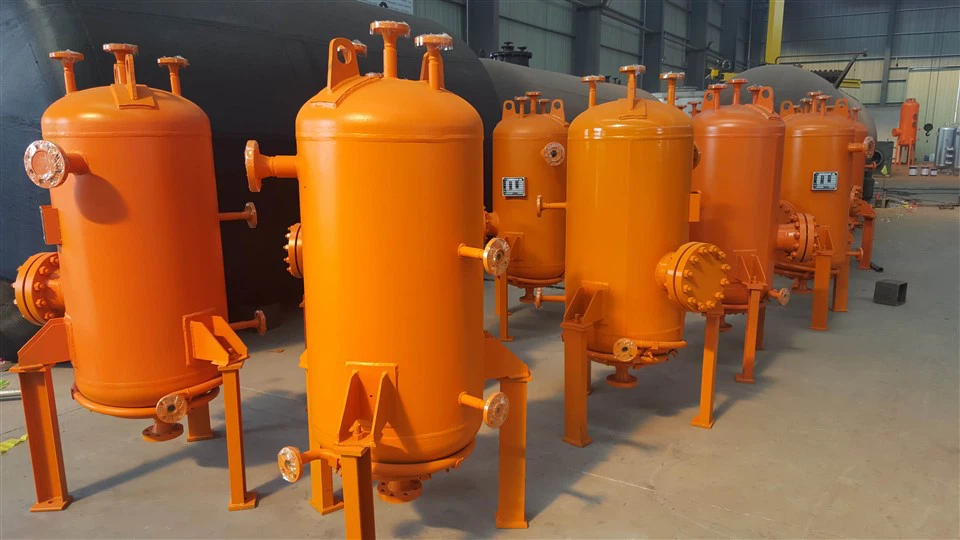

For example, acids and bases should be stored separately. Create a clear segregation plan and label all tanks and storage areas to avoid accidental mixing. This not only prevents contamination but also enhances safety in the storage facility.
6. Control of Air and Moisture
Air and moisture can be major sources of contamination in chemical storage tanks. Oxygen in the air can react with some chemicals, causing oxidation and degradation. Moisture can also lead to corrosion and the growth of microorganisms.
One way to control air and moisture is to use an inert gas blanket, such as nitrogen, to displace the air inside the tank. This reduces the oxygen content and helps prevent oxidation. Additionally, install moisture traps or desiccants in the tank's ventilation system to remove moisture from the incoming air.
7. Employee Training
Your employees play a crucial role in preventing contamination. They should be properly trained on how to handle chemicals, operate the storage tanks, and follow safety procedures.
Train them on the importance of preventing contamination, how to recognize signs of potential problems, and what to do in case of an emergency. Regular refresher courses can help keep their knowledge up - to - date.
8. Use of Quality Accessories
Invest in high - quality accessories for your chemical storage tanks. This includes valves, pumps, and gauges. Low - quality accessories are more likely to malfunction, leading to leaks and contamination.
For example, a good quality valve will have a tight seal and be resistant to corrosion. Make sure the accessories are compatible with the chemicals being stored and are properly maintained.
9. Monitoring and Testing
Implement a monitoring and testing program for the stored chemicals. Regularly test the chemical's quality to detect any signs of contamination early. This can include testing for pH, purity, and the presence of impurities.
Use sensors and monitoring devices to keep track of parameters such as temperature, pressure, and level inside the tank. Unusual changes in these parameters can indicate a problem, such as a leak or a chemical reaction.
10. Emergency Preparedness
Even with all the preventive measures in place, emergencies can still happen. Have an emergency response plan in place to deal with spills, leaks, or other incidents that could lead to contamination.
The plan should include procedures for containing the spill, notifying the appropriate authorities, and cleaning up the affected area. Train your employees on the emergency response plan and conduct regular drills to ensure they are prepared.
In conclusion, preventing contamination in chemical storage tanks requires a comprehensive approach that includes proper tank selection, installation, maintenance, and employee training. As a chemical storage tank supplier, we're here to help you choose the right tank for your needs and provide support and advice on how to keep your chemicals safe and contamination - free. If you're looking for high - quality chemical storage tanks or need more information on preventing contamination, feel free to get in touch for a purchase discussion.
References
- Chemical Storage Guidelines Handbook
- Industry Best Practices for Chemical Storage and Contamination Prevention