

How to prevent algae growth in a stainless steel water tank?
Oct 20, 2025
Hey there! As a supplier of Stainless Steel Water Tank, I've seen my fair share of issues when it comes to water tanks, and one of the most common problems is algae growth. Algae can not only make your water look unappealing but also affect its quality and safety. In this blog, I'm gonna share some tips on how to prevent algae growth in a stainless steel water tank.
Understanding Algae Growth
First things first, let's understand what causes algae to grow in the first place. Algae are simple plants that thrive in the presence of sunlight, water, and nutrients. In a water tank, these nutrients can come from various sources, such as dirt, dust, and organic matter that gets into the tank over time. Sunlight can penetrate through the tank if it's not properly shielded, providing the energy algae need to grow.
Choose the Right Tank
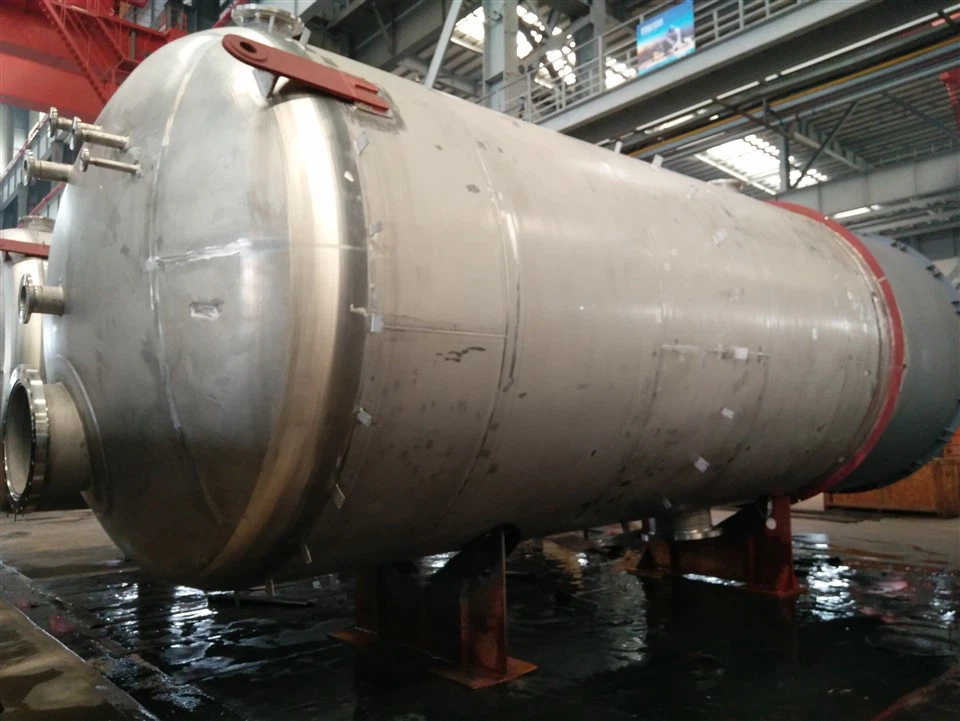
When it comes to preventing algae growth, the type of tank you choose matters. Stainless steel water tanks are a great option because they're durable, resistant to corrosion, and don't provide a good surface for algae to attach to. We offer both Horizontal Stainless Steel Storage Tank and Vertical Stainless Steel Storage Tank, which are designed to meet different storage needs.
Proper Installation
Proper installation is crucial for preventing algae growth. Make sure the tank is installed in a shaded area to minimize sunlight exposure. If that's not possible, you can use a tank cover or insulation to block the sunlight. Also, ensure that the tank is installed on a level surface to prevent water from pooling in one area, which can create a breeding ground for algae.
Regular Cleaning and Maintenance
Regular cleaning and maintenance are essential for keeping your water tank algae-free. Here are some steps you can take:
- Drain and Clean the Tank: Every few months, drain the tank completely and clean it with a mild detergent and water. Use a soft brush to scrub the inside of the tank, paying special attention to the corners and edges where algae can accumulate. Rinse the tank thoroughly to remove any soap residue.
- Inspect the Tank: Regularly inspect the tank for any signs of damage or leaks. If you notice any cracks or holes, repair them immediately to prevent water from seeping out and creating a moist environment for algae to grow.
- Replace the Water: Stagnant water is more likely to develop algae, so it's a good idea to replace the water in the tank regularly. Depending on your usage, you may need to replace the water every few weeks or months.
Use a Water Treatment System
A water treatment system can help prevent algae growth by removing nutrients and impurities from the water. There are several types of water treatment systems available, including:

- Filtration Systems: Filtration systems use a filter to remove dirt, dust, and other particles from the water. This can help reduce the amount of nutrients available for algae to grow.
- UV Sterilizers: UV sterilizers use ultraviolet light to kill algae and other microorganisms in the water. They're a popular choice for preventing algae growth in water tanks because they're effective and easy to use.
- Chemical Treatments: Chemical treatments, such as chlorine or hydrogen peroxide, can be used to kill algae and prevent its growth. However, it's important to use these chemicals carefully and follow the instructions on the label to avoid damaging the tank or affecting the water quality.
Keep the Area Around the Tank Clean
The area around the tank can also contribute to algae growth. Make sure to keep the area clean and free of debris, such as leaves and grass. Trim any overhanging branches or plants that could provide shade or drop organic matter into the tank.
Monitor the Water Quality
Regularly monitoring the water quality is important for detecting algae growth early. You can use a water testing kit to check the pH, chlorine levels, and other parameters of the water. If you notice any changes in the water quality, such as a change in color or odor, it could be a sign of algae growth.
Conclusion
Preventing algae growth in a stainless steel water tank requires a combination of proper installation, regular cleaning and maintenance, and the use of a water treatment system. By following these tips, you can keep your water tank algae-free and ensure that your water is clean and safe to use.
If you're interested in purchasing a stainless steel water tank or have any questions about preventing algae growth, feel free to contact us. We'd be happy to help you find the right tank for your needs and provide you with more information on how to keep it in good condition.
References
- "Algae Growth in Water Tanks: Causes and Prevention." Water Quality Association.
- "Stainless Steel Water Tanks: Benefits and Maintenance." National Sanitation Foundation.