

How to maintain the hygiene of a stainless steel water tank?
Oct 05, 2026
Maintaining the hygiene of a stainless steel water tank is crucial for ensuring the safety and quality of the stored water. As a trusted supplier of Stainless Steel Water Tank, we understand the importance of proper maintenance. In this blog, we will share some essential tips and best practices to help you keep your stainless steel water tank clean and hygienic.

Understanding the Basics of Stainless Steel Water Tanks
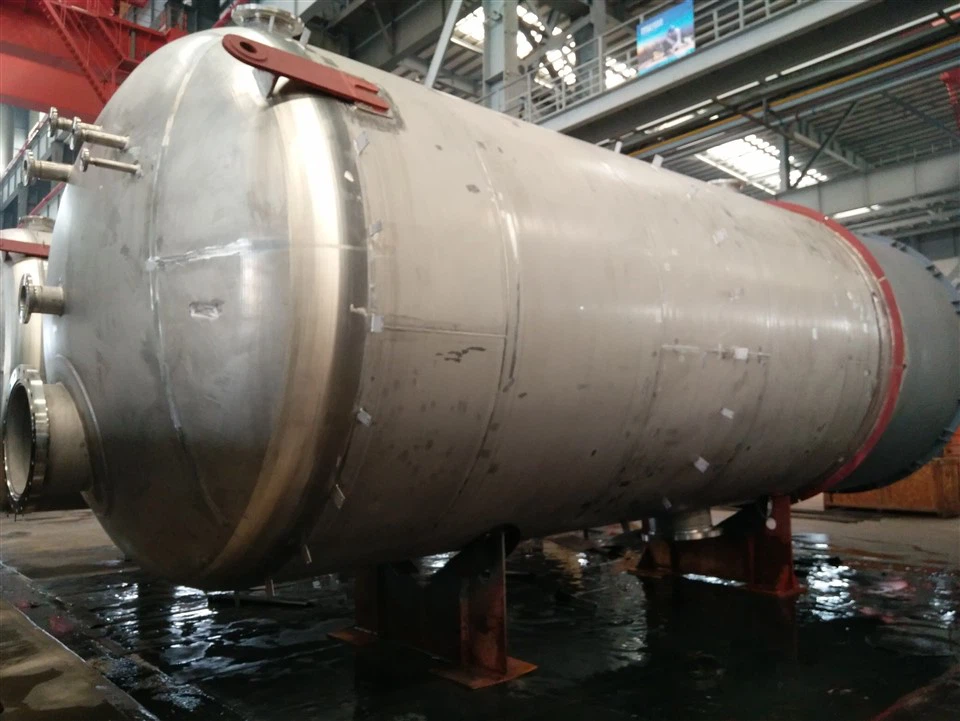
Stainless steel water tanks are popular due to their durability, corrosion resistance, and ability to maintain water quality. They come in various shapes and sizes, including Horizontal Stainless Steel Storage Tank and Vertical Stainless Steel Storage Tank. However, even with their robust construction, regular maintenance is necessary to prevent the growth of bacteria, algae, and other contaminants.
Regular Cleaning and Inspection
One of the most important steps in maintaining the hygiene of a stainless steel water tank is regular cleaning. It is recommended to clean the tank at least once a year, or more frequently if the water quality is poor or if there are signs of contamination. Here's a step-by-step guide on how to clean your water tank:
- Empty the Tank: Before cleaning, make sure to empty the tank completely. This can be done by draining the water through the outlet valve or using a pump.
- Scrub the Interior: Use a soft brush or sponge and a mild detergent to scrub the interior of the tank. Pay special attention to the corners, edges, and seams, as these areas are more likely to accumulate dirt and debris.
- Rinse Thoroughly: After scrubbing, rinse the tank thoroughly with clean water to remove any remaining detergent or debris. Make sure to rinse the tank multiple times to ensure that all traces of detergent are removed.
- Disinfect the Tank: To kill any remaining bacteria or contaminants, disinfect the tank using a suitable disinfectant. You can use a chlorine-based disinfectant or a commercial tank cleaner. Follow the instructions on the disinfectant label carefully and make sure to let the disinfectant sit in the tank for the recommended amount of time.
- Rinse Again: After disinfecting, rinse the tank thoroughly with clean water to remove any remaining disinfectant. Make sure to rinse the tank multiple times to ensure that all traces of disinfectant are removed.
- Inspect the Tank: Once the tank is clean and dry, inspect it for any signs of damage or corrosion. Look for cracks, leaks, or rust spots, and repair them immediately if necessary.
In addition to regular cleaning, it is also important to inspect the tank regularly for any signs of damage or contamination. Check the tank for leaks, cracks, or rust spots, and look for any signs of algae or bacteria growth. If you notice any problems, take immediate action to address them.
Water Quality Management
Another important aspect of maintaining the hygiene of a stainless steel water tank is water quality management. Here are some tips to help you ensure the quality of the water stored in your tank:
- Use a Water Filter: Install a water filter to remove any sediment, debris, or contaminants from the water before it enters the tank. This can help prevent the growth of bacteria and algae in the tank.
- Monitor the Water Quality: Regularly test the water quality in the tank to ensure that it meets the required standards. You can use a water testing kit or send a sample of the water to a laboratory for analysis.
- Avoid Overfilling the Tank: Overfilling the tank can cause water to spill over the edges, which can lead to contamination. Make sure to leave some space at the top of the tank to allow for expansion.
- Keep the Tank Covered: Cover the tank to prevent debris, insects, and other contaminants from entering the tank. This can also help prevent the growth of algae and bacteria in the tank.
- Use a Water Treatment System: Consider using a water treatment system to further improve the quality of the water stored in the tank. There are various types of water treatment systems available, including UV disinfection systems, reverse osmosis systems, and water softeners.
Preventing Contamination
Preventing contamination is another important aspect of maintaining the hygiene of a stainless steel water tank. Here are some tips to help you prevent contamination:
- Keep the Area Around the Tank Clean: Make sure to keep the area around the tank clean and free of debris, dirt, and other contaminants. This can help prevent the contamination of the tank.
- Avoid Using Harsh Chemicals: Avoid using harsh chemicals or abrasive cleaners to clean the tank, as these can damage the stainless steel and cause corrosion. Instead, use a mild detergent and a soft brush or sponge.
- Do Not Store Chemicals Near the Tank: Do not store chemicals, pesticides, or other hazardous materials near the tank, as these can contaminate the water.
- Regularly Check the Inlet and Outlet Pipes: Regularly check the inlet and outlet pipes for any signs of damage or leaks. Make sure to repair any leaks immediately to prevent the contamination of the tank.
- Use a Backflow Prevention Device: Install a backflow prevention device to prevent the backflow of contaminated water into the tank. This can help prevent the contamination of the tank.
Troubleshooting Common Problems
Even with proper maintenance, you may encounter some common problems with your stainless steel water tank. Here are some tips to help you troubleshoot these problems:
- Algae Growth: If you notice algae growth in the tank, you can use a algaecide to kill the algae. Make sure to follow the instructions on the algaecide label carefully and make sure to let the algaecide sit in the tank for the recommended amount of time.
- Bacteria Growth: If you notice bacteria growth in the tank, you can use a disinfectant to kill the bacteria. Make sure to follow the instructions on the disinfectant label carefully and make sure to let the disinfectant sit in the tank for the recommended amount of time.
- Corrosion: If you notice corrosion on the tank, you can use a rust remover to remove the rust. Make sure to follow the instructions on the rust remover label carefully and make sure to rinse the tank thoroughly with clean water after using the rust remover.
- Leaks: If you notice a leak in the tank, you can use a leak repair kit to repair the leak. Make sure to follow the instructions on the leak repair kit label carefully and make sure to test the tank for leaks after repairing the leak.
- Odor: If you notice an odor in the tank, you can use a deodorizer to remove the odor. Make sure to follow the instructions on the deodorizer label carefully and make sure to let the deodorizer sit in the tank for the recommended amount of time.
Conclusion
Maintaining the hygiene of a stainless steel water tank is essential for ensuring the safety and quality of the stored water. By following the tips and best practices outlined in this blog, you can keep your water tank clean and hygienic, and prevent the growth of bacteria, algae, and other contaminants. If you have any questions or need further assistance, please do not hesitate to contact us. We are a leading supplier of Stainless Steel Water Tank, and we are committed to providing our customers with high-quality products and excellent customer service. Whether you are looking for a Horizontal Stainless Steel Storage Tank or a Vertical Stainless Steel Storage Tank, we have the right solution for you. Contact us today to learn more about our products and services, and to discuss your specific needs.
References
- Stainless Steel Information Center. (n.d.). Stainless Steel and Water. Retrieved from [URL]
- World Health Organization. (2017). Guidelines for Drinking-water Quality, Fourth Edition. Geneva: World Health Organization.
- American Water Works Association. (2019). Water Quality and Treatment: A Handbook of Community Water Supplies, Sixth Edition. New York: McGraw-Hill.