

How to check the nitrogen level in a storage tank?
Nov 10, 2025
Hey there! As a supplier of Nitrogen Storage Tanks, I know how crucial it is to keep tabs on the nitrogen level in these tanks. Whether you're using nitrogen for industrial processes, food preservation, or any other application, maintaining the right nitrogen level is key to ensuring everything runs smoothly. In this blog post, I'll walk you through the different methods of checking the nitrogen level in a storage tank, so you can keep your operations running efficiently.
Why Checking Nitrogen Level is Important
Before we dive into the methods, let's quickly talk about why it's so important to check the nitrogen level in your storage tank. Nitrogen is an inert gas that's widely used in various industries because it helps prevent oxidation, corrosion, and the growth of microorganisms. If the nitrogen level in your tank drops too low, it can lead to a range of problems, such as product spoilage, equipment damage, and safety hazards. On the other hand, if the nitrogen level is too high, it can waste resources and increase costs. So, regularly checking the nitrogen level is essential for maintaining the quality and safety of your products and processes.
Methods of Checking Nitrogen Level
There are several methods you can use to check the nitrogen level in a storage tank. Each method has its own advantages and disadvantages, so it's important to choose the one that's best suited for your specific needs. Here are some of the most common methods:
1. Pressure Gauges
One of the simplest and most common ways to check the nitrogen level in a storage tank is by using a pressure gauge. Pressure gauges measure the pressure inside the tank, which is directly related to the amount of nitrogen present. As the nitrogen level decreases, the pressure inside the tank also decreases. By monitoring the pressure gauge, you can get a rough estimate of the nitrogen level in the tank.
However, it's important to note that pressure gauges only provide an indirect measurement of the nitrogen level. Other factors, such as temperature and the volume of the tank, can also affect the pressure inside the tank. So, while pressure gauges are a useful tool for monitoring the nitrogen level, they may not be as accurate as other methods.
2. Level Indicators
Another way to check the nitrogen level in a storage tank is by using a level indicator. Level indicators are devices that measure the height of the nitrogen liquid in the tank. There are several types of level indicators available, including float-type indicators, ultrasonic indicators, and capacitance indicators.
Float-type indicators work by using a float that rises and falls with the level of the nitrogen liquid in the tank. The position of the float is then indicated on a scale or a digital display. Ultrasonic indicators use ultrasonic waves to measure the distance between the sensor and the surface of the nitrogen liquid. Capacitance indicators work by measuring the capacitance between two electrodes, which changes as the level of the nitrogen liquid in the tank changes.

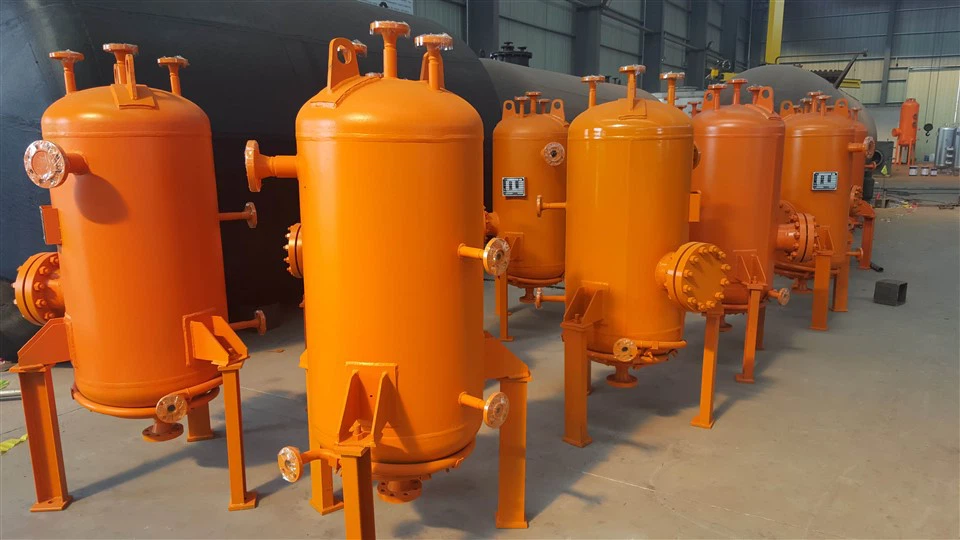
Level indicators provide a more direct measurement of the nitrogen level in the tank compared to pressure gauges. However, they can be more expensive and require more maintenance.
3. Gas Analyzers
Gas analyzers are devices that measure the concentration of nitrogen in the gas phase above the liquid in the tank. There are several types of gas analyzers available, including infrared analyzers, thermal conductivity analyzers, and electrochemical analyzers.
Infrared analyzers work by measuring the absorption of infrared light by nitrogen molecules. Thermal conductivity analyzers work by measuring the thermal conductivity of the gas mixture, which changes as the concentration of nitrogen changes. Electrochemical analyzers work by measuring the electrical current generated by a chemical reaction between nitrogen and an electrode.
Gas analyzers provide the most accurate measurement of the nitrogen level in the tank. However, they are also the most expensive and require the most maintenance.
Choosing the Right Method
When choosing a method for checking the nitrogen level in your storage tank, there are several factors you need to consider, including:
- Accuracy: How accurate do you need the measurement to be? If you need a high level of accuracy, you may want to consider using a gas analyzer.
- Cost: How much are you willing to spend on the measurement device? Pressure gauges are the cheapest option, while gas analyzers are the most expensive.
- Maintenance: How much maintenance are you willing to perform on the measurement device? Level indicators and gas analyzers require more maintenance than pressure gauges.
- Compatibility: Is the measurement device compatible with your storage tank and the type of nitrogen you're using? Make sure to choose a device that's designed for use with nitrogen and your specific tank.
Other Considerations
In addition to choosing the right method for checking the nitrogen level in your storage tank, there are several other considerations you need to keep in mind, including:
- Safety: Always follow the safety guidelines when working with nitrogen storage tanks. Nitrogen is an inert gas, but it can still be dangerous if not handled properly. Make sure to wear appropriate safety equipment, such as gloves and goggles, and follow the proper procedures for filling, emptying, and maintaining the tank.
- Calibration: Regularly calibrate your measurement devices to ensure accurate readings. Calibration ensures that the device is measuring the nitrogen level correctly and that the readings are consistent over time.
- Monitoring: Continuously monitor the nitrogen level in your storage tank to detect any changes or abnormalities. This will help you identify potential problems early and take corrective action before they become serious.
Conclusion
Checking the nitrogen level in a storage tank is an important part of maintaining the quality and safety of your products and processes. By choosing the right method for checking the nitrogen level and following the proper safety and maintenance procedures, you can ensure that your storage tank is operating efficiently and effectively.
If you're in the market for a Nitrogen Storage Tank or need help with checking the nitrogen level in your existing tank, don't hesitate to [contact us](INSERT CONTACT INFORMATION). We're a leading supplier of Nitrogen Storage Tanks and can provide you with the products and services you need to keep your operations running smoothly.