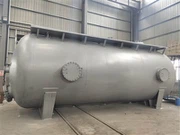
Can A Portable Gas Filling Station Operate in Harsh Environments?
Sep 01, 2026

1. Extreme Climate Conditions (Extreme Cold, Extreme Heat, High Altitude)
Extreme cold & heat: Standard units cannot withstand these conditions. Wide-temperature-range models are required - for example, units fitted with heat tracing systems to prevent diesel waxing in frigid conditions, or forced-air cooling systems to avoid LPG overpressurization in high heat. Electronic components and seals must also be made from specialty materials rated for extreme temperature ranges.
High altitude: Thin air reduces the power output of internal combustion engine-driven pump sets, and low atmospheric pressure alters the vaporization point of liquids. Equipment must undergo dedicated high-altitude operational calibration for reliable performance.
2. Adverse Geographic & Geological Environments (Deserts, Coastal Areas, Seismic Zones)
Dust & desert conditions: Fine sand particles cause abrasive wear to precision valves and pump bodies. Equipment must have a minimum IP66 dust-tight sealing rating, and air intakes must be fitted with high-efficiency filters to stop sand from entering combustion chambers or hydraulic systems.
Coastal salt spray: Salt spray corrosion is a major risk to metal storage tanks. Units require heavy-duty anti-corrosion treatment - such as PTFE coatings or 316L stainless steel construction - and regular grounding system inspections to prevent electrochemical corrosion.
Geological hazard zones: Tall vertical portable filling stations are strictly prohibited in seismic zones or landslide-prone areas. Horizontal, low-center-of-gravity skid-mounted units with integrated mechanical anchoring systems are the preferred choice, as they resist tipping and the resulting fuel leaks.
3. Industrial & Chemical Contamination Environments
Corrosive atmospheres: If deployed near chemical plants or areas with acid gas emissions, equipment housings and piping must be fabricated from corrosion-resistant alloys, and fitted with real-time wall thickness monitoring sensors.
Explosive & flammable atmospheres: For use at mine sites or oilfield peripheries with gas leakage risks, equipment must hold the highest level of ATEX/IECEx explosion-proof certification, and all electrical connections must be pressurized for intrinsic safety.
4. Environments with Limited Infrastructure (Remote Islands, Remote Mountains, Field Operations)
Energy self-sufficiency: In locations with no grid power coverage, units must integrate solar panels or small wind turbines, paired with high-capacity energy storage batteries to maintain operation of control systems and pumps.
Transport accessibility: Equipment must be of modular design, capable of being airlifted by helicopter or towed by all-terrain vehicles into inaccessible, roadless terrain.