

What is the proper way to shut off a propane tank?
Sep 10, 2026
What is the proper way to shut off a propane tank?
As a propane tank supplier, I often get asked about the proper way to shut off a propane tank. It's a crucial question because improper handling of propane tanks can lead to dangerous situations, including gas leaks, fires, and even explosions. In this blog post, I'll share the right steps to shut off a propane tank safely, along with some related information on propane tank usage and safety.
Understanding Propane Tanks
Before we dive into the process of shutting off a propane tank, let's briefly understand what propane is and how propane tanks work. Propane is a flammable hydrocarbon gas that is commonly used for heating, cooking, and powering various appliances. Propane tanks are designed to store propane in a compressed liquid state. When the valve on the tank is opened, the pressure inside the tank forces the propane to turn into a gas, which can then be used by appliances.
There are different types of propane tanks, ranging from small portable tanks used for camping stoves to large stationary tanks for residential or commercial use. Regardless of the size, all propane tanks have a valve that controls the flow of propane.
The Proper Way to Shut Off a Propane Tank
Shutting off a propane tank is a straightforward process, but it's essential to follow the correct steps to ensure safety. Here's a step-by-step guide:
-
Turn Off Appliances First: Before shutting off the propane tank, make sure all appliances connected to the tank are turned off. This includes stoves, grills, heaters, and any other propane-powered devices. Turning off the appliances first prevents a sudden rush of gas when the tank is closed, which could lead to a dangerous buildup of gas in the area.
-
Locate the Tank Valve: The valve is usually located on the top of the propane tank. It's a small, round or hexagonal handle that can be turned. Some newer tanks may have a more modern valve design, but the basic principle remains the same.
-
Close the Valve: Use a wrench or your hand (if it's a hand-tight valve) to turn the valve clockwise. Keep turning until it stops. A fully closed valve will prevent any propane from escaping the tank. Make sure the valve is tightly closed to avoid any potential leaks.
-
Check for Leaks: After closing the valve, it's a good idea to check for leaks. You can do this by applying a solution of soapy water to the valve and any connections. If there are any bubbles forming, it indicates a leak. In case of a leak, do not use the tank and contact a professional for assistance.
Why It's Important to Shut Off Propane Tanks Properly
Properly shutting off propane tanks is crucial for several reasons:
- Safety: Leaving a propane tank open can lead to gas leaks, which are extremely dangerous. Propane is highly flammable, and a small spark can cause an explosion or fire. By shutting off the tank when not in use, you reduce the risk of these hazards.
- Preventing Waste: Propane is a valuable resource, and leaving the tank open can result in propane being wasted. By closing the tank, you save money and ensure that your propane is used efficiently.
- Extending Tank Life: Properly maintaining and shutting off your propane tank helps to extend its lifespan. Over time, leaving the tank open can cause wear and tear on the valve and other components, leading to potential problems.
Other Considerations for Propane Tank Safety
In addition to shutting off the tank properly, there are other safety considerations when using propane tanks:
- Storage: Propane tanks should be stored in a well-ventilated area, away from heat sources, open flames, and direct sunlight. Do not store propane tanks in basements, garages, or other enclosed spaces.
- Inspection: Regularly inspect your propane tanks for signs of damage, such as dents, rust, or leaks. If you notice any issues, have the tank inspected and repaired by a professional.
- Transportation: When transporting propane tanks, make sure they are secured upright and the valve is closed. Do not transport propane tanks in the passenger compartment of a vehicle.
Related Products and Their Importance
As a propane tank supplier, we also offer a range of other storage tanks that are essential for various industries. These include Liquid Chlorine Storage Tank, Liquid Storage Tank, Deoxygenation Tower Reflux Tank, and Nitrogen Storage Tank. Each of these tanks plays a crucial role in storing and transporting different chemicals safely.
For example, liquid chlorine storage tanks are used to store chlorine, a powerful disinfectant used in water treatment plants. These tanks are designed to withstand the corrosive properties of chlorine and ensure its safe storage. Similarly, nitrogen storage tanks are used to store nitrogen, an inert gas used in various industrial processes, such as food packaging and electronics manufacturing.
Conclusion
Shutting off a propane tank properly is a simple yet essential task that can prevent dangerous situations and ensure the safe use of propane. By following the steps outlined in this blog post, you can safely shut off your propane tank and reduce the risk of leaks, fires, and explosions.

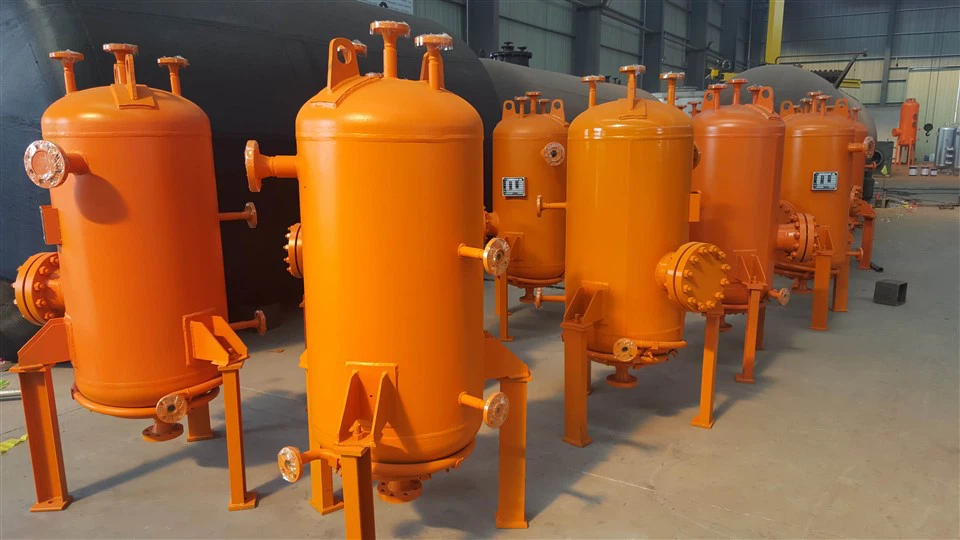
If you're in the market for a propane tank or any of our other storage tanks, such as Propane Tank, we're here to help. We offer high-quality, reliable storage solutions to meet your needs. Whether you're a homeowner, a business owner, or an industrial user, we can provide you with the right tank and the necessary support. Contact us for more information on our products and to start a purchase discussion.
References
- National Fire Protection Association. (2023). NFPA 58: Liquefied Petroleum Gas Code.
- Propane Education & Research Council. (n.d.). Propane Tank Safety. Retrieved from the official website of the council.
- Occupational Safety and Health Administration. (2023). Hazard Communication Standard.