

What is the chemical composition of stainless steel used in water tanks?
Oct 27, 2025
Stainless steel is a popular material for water tanks due to its durability, corrosion resistance, and hygienic properties. As a supplier of Stainless Steel Water Tank, I often get asked about the chemical composition of the stainless steel used in our products. In this blog post, I'll delve into the key elements that make up stainless steel and how they contribute to its performance in water tank applications.
The Basics of Stainless Steel
Stainless steel is an alloy, which means it is a mixture of different metals. The primary component of stainless steel is iron (Fe), which provides the base structure of the alloy. However, what sets stainless steel apart from regular steel is the addition of chromium (Cr). Chromium is the key element that gives stainless steel its corrosion-resistant properties. When chromium is exposed to oxygen, it forms a thin, invisible layer of chromium oxide on the surface of the steel. This layer acts as a protective barrier, preventing further oxidation and corrosion.
Key Elements in Stainless Steel for Water Tanks
Chromium (Cr)
Chromium is the most important element in stainless steel for water tank applications. It is typically present in concentrations ranging from 10.5% to 30%. The higher the chromium content, the greater the corrosion resistance of the stainless steel. In water tanks, chromium helps to protect the tank from rust and corrosion caused by contact with water, especially if the water contains impurities or has a high pH level.
Nickel (Ni)
Nickel is another important element in stainless steel. It is often added to improve the ductility, toughness, and corrosion resistance of the alloy. Nickel also helps to stabilize the austenitic structure of stainless steel, which is a type of crystal structure that provides excellent corrosion resistance and formability. In water tanks, nickel helps to enhance the overall performance of the stainless steel, especially in environments where the water is acidic or contains chloride ions.
Molybdenum (Mo)
Molybdenum is added to stainless steel to further enhance its corrosion resistance, especially in environments where the water contains chloride ions. Chloride ions can cause pitting corrosion, which is a type of localized corrosion that can lead to the failure of the water tank. Molybdenum helps to prevent pitting corrosion by forming a protective layer on the surface of the stainless steel that is resistant to chloride ions.
Carbon (C)
Carbon is a common element in steel, but in stainless steel, its content is carefully controlled. High carbon content can reduce the corrosion resistance of stainless steel, so it is typically kept below 0.15%. However, a small amount of carbon is necessary to provide strength and hardness to the stainless steel.
Manganese (Mn)
Manganese is added to stainless steel to improve its strength, hardness, and machinability. It also helps to reduce the formation of harmful compounds during the manufacturing process. In water tanks, manganese helps to improve the overall performance of the stainless steel, especially in terms of its mechanical properties.
Silicon (Si)
Silicon is added to stainless steel to improve its oxidation resistance and to enhance its strength at high temperatures. It also helps to improve the fluidity of the molten steel during the manufacturing process. In water tanks, silicon helps to protect the stainless steel from oxidation and corrosion, especially in environments where the water is hot or contains oxygen.
Different Grades of Stainless Steel for Water Tanks
There are several different grades of stainless steel that are commonly used in water tank applications. The most common grades are 304 and 316.
Grade 304 Stainless Steel
Grade 304 stainless steel is the most widely used grade of stainless steel for water tanks. It contains 18% chromium and 8% nickel, which provides excellent corrosion resistance in most water environments. Grade 304 stainless steel is also relatively inexpensive and easy to fabricate, making it a popular choice for water tank manufacturers.
Grade 316 Stainless Steel
Grade 316 stainless steel is a higher-grade stainless steel that contains 16% chromium, 10% nickel, and 2% molybdenum. The addition of molybdenum makes grade 316 stainless steel more resistant to pitting corrosion, especially in environments where the water contains chloride ions. Grade 316 stainless steel is often used in water tanks that are installed in coastal areas or in industrial environments where the water is likely to be contaminated with chloride ions.
Benefits of Using Stainless Steel in Water Tanks
Corrosion Resistance
As mentioned earlier, the main benefit of using stainless steel in water tanks is its excellent corrosion resistance. This helps to extend the lifespan of the water tank and to prevent the contamination of the water stored in the tank.
Hygienic Properties
Stainless steel is a non-porous material, which means it does not absorb or harbor bacteria or other contaminants. This makes it an ideal material for water tanks, especially for storing drinking water.
Durability
Stainless steel is a strong and durable material that can withstand the rigors of daily use. It is resistant to impact, abrasion, and temperature changes, which makes it suitable for use in a variety of environments.
Easy to Clean and Maintain
Stainless steel is easy to clean and maintain. It can be wiped down with a damp cloth or washed with mild soap and water. This helps to keep the water tank clean and hygienic.
Types of Stainless Steel Water Tanks
We offer a variety of stainless steel water tanks to meet the different needs of our customers. Our product range includes Vertical Stainless Steel Storage Tank and Horizontal Stainless Steel Storage Tank.
Vertical Stainless Steel Storage Tanks
Vertical stainless steel storage tanks are ideal for applications where space is limited. They are typically taller and narrower than horizontal tanks, which allows them to be installed in tight spaces. Vertical tanks are also easier to install and maintain, as they can be accessed from the top.
Horizontal Stainless Steel Storage Tanks
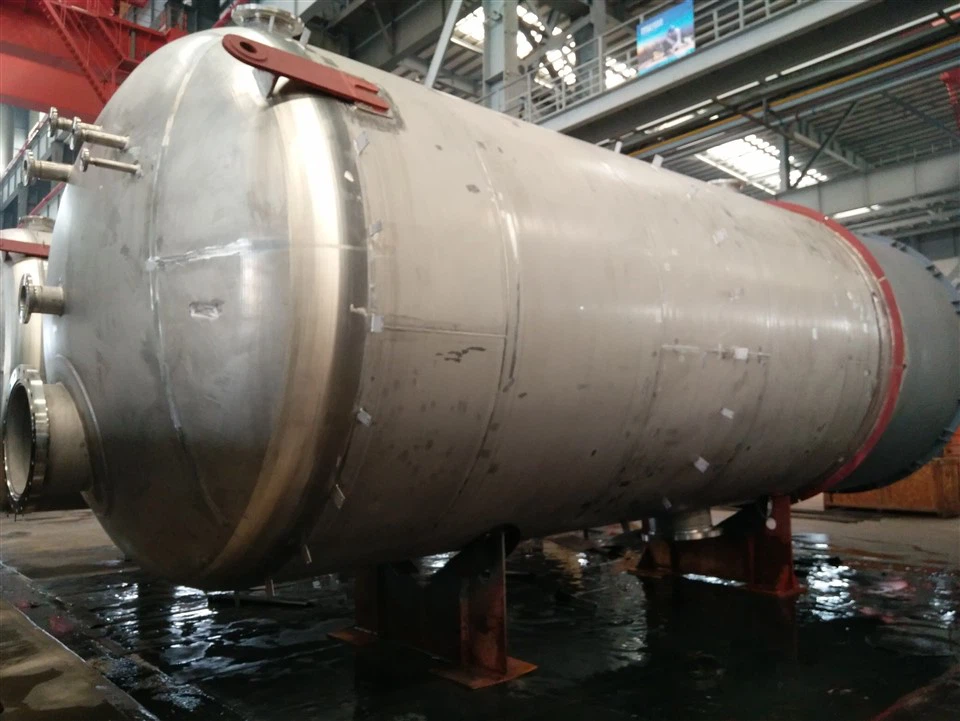
Horizontal stainless steel storage tanks are suitable for applications where a large volume of water needs to be stored. They are typically wider and shorter than vertical tanks, which provides a larger surface area for the water to be stored. Horizontal tanks are also more stable and less likely to tip over, which makes them ideal for outdoor installations.
Contact Us for Your Stainless Steel Water Tank Needs
If you are in the market for a high-quality stainless steel water tank, look no further. Our team of experts is ready to assist you in selecting the right tank for your specific needs. We offer a wide range of sizes and configurations to ensure that you find the perfect solution for your water storage requirements. Whether you need a small residential water tank or a large commercial storage tank, we have the expertise and experience to deliver a product that meets your expectations.

Contact us today to discuss your project and get a free quote. Let us help you find the ideal stainless steel water tank for your needs.
References
- ASM Handbook, Volume 13A: Corrosion: Fundamentals, Testing, and Protection. ASM International.
- Stainless Steel World Handbook. Elsevier.
- ASTM International standards for stainless steel.