

What information should be on a nitrogen storage tank label?
Sep 08, 2025
Hey there! As a supplier of Nitrogen Storage Tanks, I've seen firsthand the importance of having the right information on those tank labels. It's not just about looking professional; it's about safety, compliance, and making sure everyone knows what they're dealing with. So, let's dive into what info should be on a nitrogen storage tank label.

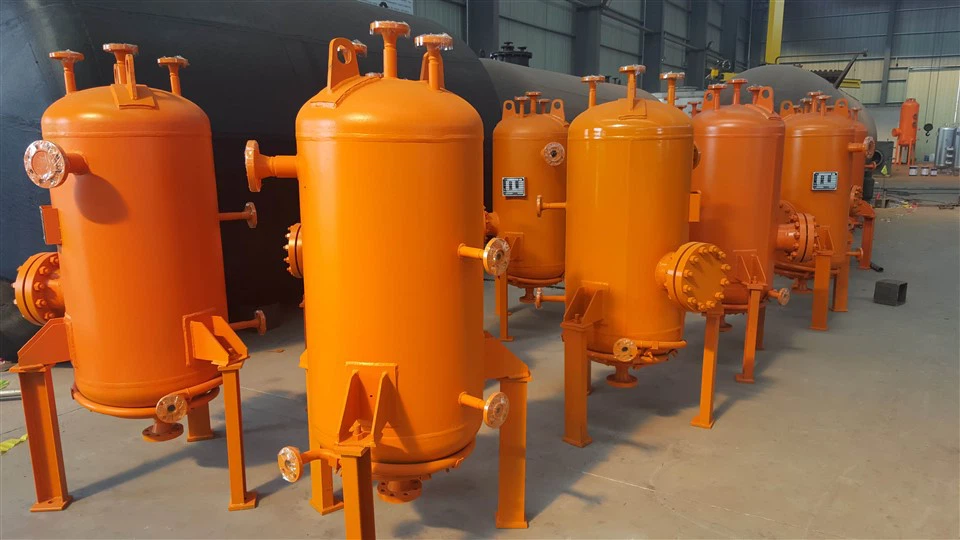
Product Identification
First things first, the label should clearly state that it's a nitrogen storage tank. This might seem obvious, but you'd be surprised how many mix - ups can happen in a busy industrial setting. Along with the word "Nitrogen," it's a good idea to include the chemical formula, which is N₂. This gives a more technical and accurate identification of the substance inside.
Physical and Chemical Properties
Nitrogen is an inert gas at room temperature, but it has some important physical and chemical properties that need to be on the label. For example, its boiling point is around -195.8°C (-320.4°F). This is crucial information because it tells users that nitrogen is stored in a cryogenic state. The density of nitrogen gas at standard conditions is about 1.251 g/L. Adding these details helps workers understand the behavior of the nitrogen in different situations.
Safety Information
Safety is the name of the game when it comes to handling nitrogen. The label should have clear warnings about the potential hazards. Nitrogen is an asphyxiant. When it leaks in an enclosed space, it can displace oxygen, leading to oxygen deficiency and potentially causing unconsciousness or even death. So, a big, bold warning about asphyxiation risks should be prominently displayed.
It should also mention the proper personal protective equipment (PPE) required. Workers handling nitrogen should wear insulated gloves to protect against cold burns and safety goggles to shield their eyes. Some environments might even call for respiratory protection if there's a risk of high - concentration nitrogen exposure.
Handling and Storage Instructions
Proper handling and storage are key to maintaining the integrity of the nitrogen storage tank and ensuring the safety of everyone around. The label should provide instructions on how to move the tank safely. For example, it should state that the tank should be moved using appropriate lifting equipment and that it should be secured during transport to prevent tipping or damage.
In terms of storage, the tank should be kept in a well - ventilated area away from sources of heat and ignition. Although nitrogen itself is non - flammable, other substances in the vicinity could pose a risk if the tank is not stored correctly. The recommended storage temperature range should also be specified on the label.
Regulatory Information
There are various regulations governing the storage and handling of nitrogen. The label should indicate compliance with relevant standards, such as those set by OSHA (Occupational Safety and Health Administration) in the United States or similar regulatory bodies in other countries. This gives users confidence that the tank meets the necessary safety and quality requirements.
Manufacturer and Contact Information
As a supplier, I know that it's essential to have our contact information on the label. This includes the name of our company, our address, phone number, and email. In case of any questions, concerns, or emergencies related to the nitrogen storage tank, users can easily reach out to us.
Capacity and Filling Information
The label should clearly state the capacity of the nitrogen storage tank. This helps users plan their usage and know when it's time to refill. It should also include instructions on the proper filling process, such as the maximum filling level and the type of filling equipment to be used.
Inspection and Maintenance Requirements
Regular inspection and maintenance are crucial for the long - term performance and safety of the nitrogen storage tank. The label should provide a schedule for inspections, including visual checks for signs of damage, leaks, or corrosion. It should also mention the recommended maintenance procedures, such as pressure testing and valve inspections.
Now, if you're in the market for different types of storage tanks, we also offer Liquid Storage Tank, Propane Tank, and Deoxygenation Tower Reflux Tank. These tanks come with the same level of attention to detail in terms of labeling and safety.
If you're interested in our nitrogen storage tanks or any of our other products, we'd love to hear from you. Whether you're a small - scale business or a large industrial operation, we have the right storage solutions for you. Reach out to us to start a conversation about your specific needs and how we can provide the best products for your situation.
References
- OSHA. "Hazard Communication Standard."
- National Fire Protection Association (NFPA). "Codes and Standards Related to Cryogenic Liquids."
- American Society of Mechanical Engineers (ASME). "Boiler and Pressure Vessel Code for Storage Tanks."