

What are the transportation safety measures for a liquid ammonia storage tank?
Jan 20, 2026
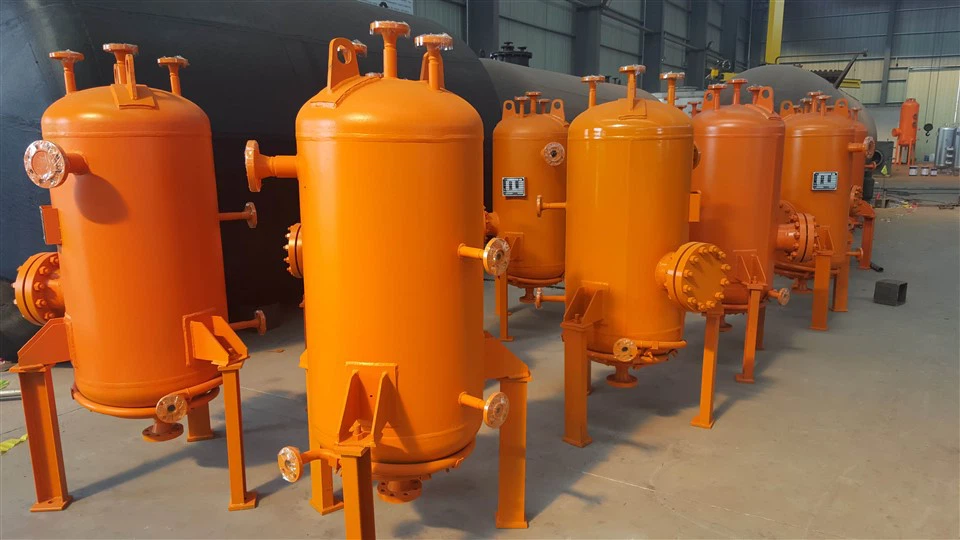
Hey there! As a supplier of Liquid Ammonia Storage Tanks, I know how crucial it is to talk about transportation safety measures. Liquid ammonia is a hazardous chemical, and getting it from point A to point B safely is no joke. So, let's dive into what needs to be done to ensure a safe journey for these storage tanks.
Pre - transportation Checks
First things first, before we even think about moving a liquid ammonia storage tank, a thorough inspection is a must. We need to check for any signs of damage, like cracks or leaks. A small crack might seem insignificant, but it can turn into a major problem during transportation due to vibrations and changes in pressure.
We also have to make sure all the valves and fittings are in good working condition. These are the weak points where ammonia could potentially escape if not properly maintained. Plus, we verify the integrity of the pressure relief devices. They're like the safety valves on a steam engine, designed to release pressure safely if it gets too high.
Another important aspect is the tank's structural integrity. We check the thickness of the tank walls to ensure they can withstand the pressure and stresses during transportation. This is done using specialized equipment that can detect even the slightest signs of corrosion or thinning of the metal.
And let's not forget about the labels! The storage tank must be clearly labeled with all the necessary information, including the name of the chemical, its hazards, and emergency contact details. This is not only a legal requirement but also a crucial safety measure for anyone who might come into contact with the tank during transportation.
Vehicle and Equipment Requirements
The vehicle used to transport the liquid ammonia storage tank is just as important as the tank itself. It has to be specifically designed and approved for transporting hazardous chemicals. The vehicle should have a stable and secure platform to hold the tank, minimizing the risk of it shifting or tipping over during transit.
We use trucks with advanced suspension systems to reduce the impact of bumps and vibrations on the tank. And the wheels, brakes, and steering system are regularly inspected to ensure they are in top - notch condition. After all, a mechanical failure on the road could spell disaster when transporting a potentially dangerous substance like liquid ammonia.
In addition to the vehicle, we also use high - quality securing equipment. Straps, chains, and brackets are used to firmly attach the tank to the vehicle. These securing devices are regularly checked for wear and tear, and replaced if necessary. This way, we can be confident that the tank will stay in place, even when the vehicle is taking sharp turns or navigating rough roads.
Monitoring During Transportation
Once the tank is on the move, it's essential to keep a close eye on it. We use a variety of monitoring devices to track the tank's condition. Pressure sensors are installed to continuously measure the pressure inside the tank. If the pressure starts to rise above the normal range, it could be a sign of a problem, such as a blockage or a chemical reaction taking place inside the tank.
Temperature sensors are also used to monitor the temperature of the liquid ammonia. Ammonia is sensitive to temperature changes, and a sudden increase in temperature could lead to an increase in pressure, which in turn could cause a leak or even an explosion. If the temperature goes out of the safe range, appropriate measures can be taken immediately.
In addition to these sensors, we also have GPS tracking systems installed on the vehicle. This allows us to keep track of the vehicle's location at all times. In case of an emergency, we can quickly dispatch help to the exact location of the vehicle. And if there are any traffic jams or road closures, we can reroute the vehicle to avoid delays and potential safety hazards.
Emergency Response Planning
No matter how many safety measures we put in place, there's always a small chance that something could go wrong. That's why we have a comprehensive emergency response plan in place.
First of all, the drivers are trained to handle emergencies. They know what to do in case of a leak, fire, or any other incident involving the liquid ammonia storage tank. They are equipped with personal protective equipment (PPE), such as gas masks and chemical - resistant suits, to protect themselves in case of accidental exposure.
We also have emergency response teams on standby. These teams are trained to deal with chemical spills and other incidents related to hazardous materials. They have specialized equipment, such as spill containment booms and neutralizing agents, to quickly contain and clean up any spills.

In addition, we have established communication channels with local emergency services. In case of a major incident, we can quickly notify the police, fire department, and other relevant authorities. This ensures that a coordinated response can be launched as soon as possible, minimizing the impact of the incident on the environment and public safety.
Comparison with Other Storage Tanks
It's interesting to compare the transportation safety measures for liquid ammonia storage tanks with those of other similar storage tanks. For example, Liquid Storage Tank is a general term for tanks that store various types of liquids. While some of the safety measures are similar, the specific requirements for liquid ammonia are much stricter due to its hazardous nature.
When it comes to Liquid Chlorine Storage Tank, both chlorine and ammonia are toxic chemicals, but they have different chemical properties. Chlorine is a strong oxidizer, while ammonia is a reducing agent. So, the storage and transportation safety measures need to take these different properties into account.
Propane Tank is another example. Propane is a flammable gas, and the main concern during transportation is preventing fires and explosions. The safety measures for propane tanks focus more on preventing ignition sources and ensuring proper ventilation.
Why Choose Our Liquid Ammonia Storage Tanks?
Now, you might be wondering why you should choose our liquid ammonia storage tanks. Well, we pride ourselves on our commitment to safety. We follow the strictest safety standards in the industry, from the design and manufacturing of the tanks to their transportation.
Our tanks are made from high - quality materials that can withstand the harsh conditions of transportation and storage. We use advanced manufacturing techniques to ensure the tanks are leak - proof and strong. And our team of experts is always on hand to provide technical support and advice on safety measures.
If you're in the market for a liquid ammonia storage tank, or if you have any questions about transportation safety, we'd love to have a chat. Contact us to start a discussion about your specific needs and how we can help you ensure the safe storage and transportation of liquid ammonia.
References
- "Transportation of Hazardous Materials: A Comprehensive Guide"
- Industry standards for the transportation of liquid ammonia issued by relevant regulatory bodies.