

What are the regulations for the operation log of a liquid ammonia storage tank?
Jan 13, 2026
Hey there! As a supplier of Liquid Ammonia Storage Tanks, I've got a lot to share about the regulations for the operation log of these tanks. It's super important stuff, not just for safety but also for legal compliance.
Let's start with why we even need an operation log. Liquid ammonia is a hazardous chemical. It's used in a bunch of industries, like agriculture for fertilizers and in refrigeration systems. But if not handled properly, it can cause some serious problems, like explosions, fires, and harm to the environment and people. An operation log helps us keep track of everything that happens with the storage tank, so we can spot any issues early and take action.
First off, what should be in the operation log? Well, it needs to have details about when the tank was filled or emptied. This includes the date, time, and the amount of liquid ammonia that was added or removed. For example, if we filled the tank on March 15th at 2 PM with 500 liters of liquid ammonia, that info goes right in the log.
We also need to record the temperature and pressure of the tank regularly. Liquid ammonia is stored under specific temperature and pressure conditions to keep it in a liquid state. If the temperature gets too high or the pressure too low, it can lead to leaks or other dangerous situations. So, we check these readings every few hours and note them down.
Another important thing to log is any maintenance or inspection work done on the tank. This could be things like checking the valves, seals, and pipes for leaks or damage. If we find any issues during these inspections, we record what the problem was and what we did to fix it. For instance, if we found a small leak in a valve on April 2nd and replaced the gasket, that's all in the log.
The operation log should also include details about any emergency situations. If there's a spill, fire, or any other incident involving the liquid ammonia tank, we need to write down what happened, when it happened, and how we responded. This helps us learn from the situation and improve our safety procedures in the future.
Now, let's talk about how often we should update the operation log. It really depends on the size of the tank and how often it's used. For smaller tanks that are used less frequently, we might update the log once a day. But for larger tanks that are in constant use, we could be updating it every few hours.
There are also some rules about how long we need to keep the operation log. In most places, we're required to keep it for at least a few years. This is so that if there are any questions or investigations later on, we have all the information we need.
As a Liquid Ammonia Storage Tank supplier, I know that following these regulations is not just about avoiding fines. It's about keeping our customers and the environment safe. That's why we always make sure our tanks come with clear instructions on how to maintain the operation log.
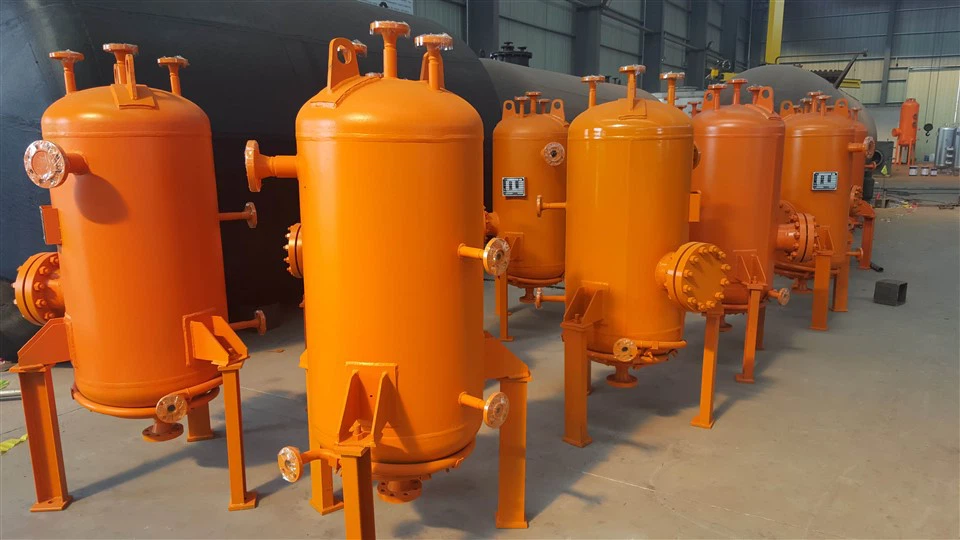

If you're in the market for a Liquid Ammonia Storage Tank, you might also be interested in other types of storage tanks. Check out our Nitrogen Storage Tank, Liquid Chlorine Storage Tank, and Propane Tank. These are all high - quality tanks that meet strict safety standards.
If you have any questions about our Liquid Ammonia Storage Tanks or the operation log regulations, don't hesitate to reach out. We're here to help you make the right choice for your business. Whether you're a small farm looking for a simple storage solution or a large industrial facility with complex needs, we've got you covered.
In conclusion, the operation log for a liquid ammonia storage tank is a crucial part of its safe operation. By following the regulations and keeping accurate records, we can prevent accidents and ensure the long - term reliability of the tank. So, if you're thinking about purchasing a Liquid Ammonia Storage Tank, make sure you're ready to commit to proper log - keeping.
References
- Occupational Safety and Health Administration (OSHA) guidelines on hazardous chemical storage.
- Industry standards for liquid ammonia storage and handling.