

What are the noise levels associated with a nitrogen storage tank?
Jul 23, 2026
Hey there! As a supplier of Nitrogen Storage Tanks, I often get asked about the noise levels associated with these tanks. It's an important topic, especially for those who are considering installing one or are already using them in their operations. In this blog, I'll dive into the details of what noise levels you can expect from a nitrogen storage tank and what factors can influence them.
Understanding the Basics of Nitrogen Storage Tanks
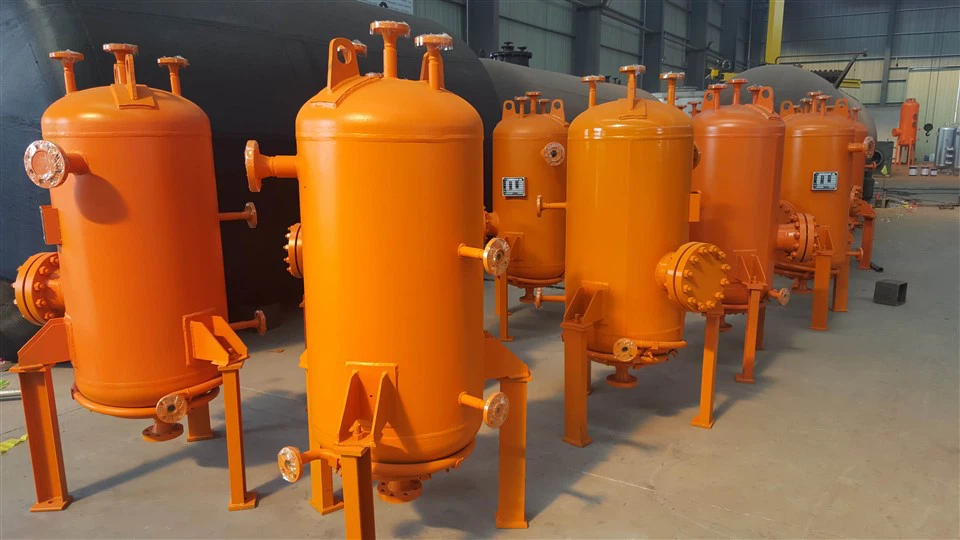
First off, let's quickly go over what a nitrogen storage tank is. Nitrogen is an inert gas widely used in various industries, such as food and beverage, pharmaceuticals, and electronics. A Nitrogen Storage Tank is designed to store nitrogen in a liquid or gaseous state safely. These tanks come in different sizes and configurations, depending on the specific needs of the user.
Noise Sources in Nitrogen Storage Tanks
Now, let's talk about the main sources of noise in a nitrogen storage tank. There are a few key components that can generate noise during the operation of the tank:
1. Pressure Relief Valves
Pressure relief valves are an essential safety feature in nitrogen storage tanks. They are designed to release excess pressure when it exceeds a certain level. When these valves open, they can produce a loud hissing sound as the nitrogen is released. The noise level can vary depending on the size of the valve and the pressure at which it opens.
2. Pumping Systems
If the nitrogen storage tank is equipped with a pumping system to transfer the nitrogen, the pumps can also be a source of noise. The mechanical operation of the pumps, including the movement of the pistons or impellers, can create vibrations and noise. The noise level of the pumps depends on factors such as the pump type, size, and operating speed.
3. Evaporation and Boiling
Nitrogen is stored in a liquid state at very low temperatures. As the liquid nitrogen warms up, it starts to evaporate and turn into a gas. This evaporation process can cause some noise, especially if the tank is not well-insulated. The boiling of the liquid nitrogen can also create bubbles and agitation, which can contribute to the overall noise level.
Noise Levels Associated with Nitrogen Storage Tanks
The noise levels associated with nitrogen storage tanks can vary widely depending on the factors mentioned above. In general, the noise levels can range from around 60 decibels (dB) to over 100 dB. To put this into perspective, 60 dB is about the level of normal conversation, while 100 dB is equivalent to the noise of a chainsaw or a motorcycle.
It's important to note that prolonged exposure to high noise levels can have negative effects on human health, including hearing loss, stress, and sleep disturbances. Therefore, it's crucial to take appropriate measures to control the noise levels in and around the nitrogen storage tank.
Factors Affecting Noise Levels
Several factors can influence the noise levels of a nitrogen storage tank. Here are some of the key factors to consider:
1. Tank Design and Construction
The design and construction of the nitrogen storage tank can have a significant impact on the noise levels. Tanks that are well-insulated and have proper vibration isolation can help reduce the noise generated by the tank. Additionally, the materials used in the construction of the tank can also affect the noise levels. For example, tanks made of thicker and more rigid materials may be less likely to vibrate and produce noise.
2. Operating Conditions
The operating conditions of the nitrogen storage tank, such as the pressure, temperature, and flow rate, can also affect the noise levels. Higher pressures and flow rates can result in louder noise levels, especially when the pressure relief valves open. Similarly, higher temperatures can cause more evaporation and boiling, which can increase the noise levels.
3. Maintenance and Inspection
Regular maintenance and inspection of the nitrogen storage tank are essential to ensure that it is operating properly and to minimize the noise levels. This includes checking the pressure relief valves, pumps, and other components for any signs of wear or damage. By keeping the tank in good condition, you can reduce the likelihood of noise issues.
Noise Control Measures
To control the noise levels associated with nitrogen storage tanks, there are several measures that can be taken:
1. Insulation
Insulating the nitrogen storage tank can help reduce the noise generated by the tank. This can be done by using insulation materials such as fiberglass or foam. Insulation not only helps to reduce the noise but also helps to maintain the temperature of the nitrogen, which can improve the efficiency of the tank.
2. Vibration Isolation
Using vibration isolation mounts or pads can help reduce the vibrations and noise generated by the pumps and other components of the nitrogen storage tank. These mounts can absorb the vibrations and prevent them from being transmitted to the surrounding environment.
3. Sound Barriers
Installing sound barriers around the nitrogen storage tank can help reduce the noise levels. These barriers can be made of materials such as concrete, steel, or acoustic panels. Sound barriers can help to block the noise from the tank and prevent it from spreading to the surrounding area.
4. Regular Maintenance
As mentioned earlier, regular maintenance and inspection of the nitrogen storage tank are essential to ensure that it is operating properly and to minimize the noise levels. This includes checking the pressure relief valves, pumps, and other components for any signs of wear or damage. By keeping the tank in good condition, you can reduce the likelihood of noise issues.

Conclusion
In conclusion, the noise levels associated with a nitrogen storage tank can vary depending on several factors, including the tank design, operating conditions, and maintenance. By understanding the sources of noise and taking appropriate measures to control it, you can ensure that the nitrogen storage tank operates safely and efficiently while minimizing the impact on the surrounding environment.
If you're considering purchasing a nitrogen storage tank or have any questions about the noise levels associated with them, feel free to contact us. We're here to help you find the right solution for your needs.
References
- Smith, J. (2020). Nitrogen Storage Tanks: A Comprehensive Guide. Industrial Gas Journal, 35(2), 45-52.
- Johnson, R. (2019). Noise Control in Industrial Settings. Environmental Health and Safety Magazine, 22(3), 67-73.
- Brown, A. (2018). Maintenance and Inspection of Nitrogen Storage Tanks. Chemical Engineering Magazine, 40(4), 89-95.