

What are the inspection items for the valve of a liquid ammonia storage tank?
Dec 18, 2025
As a reputable liquid ammonia storage tank supplier, I understand the critical importance of ensuring the safety and functionality of every component within these systems. Among these components, valves play a pivotal role in regulating the flow, pressure, and containment of liquid ammonia. Therefore, thorough inspections of valves are essential to prevent leaks, malfunctions, and potential hazards. In this blog post, I will delve into the key inspection items for the valves of a liquid ammonia storage tank, providing valuable insights for operators, maintenance teams, and anyone involved in the management of these critical assets.
Physical Inspection
The first step in valve inspection is a comprehensive physical examination. This involves visually assessing the valve's exterior for any signs of damage, corrosion, or wear. Look for cracks, dents, or scratches on the valve body, bonnet, and stem. These imperfections could compromise the valve's integrity and lead to leaks. Pay close attention to the valve's connections, such as flanges and threaded joints, ensuring they are tight and free from any signs of leakage. Loose connections can result in ammonia leaks, which pose significant safety risks to personnel and the environment.
Inspect the valve's actuator, which is responsible for opening and closing the valve. Check for any signs of damage or misalignment, such as bent shafts or loose mounting bolts. Ensure that the actuator operates smoothly and that the valve can be opened and closed without excessive force. A malfunctioning actuator can prevent the valve from functioning properly, leading to operational disruptions and potential safety hazards.
Sealing Inspection
The sealing performance of a valve is crucial for preventing ammonia leaks. Inspect the valve's seals, including gaskets and O-rings, for any signs of damage, wear, or degradation. Look for cracks, tears, or signs of hardening in the seals. Damaged seals can allow ammonia to escape, posing a serious safety risk. Replace any seals that show signs of damage or wear.
Test the valve's seat for proper sealing. This can be done by applying a pressure test or using a leak detection solution. If the valve seat does not seal properly, it may need to be repaired or replaced. A faulty valve seat can cause leaks and affect the valve's performance.
Operational Inspection
In addition to physical and sealing inspections, it is essential to test the valve's operational performance. This involves opening and closing the valve to ensure it operates smoothly and accurately. Check for any signs of binding, sticking, or excessive resistance during operation. A valve that does not operate smoothly may indicate internal damage or debris within the valve.
Verify the valve's position indicator to ensure it accurately reflects the valve's actual position. A misaligned or inaccurate position indicator can lead to confusion and potential operational errors. Check the valve's limit switches, if applicable, to ensure they are functioning correctly and provide accurate feedback on the valve's position.
Pressure and Flow Control Inspection
Valves are often used to control the pressure and flow of liquid ammonia within the storage tank system. Therefore, it is important to inspect the valve's pressure and flow control capabilities. Check the valve's pressure relief device to ensure it is functioning properly and set to the correct pressure. A malfunctioning pressure relief device can lead to overpressure situations, which can cause the tank to rupture or explode.
Test the valve's flow control capabilities by adjusting the valve opening and measuring the flow rate. Ensure that the valve can accurately control the flow of liquid ammonia within the specified range. A valve that cannot control the flow properly can lead to operational inefficiencies and potential safety hazards.
Material Compatibility Inspection
Liquid ammonia is a highly corrosive substance that can react with certain materials. Therefore, it is important to ensure that the valve's materials are compatible with liquid ammonia. Check the valve's body, stem, and other components to ensure they are made of materials that can withstand the corrosive effects of liquid ammonia. Common materials used for valves in liquid ammonia storage tank systems include stainless steel, carbon steel, and certain types of plastics.
Inspect the valve's coating or lining, if applicable, to ensure it provides adequate protection against corrosion. A damaged or worn coating can expose the valve's underlying materials to the corrosive effects of liquid ammonia, leading to premature failure.
Maintenance and Documentation
Regular maintenance is essential for ensuring the long-term reliability and performance of valves in liquid ammonia storage tank systems. Establish a maintenance schedule and follow it diligently. This may include lubricating the valve's moving parts, inspecting and replacing seals, and performing periodic pressure and flow tests.
Keep detailed records of all valve inspections, maintenance activities, and repairs. This documentation can be used to track the valve's history, identify potential issues, and ensure compliance with regulatory requirements. By maintaining accurate records, you can demonstrate that your liquid ammonia storage tank system is being properly maintained and operated.
Conclusion
In conclusion, thorough inspections of valves are essential for ensuring the safety and functionality of liquid ammonia storage tank systems. By conducting physical inspections, sealing inspections, operational inspections, pressure and flow control inspections, and material compatibility inspections, you can identify and address potential issues before they become major problems. Regular maintenance and documentation are also crucial for ensuring the long-term reliability and performance of valves.
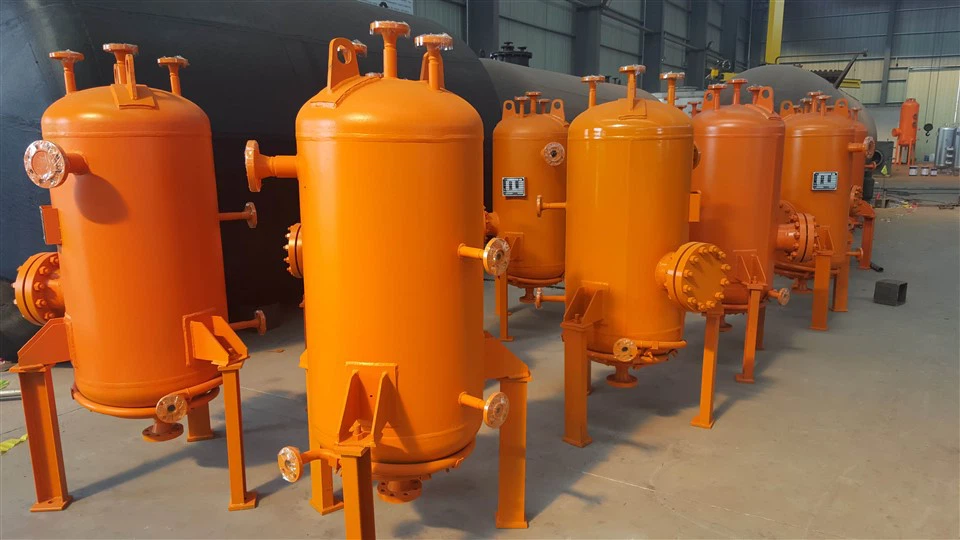

If you are in the market for high-quality liquid ammonia storage tanks or need assistance with valve inspections and maintenance, please do not hesitate to [initiate a contact for procurement discussions]. Our team of experts is dedicated to providing you with the best solutions for your liquid storage needs. Whether you require a Propane Tank, a Deoxygenation Tower Reflux Tank, or a Liquid Storage Tank, we have the expertise and experience to meet your requirements.
References
- API 620: Design and Construction of Large, Welded, Low-Pressure Storage Tanks
- ASME Boiler and Pressure Vessel Code, Section VIII: Rules for Construction of Pressure Vessels
- OSHA 29 CFR 1910.111: Storage and Handling of Anhydrous Ammonia