

What are the coating options for a nitrogen storage tank?
Oct 01, 2026
What are the coating options for a nitrogen storage tank?
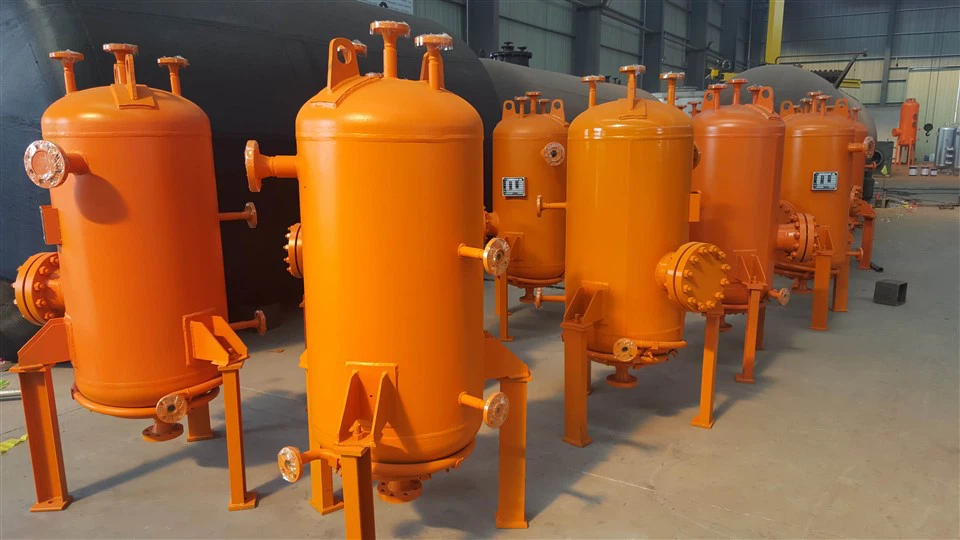
As a seasoned supplier of Nitrogen Storage Tanks, I understand the critical role that proper coatings play in the functionality, durability, and safety of these vital pieces of equipment. Nitrogen, being an inert gas, poses unique requirements for storage tank construction and maintenance. In this blog, we'll explore the various coating options available for nitrogen storage tanks, their benefits, and considerations when choosing the right one.
Why Coatings are Essential for Nitrogen Storage Tanks
Nitrogen storage tanks are typically made of metal, most commonly carbon steel or stainless steel. While these metals are strong and can withstand high pressures, they are susceptible to corrosion, especially in the presence of moisture or other contaminants. A well - chosen coating acts as a protective barrier between the tank's metal surface and the external environment, preventing corrosion, reducing the risk of leaks, and extending the tank's service life.
Common Coating Options
Epoxy Coatings
Epoxy coatings are one of the most popular choices for nitrogen storage tanks. Epoxy is a two - part polymer that forms a hard, durable, and chemically resistant film when the resin and hardener are mixed.
Advantages:
- High Chemical Resistance: Epoxy coatings can resist a wide range of chemicals, including those that might be present in the environment around the nitrogen storage tank. This makes them suitable for use in industrial settings where the tank may be exposed to various pollutants.
- Excellent Adhesion: They adhere well to metal surfaces, providing a long - lasting bond. This helps to prevent the coating from peeling or flaking off over time, ensuring continuous protection.
- Good Abrasion Resistance: Epoxy coatings can withstand physical wear and tear, such as minor impacts or abrasion during normal handling and maintenance of the tank.
Disadvantages:
- Curing Time: Epoxy coatings require a specific temperature and humidity range for proper curing. If the conditions are not ideal, the coating may not cure correctly, leading to reduced performance.
- UV Sensitivity: Over time, exposure to ultraviolet (UV) light can cause epoxy coatings to degrade, which may require additional protective measures if the tank is installed outdoors.
Polyurethane Coatings
Polyurethane coatings are another option for nitrogen storage tanks. Polyurethane is a versatile polymer that can be formulated to have different properties depending on the specific application.
Advantages:
- Flexibility: Polyurethane coatings are more flexible than epoxy coatings, which allows them to better withstand expansion and contraction of the tank due to temperature changes.
- UV Resistance: They have good resistance to UV light, making them suitable for outdoor applications without the need for additional UV protection.
- Aesthetic Appeal: Polyurethane coatings can be formulated to have a high - gloss finish, providing an attractive appearance for the tank.
Disadvantages:
- Chemical Resistance: While polyurethane coatings have decent chemical resistance, they may not be as resistant as epoxy coatings to certain aggressive chemicals.
- Cost: Polyurethane coatings can be more expensive than epoxy coatings, which may be a consideration for large - scale projects.
Zinc - Rich Coatings
Zinc - rich coatings are often used as a primer or as a standalone coating for nitrogen storage tanks. These coatings contain a high percentage of zinc particles, which provide sacrificial protection to the underlying metal.
Advantages:
- Cathodic Protection: Zinc is more electrochemically active than steel. When the coating is applied to the tank's surface, the zinc corrodes preferentially, protecting the steel from rusting.
- Long - Term Protection: Zinc - rich coatings can provide long - term corrosion protection, especially in environments with high humidity or salt exposure.
- Good Adhesion: They adhere well to metal surfaces and can serve as a good base for additional topcoats.
Disadvantages:
- Surface Preparation: Zinc - rich coatings require very thorough surface preparation to ensure proper adhesion. Any contaminants or rust on the metal surface can reduce the coating's effectiveness.
- Limited Thickness: The thickness of zinc - rich coatings is typically limited, and they may need to be overcoated with a topcoat for enhanced protection in certain environments.
Considerations When Choosing a Coating
When selecting a coating for a nitrogen storage tank, several factors need to be considered:

Environment
The environment in which the tank will be installed is a crucial factor. If the tank is located in a coastal area, it will be exposed to salt spray, which requires a coating with high corrosion resistance. For indoor applications, the requirements may be less stringent, but protection against humidity and potential chemical spills should still be considered.
Tank Design and Use
The design of the tank, such as its shape and size, can affect the application of the coating. Additionally, the intended use of the tank, whether it is for storing high - pressure nitrogen or low - pressure nitrogen, may influence the choice of coating. High - pressure tanks may require a more robust coating to withstand the additional stress.
Cost
Cost is always a consideration in any project. While it may be tempting to choose the cheapest coating option, it is important to balance cost with performance and durability. A high - quality coating may have a higher upfront cost but can save money in the long run by reducing maintenance and replacement costs.
Our Recommendations as a Nitrogen Storage Tank Supplier
At our company, we have extensive experience in providing nitrogen storage tanks with the appropriate coatings. Based on our experience, we generally recommend epoxy coatings for most indoor applications due to their excellent chemical resistance and adhesion. For outdoor applications, a combination of a zinc - rich primer and a polyurethane topcoat can provide the best of both worlds: cathodic protection from the zinc and UV resistance from the polyurethane.
We also offer customized coating solutions based on the specific requirements of our customers. Whether you need a coating for a small Nitrogen Storage Tank for a laboratory or a large industrial - scale tank, our team of experts can help you choose the right coating to ensure the longevity and safety of your tank.
In addition to nitrogen storage tanks, we also supply other types of storage tanks, such as Liquid Chlorine Storage Tank and Propane Tank. Our commitment to quality and customer satisfaction extends to all our products, and we are dedicated to providing the best solutions for your storage needs.
Contact Us for Your Coating and Storage Tank Needs
If you are in the market for a nitrogen storage tank or need advice on the right coating for your existing tank, we encourage you to reach out to our team. We are here to answer your questions, provide detailed product information, and assist you in making the best decision for your specific requirements. Whether you are a small business or a large industrial corporation, we have the expertise and resources to meet your needs. Contact us today to start the conversation and explore how we can help you with your nitrogen storage tank coating and procurement needs.
References
- Paint Coatings Technology Handbook. Publisher: McGraw - Hill.
- Corrosion Control for Storage Tanks: A Practical Guide. Author: John Doe. Published by: Industrial Press.