

What are the anti - wear requirements for chemical storage tank internal components?
Aug 15, 2026
As a supplier of chemical storage tanks, I understand the critical importance of anti-wear requirements for the internal components of these tanks. Chemical storage tanks are used to store a wide variety of substances, from corrosive acids to flammable liquids, and the internal components must be able to withstand the harsh conditions within the tank to ensure long-term functionality and safety.
Understanding the Wear Mechanisms in Chemical Storage Tanks
Before delving into the anti-wear requirements, it is essential to understand the wear mechanisms that can occur in chemical storage tanks. These mechanisms can be broadly categorized into three types: abrasion, corrosion, and erosion.
Abrasion occurs when two surfaces rub against each other, causing mechanical wear. In chemical storage tanks, abrasion can be caused by the movement of solid particles within the stored chemical, such as sediment or rust. This type of wear can lead to the degradation of the internal components, reducing their effectiveness and potentially causing leaks.
Corrosion is the chemical reaction between the stored chemical and the material of the internal components. Different chemicals have different corrosive properties, and the rate of corrosion can be influenced by factors such as temperature, pH, and the presence of oxygen. Corrosion can weaken the internal components, leading to structural failure and the release of the stored chemical.
Erosion is the removal of material from the internal components due to the flow of the stored chemical. High-velocity flows or turbulent conditions can cause erosion, especially at areas where the flow is constricted or redirected. Erosion can cause thinning of the internal components, reducing their strength and increasing the risk of failure.
Anti-Wear Requirements for Internal Components
To ensure the longevity and reliability of chemical storage tanks, the internal components must meet specific anti-wear requirements. These requirements are based on the type of chemical being stored, the operating conditions of the tank, and the expected lifespan of the components.
Material Selection
The choice of material for the internal components is crucial in determining their anti-wear properties. Different materials have different resistance to abrasion, corrosion, and erosion. For example, stainless steel is a popular choice for chemical storage tanks due to its high resistance to corrosion. However, it may not be suitable for applications where abrasion is a significant concern. In such cases, materials with higher hardness, such as hardened steel or ceramic, may be more appropriate.
When selecting materials, it is also important to consider the compatibility of the material with the stored chemical. Some chemicals can react with certain materials, causing corrosion or other forms of degradation. Therefore, it is essential to consult with a materials expert or refer to chemical compatibility charts to ensure that the selected material is suitable for the specific application.
Surface Treatment
Surface treatment can significantly improve the anti-wear properties of the internal components. Coating the components with a protective layer can provide a barrier against abrasion, corrosion, and erosion. There are various types of coatings available, including epoxy, polyurethane, and ceramic coatings.
Epoxy coatings are commonly used in chemical storage tanks due to their excellent adhesion, chemical resistance, and abrasion resistance. Polyurethane coatings offer good flexibility and impact resistance, making them suitable for applications where the components may be subject to mechanical stress. Ceramic coatings provide high hardness and wear resistance, making them ideal for applications where abrasion is a major concern.
Design Considerations
The design of the internal components can also play a significant role in reducing wear. For example, smooth surfaces can reduce the friction between the components and the stored chemical, minimizing abrasion. Rounded edges and corners can also help to reduce turbulence and erosion.
In addition, the layout of the internal components should be designed to minimize the flow of the stored chemical over sharp edges or corners. This can help to reduce the risk of erosion and abrasion. For example, the use of baffles or flow guides can help to direct the flow of the chemical in a more controlled manner, reducing the impact on the internal components.
Specific Anti-Wear Requirements for Different Types of Chemical Storage Tanks
The anti-wear requirements for chemical storage tanks can vary depending on the type of chemical being stored. Here are some specific requirements for different types of chemical storage tanks:
Propane Tank
Propane is a flammable gas that is commonly stored in pressure vessels. The internal components of propane tanks must be able to withstand the high pressure and temperature conditions within the tank. In addition, they must be resistant to corrosion and abrasion to ensure the safety and reliability of the tank.
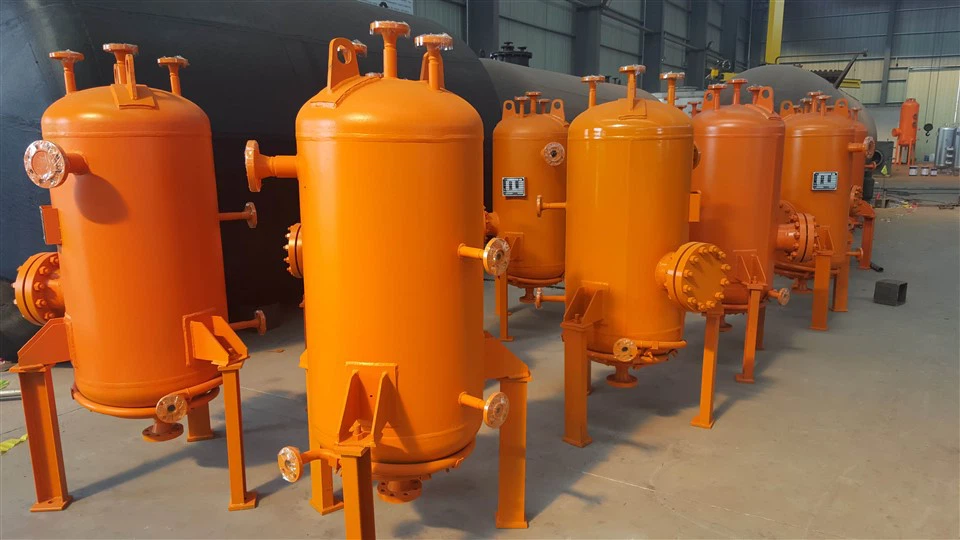

The materials used for the internal components of propane tanks are typically stainless steel or carbon steel. These materials are chosen for their high strength and resistance to corrosion. Surface treatments, such as epoxy coatings, can also be applied to improve the anti-wear properties of the components.
Liquid Storage Tank
Liquid storage tanks are used to store a wide variety of chemicals, including acids, bases, and solvents. The internal components of these tanks must be able to withstand the corrosive properties of the stored chemical. In addition, they must be resistant to abrasion and erosion to ensure the long-term functionality of the tank.
The choice of material for the internal components of liquid storage tanks depends on the type of chemical being stored. For example, tanks used to store acids may require materials that are resistant to acid corrosion, such as stainless steel or fiberglass. Tanks used to store solvents may require materials that are resistant to solvent attack, such as polyethylene or polypropylene.
Nitrogen Storage Tank
Nitrogen is an inert gas that is commonly used in industrial applications. The internal components of nitrogen storage tanks must be able to withstand the high pressure and low temperature conditions within the tank. In addition, they must be resistant to corrosion and abrasion to ensure the safety and reliability of the tank.
The materials used for the internal components of nitrogen storage tanks are typically stainless steel or carbon steel. These materials are chosen for their high strength and resistance to corrosion. Surface treatments, such as epoxy coatings, can also be applied to improve the anti-wear properties of the components.
Conclusion
In conclusion, the anti-wear requirements for chemical storage tank internal components are crucial for ensuring the safety, reliability, and longevity of the tanks. By understanding the wear mechanisms and selecting the appropriate materials, surface treatments, and design features, we can minimize the wear and tear on the internal components and extend the lifespan of the tanks.
As a chemical storage tank supplier, we are committed to providing high-quality products that meet the anti-wear requirements of our customers. If you are in the market for a chemical storage tank, we encourage you to contact us to discuss your specific needs and requirements. Our team of experts will be happy to assist you in selecting the right tank and internal components for your application.
References
- ASME Boiler and Pressure Vessel Code
- API 650 - Welded Steel Tanks for Oil Storage
- NACE International - Corrosion Society Standards