

What are the anti - fungal requirements for chemical storage tanks?
Dec 19, 2025
As a seasoned supplier of chemical storage tanks, I've witnessed firsthand the importance of anti-fungal requirements in maintaining the integrity and safety of these crucial assets. Fungi can pose significant threats to chemical storage tanks, leading to corrosion, contamination, and potential safety hazards. In this blog post, I'll delve into the key anti-fungal requirements for chemical storage tanks, providing valuable insights for businesses and industries that rely on these essential components.
Understanding the Threat of Fungi in Chemical Storage Tanks
Fungi are ubiquitous microorganisms that thrive in moist, warm environments. Chemical storage tanks, especially those containing organic chemicals or water-based solutions, can provide an ideal breeding ground for fungi. When fungi colonize the interior surfaces of a storage tank, they can cause a range of problems, including:
- Corrosion: Fungi produce organic acids as by-products of their metabolism, which can corrode the metal or composite materials used in the construction of storage tanks. Over time, this corrosion can weaken the tank structure, leading to leaks and potential failures.
- Contamination: Fungal growth can contaminate the stored chemicals, altering their chemical composition and reducing their effectiveness. This can have serious implications for industries that rely on high-quality chemicals for their processes, such as pharmaceuticals, food and beverage, and electronics manufacturing.
- Safety Hazards: In some cases, fungal growth can produce toxic substances or gases, posing a safety risk to workers and the environment. For example, certain types of fungi can produce mycotoxins, which are known to cause respiratory problems, skin irritation, and other health issues.
Anti-Fungal Requirements for Chemical Storage Tanks
To prevent the growth of fungi in chemical storage tanks, it's essential to implement a comprehensive anti-fungal strategy that addresses the following key requirements:
1. Material Selection
The choice of materials for chemical storage tanks plays a crucial role in preventing fungal growth. When selecting materials, it's important to consider their resistance to corrosion, moisture, and fungal attack. Some of the most commonly used materials for chemical storage tanks include:
- Stainless Steel: Stainless steel is a popular choice for chemical storage tanks due to its excellent corrosion resistance and durability. It's also relatively easy to clean and maintain, making it less susceptible to fungal growth.
- Fiberglass Reinforced Plastic (FRP): FRP is a composite material that consists of a fiberglass reinforcement embedded in a polymer matrix. It's lightweight, strong, and resistant to corrosion and fungal attack. FRP tanks are often used for storing corrosive chemicals and are available in a variety of shapes and sizes.
- Polyethylene: Polyethylene is a thermoplastic material that is widely used for chemical storage tanks due to its low cost, high chemical resistance, and ease of fabrication. It's also resistant to fungal growth, making it a suitable choice for storing water-based chemicals and other non-corrosive substances.
2. Surface Treatment
In addition to selecting the right materials, it's also important to apply a suitable surface treatment to the interior surfaces of chemical storage tanks to prevent fungal growth. Some of the most commonly used surface treatments include:
- Epoxy Coatings: Epoxy coatings are a popular choice for protecting the interior surfaces of chemical storage tanks due to their excellent adhesion, chemical resistance, and durability. They can also provide a smooth, non-porous surface that is less susceptible to fungal growth.
- Polyurethane Coatings: Polyurethane coatings are another type of surface treatment that is commonly used for chemical storage tanks. They offer excellent abrasion resistance, chemical resistance, and UV resistance, making them suitable for outdoor applications.
- Anti-Fungal Paints: Anti-fungal paints contain special additives that inhibit the growth of fungi on the painted surface. They can be applied to the interior surfaces of chemical storage tanks to provide an additional layer of protection against fungal attack.
3. Ventilation
Proper ventilation is essential for preventing the growth of fungi in chemical storage tanks. Ventilation helps to remove moisture and stale air from the tank, creating a less favorable environment for fungal growth. When designing a ventilation system for a chemical storage tank, it's important to consider the following factors:
- Airflow Rate: The airflow rate of the ventilation system should be sufficient to remove moisture and stale air from the tank at a rate that prevents the accumulation of condensation.
- Air Inlet and Outlet Locations: The air inlet and outlet locations should be carefully chosen to ensure that the airflow is evenly distributed throughout the tank. This helps to prevent the formation of stagnant air pockets, which can provide a breeding ground for fungi.
- Filtering: The ventilation system should include a filter to remove dust, dirt, and other airborne contaminants from the incoming air. This helps to prevent the introduction of fungal spores into the tank.
4. Cleaning and Maintenance
Regular cleaning and maintenance are essential for preventing the growth of fungi in chemical storage tanks. Cleaning helps to remove dirt, debris, and other contaminants from the tank, while maintenance helps to ensure that the tank is in good working condition and that all anti-fungal measures are functioning properly. When cleaning and maintaining a chemical storage tank, it's important to follow the manufacturer's recommendations and industry best practices. Some of the key cleaning and maintenance tasks include:

- Inspection: Regular inspections should be conducted to check for signs of fungal growth, corrosion, and other damage. Any issues should be addressed promptly to prevent further damage.
- Cleaning: The interior surfaces of the tank should be cleaned regularly using a suitable cleaning solution. The cleaning solution should be chosen based on the type of chemicals stored in the tank and the material of the tank.
- Disinfection: In some cases, it may be necessary to disinfect the interior surfaces of the tank to kill any fungi or other microorganisms that may be present. This can be done using a suitable disinfectant solution.
- Repairs and Replacements: Any damaged or worn parts of the tank should be repaired or replaced promptly to ensure that the tank is in good working condition.
Conclusion
Fungal growth in chemical storage tanks can pose significant threats to the integrity, safety, and performance of these crucial assets. By implementing a comprehensive anti-fungal strategy that addresses the key requirements outlined in this blog post, businesses and industries can prevent the growth of fungi in their chemical storage tanks and ensure the long-term reliability and safety of their operations.
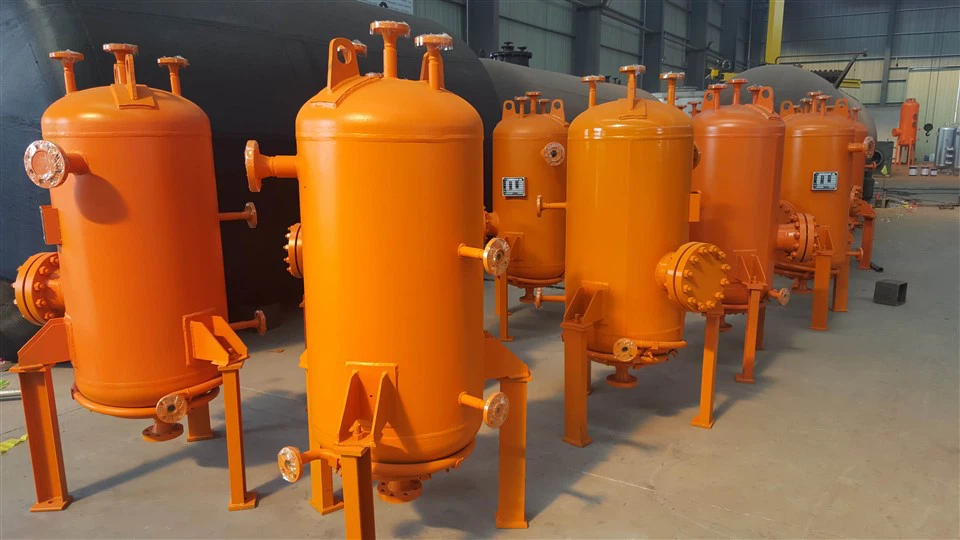
If you're in the market for high-quality chemical storage tanks that meet the highest anti-fungal requirements, look no further. As a leading supplier of Liquid Chlorine Storage Tank, Liquid Storage Tank, and Propane Tank, we have the expertise and experience to provide you with the right solution for your specific needs. Contact us today to learn more about our products and services and to discuss your chemical storage tank requirements.
References
- ASTM International. (2021). Standard Practice for Selection of Linings for Aboveground Storage Tanks for Petroleum Products and Chemicals. ASTM D5209-21.
- National Fire Protection Association. (2020). NFPA 30: Flammable and Combustible Liquids Code.
- American Petroleum Institute. (2019). API 653: Tank Inspection, Repair, Alteration, and Reconstruction.