

How to select a chemical storage tank for food - grade chemicals?
Jan 07, 2026
Selecting the right chemical storage tank for food - grade chemicals is a critical decision that requires careful consideration of various factors. As a chemical storage tank supplier, I understand the importance of providing safe and reliable storage solutions for the food industry. In this blog post, I will share some key points to help you make an informed choice when it comes to choosing a chemical storage tank for food - grade chemicals.
Compatibility with Food - Grade Chemicals
The first and foremost consideration is the compatibility of the storage tank material with the specific food - grade chemicals you plan to store. Different food - grade chemicals have different chemical properties, such as acidity, alkalinity, and reactivity. For example, some acids may react with certain metals, causing corrosion and potentially contaminating the stored chemicals.
Stainless steel is a popular choice for food - grade chemical storage due to its high resistance to corrosion. It can withstand a wide range of chemical environments, including mild acids and alkalis. Additionally, stainless steel is non - toxic and easy to clean, which is essential for maintaining the purity of food - grade chemicals. Another option is high - density polyethylene (HDPE) tanks. HDPE is resistant to many chemicals, lightweight, and relatively inexpensive. It is also FDA - approved for food contact, making it a suitable choice for storing certain food - grade chemicals.
Regulatory Compliance
When dealing with food - grade chemicals, regulatory compliance is of utmost importance. The storage tank must meet all relevant national and international standards and regulations. In the United States, the Food and Drug Administration (FDA) has strict guidelines regarding the materials and construction of equipment used in contact with food. Your storage tank should comply with these regulations to ensure the safety and quality of the stored chemicals.
In addition to FDA regulations, there may be other local or industry - specific regulations that you need to adhere to. For example, if you are storing food - grade chemicals in a facility that is subject to environmental regulations, the storage tank should be designed to prevent leaks and spills that could contaminate the environment.
Capacity Requirements
Determining the appropriate capacity of the storage tank is crucial. You need to consider the volume of food - grade chemicals you need to store, as well as future growth projections. If you underestimate the capacity, you may need to purchase additional tanks in the future, which can be costly and inconvenient. On the other hand, overestimating the capacity can result in unnecessary capital expenditure and wasted space.
To calculate the required capacity, you can analyze your current usage patterns and forecast future demand. Consider factors such as production volume, seasonal variations, and any planned expansions. It is also a good idea to leave some buffer capacity to account for unexpected fluctuations in demand.
Tank Design and Construction
The design and construction of the storage tank play a significant role in its performance and longevity. A well - designed tank should have features that facilitate easy filling, emptying, and cleaning. It should also be able to withstand the internal and external pressures exerted during normal operation.
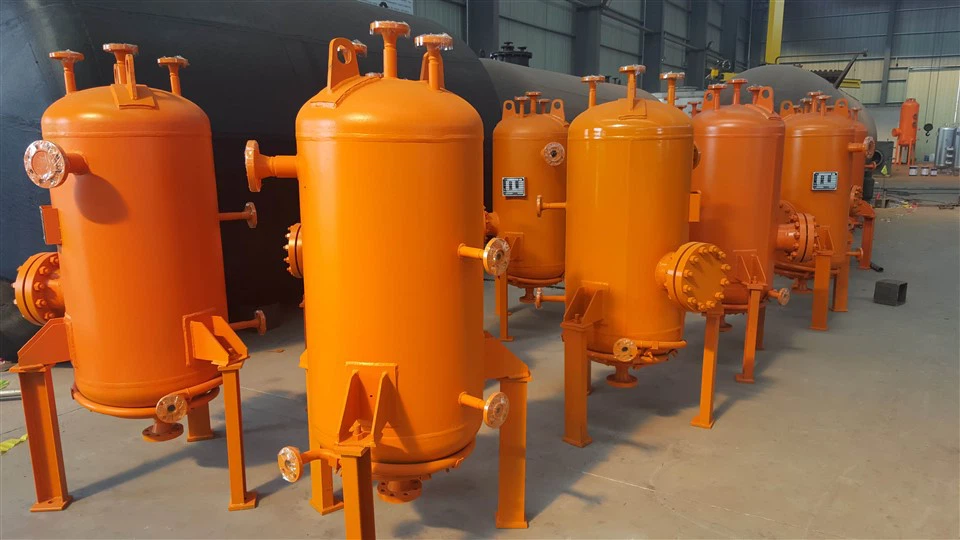

For example, the tank should have appropriate inlet and outlet connections to ensure smooth flow of the food - grade chemicals. The connections should be made of materials that are compatible with the stored chemicals to prevent corrosion and leakage. Additionally, the tank should have a proper ventilation system to prevent the buildup of pressure and ensure the safety of the stored chemicals.
The construction of the tank should also be of high quality. Welds should be well - made and inspected to ensure their integrity. The tank walls should be thick enough to withstand the pressure and any potential impacts.
Temperature and Pressure Considerations
Food - grade chemicals may require specific temperature and pressure conditions for storage. Some chemicals may need to be stored at low temperatures to maintain their stability, while others may need to be stored under pressure.
When selecting a storage tank, you need to ensure that it can maintain the required temperature and pressure conditions. For low - temperature storage, the tank may need to be insulated to prevent heat transfer. For pressure storage, the tank should be designed and constructed to withstand the specified pressure without any risk of rupture.
Safety Features
Safety is a top priority when it comes to storing food - grade chemicals. The storage tank should be equipped with various safety features to prevent accidents and protect the environment.
One important safety feature is a leak detection system. This system can detect even small leaks in the tank and alert you immediately, allowing you to take corrective action before the situation worsens. Another essential safety feature is an overfill prevention device. This device can prevent the tank from being overfilled, which can lead to spills and other safety hazards.
The tank should also have appropriate fire protection measures. For example, it may be equipped with fire - resistant coatings or located in a fire - protected area.
Maintenance and Inspection
Regular maintenance and inspection are essential to ensure the safe and efficient operation of the storage tank. The tank should be designed in such a way that it is easy to access for cleaning, repair, and inspection.
You should establish a maintenance schedule that includes tasks such as tank cleaning, inspection of valves and fittings, and checking for signs of corrosion or damage. Regular inspections can help detect potential problems early on and prevent them from developing into major issues.
Cost Considerations
Cost is always a factor when making a purchasing decision. However, it is important not to compromise on quality and safety in order to save money. While cheaper tanks may seem like a good option initially, they may end up costing you more in the long run due to maintenance issues, premature replacement, and potential safety risks.
When comparing the costs of different storage tanks, you should consider not only the initial purchase price but also the cost of installation, maintenance, and operation. Additionally, take into account the lifespan of the tank and the warranty offered by the supplier.
Our Product Range
As a chemical storage tank supplier, we offer a wide range of storage tanks suitable for food - grade chemicals. Our product portfolio includes Propane Tank, Liquid Storage Tank, and Liquid Chlorine Storage Tank. All our tanks are made of high - quality materials and are designed and constructed to meet the highest standards of safety and performance.
Our stainless steel tanks are known for their durability and corrosion resistance, making them ideal for storing a variety of food - grade chemicals. Our HDPE tanks, on the other hand, are lightweight and easy to install, and they are also suitable for many food - grade applications.
Conclusion
Selecting the right chemical storage tank for food - grade chemicals requires a comprehensive understanding of the chemical properties, regulatory requirements, capacity needs, design features, safety considerations, and cost factors. By carefully evaluating these factors and choosing a reliable supplier, you can ensure that you have a safe and efficient storage solution for your food - grade chemicals.
If you are in the market for a chemical storage tank for food - grade chemicals, we invite you to contact us for more information and to discuss your specific requirements. Our team of experts is ready to assist you in making the right choice and providing you with a high - quality storage solution.
References
- "Food Contact Substances: Regulatory Considerations" - Food and Drug Administration
- "Standards for Chemical Storage Tanks" - American Petroleum Institute
- "Best Practices for Food - Grade Chemical Storage" - Industry Research Reports