

How to choose the right size of a nitrogen storage tank?
Jan 15, 2026
Choosing the right size of a nitrogen storage tank is a critical decision that can significantly impact the efficiency, safety, and cost - effectiveness of your operations. As a nitrogen storage tank supplier with a wealth of experience in the industry, I understand the complexities involved in this selection process. In this blog, I will guide you through the key factors to consider when determining the appropriate size for your nitrogen storage tank.
1. Nitrogen Usage Requirements
The most fundamental step in choosing the right tank size is to accurately assess your nitrogen usage. This involves understanding both your current and future consumption needs. Start by calculating your daily, weekly, and monthly nitrogen usage. Consider the diverse applications of nitrogen in your facility, such as inerting, purging, or refrigeration.
For example, if you are using nitrogen for purging small batches of containers in a laboratory, your usage might be relatively low. On the other hand, large - scale industrial processes like food packaging or metal fabrication can require substantial amounts of nitrogen. If possible, collect historical data on nitrogen consumption over a certain period. This data will provide a clear picture of your usage patterns, including peak and off - peak times.
Anticipating future growth is also crucial. If your business is expanding, or if you plan to introduce new processes that rely on nitrogen, you need to factor in these increased requirements. A tank that is too small may lead to frequent refills, which can disrupt operations and increase costs. Conversely, an oversized tank will result in unnecessary capital expenditure and potentially higher maintenance costs.
2. Delivery Frequency and Supply Reliability
The frequency of nitrogen deliveries is closely related to tank size. If you have reliable nitrogen suppliers who can make frequent deliveries, you may opt for a smaller tank. However, this approach requires careful coordination to ensure that you never run out of nitrogen during critical operations.
In some areas, delivery schedules may be affected by factors such as weather conditions, traffic, or supplier capacity. In such cases, having a larger storage tank can act as a buffer against supply disruptions. A larger tank allows you to store enough nitrogen to cover your needs during periods of limited supply.
Another aspect to consider is the lead time for refills. If the lead time is long, a larger tank becomes even more essential. This way, you can maintain a continuous supply of nitrogen without having to worry about sudden shortages.
3. Space Constraints
Physical space is often a limiting factor when choosing a nitrogen storage tank. You need to have sufficient space for the tank installation, as well as for any necessary safety equipment and access for maintenance.
Measure the available area in your facility where the tank will be placed. Consider not only the horizontal space but also the vertical clearance. Some larger tanks may require significant height clearance for installation and to allow for proper ventilation.
In addition, think about the location of the tank. It should be placed in an area that is easily accessible for delivery trucks and maintenance personnel. Safety regulations also dictate certain distances from buildings, sources of ignition, and other equipment. Make sure to comply with all relevant local and national codes when deciding on the tank location.
4. Safety Considerations
Safety is of utmost importance when dealing with nitrogen storage tanks. The size of the tank can have a direct impact on safety. Larger tanks store more nitrogen, which means that in the event of a leak or other incident, the potential consequences can be more severe.
Ensure that your chosen tank size is compatible with the safety systems you have in place or plan to install. This includes pressure relief valves, leak detection systems, and fire suppression equipment. Larger tanks may require more sophisticated safety measures to prevent and mitigate potential hazards.
It is also essential to follow all safety guidelines and regulations regarding nitrogen storage. These regulations often specify maximum storage capacities based on the type of tank, location, and intended use. Failure to comply with these regulations can result in serious legal and safety issues.
5. Cost Factors
Cost is a significant consideration when choosing a nitrogen storage tank. The initial purchase price of the tank is directly related to its size. Larger tanks generally cost more than smaller ones. However, you need to look beyond the upfront cost and consider the long - term expenses.
A larger tank may require a higher initial investment, but it can lead to cost savings in the long run. For example, if you can reduce the frequency of nitrogen deliveries by using a larger tank, you may save on delivery fees. Additionally, a well - sized tank can help you avoid production disruptions, which can be costly in terms of lost productivity.
On the other hand, if you choose a tank that is too large for your needs, you will be paying for storage capacity that you don't fully utilize. This can result in wasted resources and higher upfront and maintenance costs.
Comparison with Other Storage Tanks
When considering nitrogen storage tanks, it can be helpful to compare them with other types of storage tanks, such as Propane Tank, Liquid Chlorine Storage Tank, and Deoxygenation Tower Reflux Tank. Each of these tanks has its own set of characteristics, usage requirements, and safety considerations.
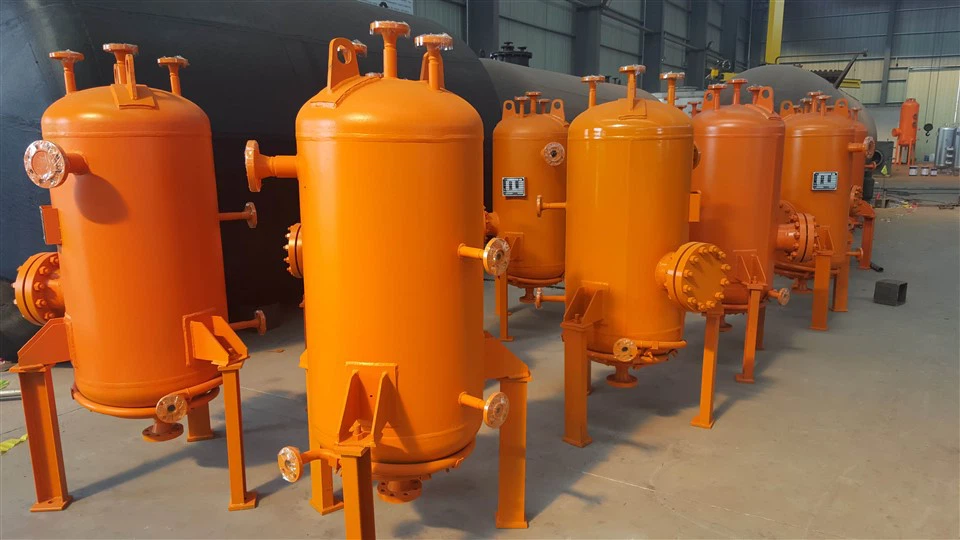

Propane tanks are commonly used for storing propane gas, which is used for heating, cooking, and powering certain types of vehicles. The sizing of propane tanks depends on factors such as the rate of propane consumption and the frequency of refills. Similar to nitrogen tanks, propane tanks need to be installed in a safe location and comply with specific safety regulations.
Liquid chlorine storage tanks are used in industries such as water treatment and chemical manufacturing. Chlorine is a highly reactive and toxic substance, so the design and sizing of these tanks must take into account strict safety measures. The size of a liquid chlorine storage tank is determined by the amount of chlorine needed for the process and the ability to handle potential leaks safely.
Deoxygenation tower reflux tanks are used in chemical processes to separate and recycle certain components. The size of these tanks is based on the volume of the reflux and the requirements of the chemical process. They need to be designed to handle the specific properties of the substances being stored.
Making the Right Choice
After carefully considering all the factors mentioned above, you should be in a better position to choose the right size of nitrogen storage tank for your needs. It is often beneficial to consult with a professional, such as an engineer or a representative from a nitrogen storage tank supplier.
As a nitrogen storage tank supplier, I am here to assist you in this decision - making process. Our team of experts can help you analyze your nitrogen usage, evaluate your space and safety requirements, and recommend the most suitable tank size for your operations.
If you are interested in purchasing a nitrogen storage tank or need more information about our products and services, please feel free to reach out. We are committed to providing high - quality nitrogen storage solutions that meet your specific needs.
References
- "Industrial Gas Storage and Handling Guidelines" by the American Gas Association.
- "Safety Standards for Chemical Storage Tanks" published by the Occupational Safety and Health Administration (OSHA).
- "Nitrogen Applications in Industry" from various industry research reports.