

How does temperature affect a stainless steel water tank?
Sep 23, 2025
Temperature is a critical environmental factor that can significantly impact the performance, durability, and functionality of stainless steel water tanks. As a supplier of Stainless Steel Water Tank, I've witnessed firsthand how temperature variations can bring about both positive and negative effects on these essential storage solutions. In this blog, we'll delve into the intricate relationship between temperature and stainless steel water tanks, exploring the scientific principles at play and offering practical insights for users and potential buyers.
Thermal Expansion and Contraction
One of the most fundamental ways temperature affects stainless steel water tanks is through thermal expansion and contraction. Stainless steel, like all metals, expands when heated and contracts when cooled. This physical property is governed by the coefficient of thermal expansion (CTE), which measures the fractional change in length or volume of a material per degree change in temperature.
When a stainless steel water tank is exposed to high temperatures, the metal expands. This expansion can put stress on the tank's structure, especially at joints, seams, and connections. Over time, repeated cycles of expansion and contraction can lead to fatigue cracking, which may compromise the tank's integrity and result in leaks. Conversely, when the temperature drops, the tank contracts, which can also cause stress and potentially damage the tank if it is not designed to accommodate these changes.
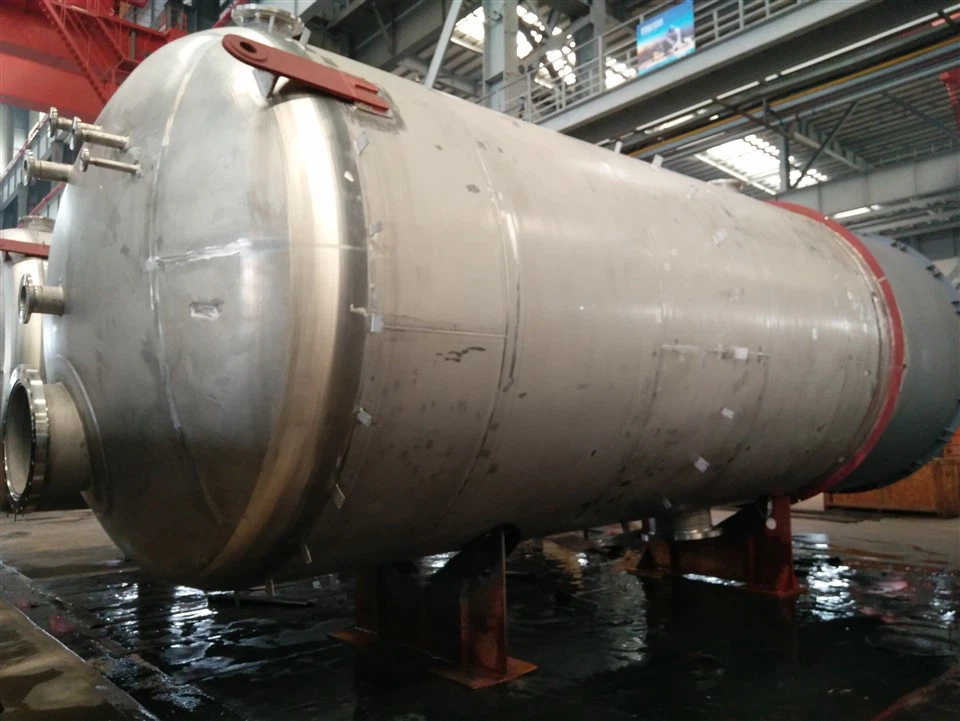
To mitigate the effects of thermal expansion and contraction, it's crucial to choose a stainless steel water tank that is properly designed and installed. For instance, tanks should be installed with sufficient clearance to allow for expansion and contraction. Additionally, flexible connectors can be used at joints to absorb the stress caused by temperature changes. At our company, we offer a range of Vertical Stainless Steel Storage Tank and Horizontal Stainless Steel Storage Tank that are engineered to withstand thermal stress and ensure long - term reliability.
Corrosion Rates
Temperature also plays a significant role in the corrosion process of stainless steel water tanks. Stainless steel is known for its corrosion resistance, which is primarily due to the presence of chromium in the alloy. Chromium forms a thin, passive oxide layer on the surface of the steel, which protects it from further oxidation and corrosion.
However, the rate of corrosion can increase with temperature. Higher temperatures can accelerate chemical reactions, including the breakdown of the passive oxide layer. When the passive layer is compromised, the underlying steel becomes more susceptible to corrosion. Factors such as the presence of oxygen, moisture, and contaminants in the water can also interact with temperature to influence corrosion rates.
In hot water applications, for example, the risk of corrosion is generally higher compared to cold water applications. The warmer water can carry more dissolved oxygen and other corrosive agents, which can attack the stainless steel surface. To combat this, it's important to select a high - quality stainless steel grade with a sufficient chromium and nickel content. Our stainless steel water tanks are made from premium grades of stainless steel that offer excellent corrosion resistance, even in high - temperature environments.

Water Quality and Temperature
The temperature of the water stored in a stainless steel tank can have a profound impact on water quality. Bacteria and other microorganisms thrive in warm water environments. When the water temperature in a tank rises above a certain level, it can create an ideal breeding ground for these organisms. For example, Legionella bacteria, which can cause Legionnaires' disease, prefer water temperatures between 25°C and 45°C (77°F - 113°F).
Maintaining the proper water temperature is essential for preventing the growth of harmful microorganisms. Cold water storage generally helps to inhibit microbial growth. If the tank is used for potable water storage, it's advisable to keep the water temperature below 20°C (68°F) to minimize the risk of bacterial contamination. On the other hand, if the water needs to be heated for specific applications, proper disinfection methods should be employed to ensure water safety.
Insulation and Energy Efficiency
To manage the effects of temperature on stainless steel water tanks, insulation is a crucial consideration. Insulating a tank can help to maintain a stable water temperature, reduce energy consumption, and protect the tank from extreme temperature fluctuations.
In cold climates, insulation prevents the water in the tank from freezing, which can cause the tank to rupture. By keeping the water warm, less energy is required to heat the water when it is needed. In hot climates, insulation can prevent the water from overheating, which can improve water quality and reduce the risk of corrosion.
Our company offers insulated stainless steel water tanks that are designed to provide optimal energy efficiency. The insulation materials used are of high quality and are carefully selected to ensure maximum thermal performance. This not only benefits the end - user in terms of cost savings but also extends the lifespan of the tank by reducing the stress caused by temperature variations.
Structural Integrity and Temperature - Induced Stress
The structural integrity of a stainless steel water tank is closely related to the stress it experiences due to temperature changes. High - temperature gradients within the tank can create uneven stress distribution. For example, if one part of the tank is exposed to direct sunlight while another part is shaded, the resulting temperature difference can cause differential expansion and contraction, leading to internal stress.
This stress can be particularly problematic in large - scale tanks or tanks with complex geometries. To ensure the structural integrity of our tanks, we conduct thorough engineering analyses during the design phase. Finite element analysis (FEA) is used to simulate the effects of temperature - induced stress on the tank's structure. This allows us to optimize the design, thickness, and shape of the tank to withstand these stresses.
Impact on Tank Components
Temperature can also affect the performance of various components associated with stainless steel water tanks. For example, gaskets, seals, and valves can be sensitive to temperature changes. High temperatures can cause gaskets to degrade and lose their sealing properties, leading to leaks. Similarly, the operation of valves can be affected by extreme temperatures, which may cause them to malfunction.
When selecting tank components, it's important to choose ones that are rated for the expected temperature range. At our company, we source high - quality components that are designed to perform reliably under different temperature conditions. This ensures that the entire tank system, from the tank itself to its associated components, functions smoothly and efficiently.
Conclusion
In conclusion, temperature has a multifaceted impact on stainless steel water tanks. From thermal expansion and contraction to corrosion rates, water quality, and structural integrity, every aspect of a tank's performance can be influenced by temperature. As a leading supplier of Stainless Steel Water Tank, we understand the importance of these factors and are committed to providing our customers with high - quality, temperature - resistant tank solutions.
Whether you're looking for a Vertical Stainless Steel Storage Tank for industrial applications or a Horizontal Stainless Steel Storage Tank for residential use, we have the expertise and products to meet your needs. If you're interested in learning more about our stainless steel water tanks or have specific requirements regarding temperature management, we encourage you to contact us for a detailed consultation. Our team of experts is ready to assist you in selecting the right tank for your application and ensuring its long - term performance.
References
- ASM Handbook, Volume 13A: Corrosion, ASM International
- "Stainless Steel in Building Construction" by R. C. Cochrane
- "Water Quality and Health" by World Health Organization