

Do stainless steel water tanks require maintenance?
Oct 14, 2025
Hey there! As a supplier of Stainless Steel Water Tanks, I often get asked, "Do stainless steel water tanks require maintenance?" Well, let's dive right into it and find out.
First off, stainless steel is known for its durability and corrosion - resistance. That's one of the main reasons why it's such a popular choice for water tanks. Unlike some other materials, stainless steel can withstand the test of time and various environmental conditions without easily rusting or deteriorating. But that doesn't mean it's completely maintenance - free.
General Inspection
Regular visual inspections are a must - have for stainless steel water tanks. You should take a look at the tank at least once a year, or more frequently if the tank is in a harsh environment. Check for any signs of physical damage, like dents or scratches. These might seem minor at first, but over time, they could potentially lead to more serious issues.
For example, a deep scratch could expose the underlying layers of the stainless steel to the water and the environment. This might increase the risk of corrosion in that specific area. If you notice any dents, they could affect the structural integrity of the tank, especially if they're in critical load - bearing areas.
Cleaning the Tank
Cleaning is another important aspect of maintenance. Over time, sediment, dirt, and other debris can accumulate at the bottom of the tank. This not only takes up space in the tank but can also harbor bacteria and other harmful microorganisms.
To clean the tank, you'll first need to empty it. Make sure to follow all the proper safety procedures when doing this. Once the tank is empty, you can use a mild detergent and a soft brush to scrub the interior walls. Avoid using abrasive materials as they can scratch the stainless steel surface. After scrubbing, rinse the tank thoroughly with clean water to remove all traces of the detergent.
Checking the Fittings and Connections
The fittings and connections of the water tank also need attention. This includes things like valves, pipes, and seals. Check for any leaks around these areas. A small leak might not seem like a big deal, but it can lead to water wastage and, in some cases, damage to the surrounding area.
If you find a leak, it's important to fix it as soon as possible. Sometimes, it could be as simple as tightening a loose connection. Other times, you might need to replace a worn - out seal or valve. Regularly lubricating the moving parts of the fittings can also help prevent them from seizing up and ensure smooth operation.
Maintaining the Coating (if applicable)
Some stainless steel water tanks come with a special coating for added protection. If your tank has such a coating, it's important to maintain it. Check for any signs of peeling or damage to the coating. If you notice any issues, you might need to have the coating reapplied. A damaged coating can reduce the tank's resistance to corrosion and other environmental factors.
Factors Affecting Maintenance Requirements
The maintenance requirements of a stainless steel water tank can vary depending on several factors.
The quality of the water stored in the tank is a major factor. If the water has a high mineral content, it can leave deposits on the tank walls over time. These deposits can be more difficult to clean and might require more frequent maintenance. Similarly, if the water is contaminated with chemicals or other pollutants, it can have a negative impact on the tank's condition.
The location of the tank also matters. If the tank is installed in an area with high humidity, it might be more prone to corrosion. Tanks in coastal areas are also at a higher risk because of the salt in the air. On the other hand, a tank installed in a dry, clean environment will generally require less maintenance.
Types of Stainless Steel Water Tanks and Their Maintenance
We offer different types of stainless steel water tanks, such as Horizontal Stainless Steel Storage Tank, Stainless Steel Water Tank, and Vertical Stainless Steel Storage Tank.
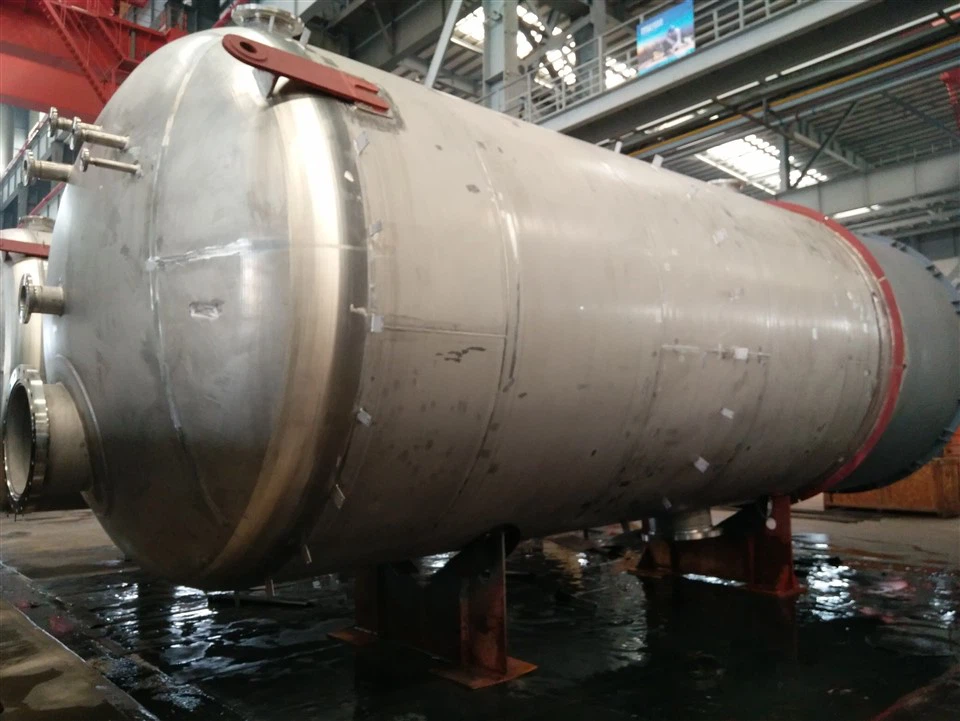
Horizontal stainless steel storage tanks are often used in applications where space is limited horizontally. Their maintenance is similar to other types of tanks, but you need to pay special attention to the support structures. Since they're laid horizontally, the weight distribution is different, and the supports need to be in good condition to prevent any sagging or damage.
Vertical stainless steel storage tanks are taller and more space - efficient in terms of floor area. When maintaining these tanks, you need to be extra careful when accessing the upper parts for inspection and cleaning. You might need to use proper safety equipment like ladders or scaffolding.
Benefits of Regular Maintenance
Regular maintenance of stainless steel water tanks has several benefits. Firstly, it extends the lifespan of the tank. By taking good care of the tank, you can prevent major issues like corrosion and structural damage, which can significantly reduce the tank's useful life.
Secondly, it ensures the quality of the water stored in the tank. A well - maintained tank is less likely to harbor harmful bacteria and other contaminants, which means the water you use is safer and cleaner.

Finally, it can save you money in the long run. By catching and fixing small problems early, you can avoid expensive repairs or even having to replace the entire tank.
Conclusion
So, to answer the question, yes, stainless steel water tanks do require maintenance. But the good news is that with regular inspections, proper cleaning, and timely repairs, you can keep your tank in top condition for many years.
If you're in the market for a high - quality stainless steel water tank or need more information about maintenance, feel free to reach out. We're here to help you make the best choice for your water storage needs and ensure that you get the most out of your investment.
References
- "Stainless Steel Handbook" - A comprehensive guide on the properties and maintenance of stainless steel.
- Industry standards and guidelines for water tank maintenance.