

Do stainless steel water tanks have a good anti - static property?
Sep 07, 2026
Stainless steel water tanks are a popular choice for water storage due to their durability, corrosion resistance, and long - term performance. One question that often comes up is whether these tanks have good anti - static properties. As a stainless steel water tank supplier, I've dealt with this question a lot, so let's dig into it.
First off, it's important to understand what static electricity is. Static electricity occurs when there's an imbalance of electric charges within or on the surface of a material. This imbalance can build up when two materials come into contact and then separate, or through processes like friction, induction, or conduction. In the context of water tanks, static electricity can be a concern, especially in environments where there's a risk of fire or explosion, or when dealing with sensitive electronic equipment.
Stainless steel, as a material, has some characteristics that make it relevant to anti - static performance. It's an alloy mainly composed of iron, chromium, nickel, and other elements. The presence of chromium gives stainless steel its corrosion - resistant properties, and its overall metallic structure affects its electrical conductivity.
Metals like stainless steel are generally good conductors of electricity. Unlike insulators, which can easily accumulate static charges, conductors allow charges to move freely across their surface. When a charge is introduced to a stainless steel water tank, the electrons can quickly redistribute themselves to balance out the charge. This means that static electricity is less likely to build up on the surface of a stainless steel water tank compared to materials that are poor conductors, such as plastics.
However, whether a stainless steel water tank has "good" anti - static properties also depends on several factors.
One such factor is the surface finish of the tank. A smooth surface finish on a stainless steel tank can enhance its anti - static performance. A rough surface can create areas where charges might accumulate more easily. During the manufacturing process, we pay close attention to the surface finish of our tanks. We use advanced polishing techniques to ensure that the surface is as smooth as possible, which helps in preventing static charge buildup.
The environment in which the tank is used also matters. In a dry environment, the risk of static electricity is generally higher because there's less moisture in the air to help dissipate charges. On the other hand, in a humid environment, the water vapor in the air can act as a conductor to some extent, helping to reduce static charge buildup. If a stainless steel water tank is installed in a very dry area, additional measures may need to be taken to ensure good anti - static performance, such as grounding the tank.
Grounding is a crucial step to enhance the anti - static properties of a stainless steel water tank. By connecting the tank to the ground, any static charges that do build up on the tank can be safely discharged into the ground. It's like providing a path of least resistance for the electrons. At our company, we always recommend proper grounding for all our stainless steel water tanks, especially in high - risk environments.
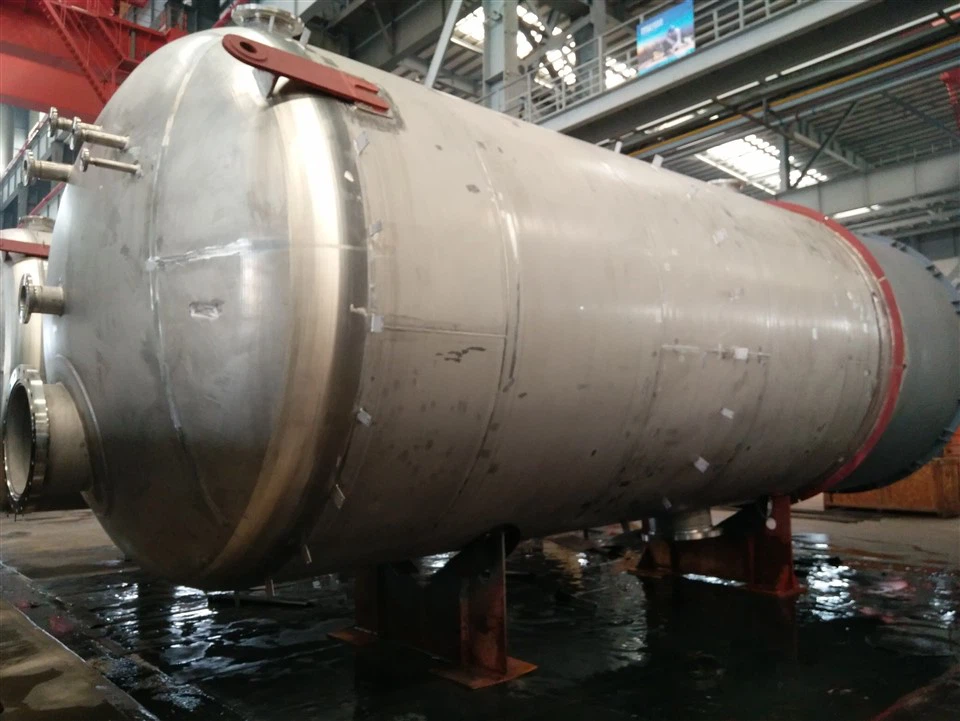
Now, let's talk about the different types of stainless steel water tanks we offer. We have Vertical Stainless Steel Storage Tank and Horizontal Stainless Steel Storage Tank. Both types are made from high - quality stainless steel and have been designed with anti - static considerations in mind. The choice between vertical and horizontal tanks depends on the available space, the specific application, and other requirements of the customer.
Our Stainless Steel Water Tank range is suitable for a wide variety of applications, from domestic water storage to industrial use. For domestic use, the anti - static property might not be as critical as in industrial settings. However, in industrial applications where there may be flammable materials or sensitive equipment nearby, the anti - static performance of the tank can be a major factor.
In the food and beverage industry, for example, stainless steel water tanks are commonly used for storing water and liquid ingredients. Static electricity can potentially attract dust and other contaminants, which is a big no - no in a hygienic environment. Our stainless steel tanks, with their good anti - static properties and smooth finish, help prevent such issues.
In the chemical industry, where there are often flammable chemicals, static electricity can be extremely dangerous. A spark from static charge can lead to a fire or explosion. Our stainless steel water tanks, when properly grounded and maintained, can significantly reduce the risk associated with static electricity build - up.
To sum it up, stainless steel water tanks generally have good anti - static properties because of the conductive nature of stainless steel. However, surface finish, the environment, and proper grounding all play important roles in ensuring optimal anti - static performance.
If you're looking for high - quality stainless steel water tanks with reliable anti - static performance, you're in the right place. We've been in the business for a long time, and our products are designed and manufactured with the highest standards in mind. Whether you need a small domestic tank or a large industrial one, we can provide you with the perfect solution. If you have any questions or are interested in purchasing our stainless steel water tanks, don't hesitate to reach out to us for a detailed discussion and further information.

References
- "Metallurgy of Stainless Steel" - A comprehensive guide on the properties and composition of stainless steel.
- "Static Electricity in Industrial Environments" - A study on the risks and prevention of static electricity in different industries.