

Can a stainless steel water tank be used in salt - water environments?
Sep 11, 2025
Hey there! As a supplier of Stainless Steel Water Tanks, I often get asked if our tanks can be used in salt - water environments. It's a valid question, especially considering the harsh nature of salt water and its potential impact on materials. So, let's dive right in and explore this topic.
First off, let's understand what stainless steel is. Stainless steel is an alloy made up of iron, chromium, and sometimes other elements like nickel and molybdenum. The chromium in stainless steel forms a thin, protective layer of chromium oxide on the surface of the metal. This layer is what gives stainless steel its corrosion - resistant properties. When the surface is scratched, the chromium in the steel reacts with oxygen in the air to quickly reform this protective layer.
Now, salt water is a different ballgame. Salt water contains a high concentration of chloride ions. Chloride ions can break down the protective chromium oxide layer on stainless steel. Once this layer is compromised, the underlying metal is exposed to the corrosive effects of the salt water. This can lead to pitting corrosion, where small holes form on the surface of the steel, and crevice corrosion, which occurs in tight spaces like joints and seams.
But that doesn't mean stainless steel water tanks can't be used in salt - water environments at all. It depends on the grade of stainless steel used. There are different grades of stainless steel, and some are more resistant to chloride - induced corrosion than others.
For example, 304 stainless steel is a common grade used in many applications. It has decent corrosion resistance, but it's not the best choice for long - term use in salt - water environments. In salt water, 304 stainless steel can start to show signs of corrosion relatively quickly, especially in areas with high salt concentrations or where the water is stagnant.
On the other hand, 316 stainless steel is a better option. It contains molybdenum, which enhances its resistance to chloride - induced corrosion. 316 stainless steel can withstand salt - water exposure for a longer period compared to 304. However, even 316 stainless steel isn't completely immune to corrosion in salt - water. Over time, especially in extremely harsh conditions, it can still develop corrosion issues.
There are also super - duplex stainless steels, which are even more resistant to corrosion. These grades have a higher content of chromium, molybdenum, and nitrogen, making them very suitable for use in salt - water environments. They are often used in marine applications, such as offshore oil rigs and ships. But super - duplex stainless steels are more expensive than standard grades like 304 and 316.
If you're planning to use a stainless steel water tank in a salt - water environment, there are some precautions you can take. First, choose the right grade of stainless steel. As I mentioned, 316 or a super - duplex grade would be a better choice than 304. Second, proper maintenance is crucial. Regularly inspect the tank for any signs of corrosion, such as discoloration or pitting. Clean the tank regularly to remove any salt deposits, as these can accelerate the corrosion process.
Another important factor is the design of the tank. Tanks with smooth surfaces and fewer crevices are less likely to develop crevice corrosion. Make sure the joints and seams are well - sealed to prevent salt water from getting trapped.
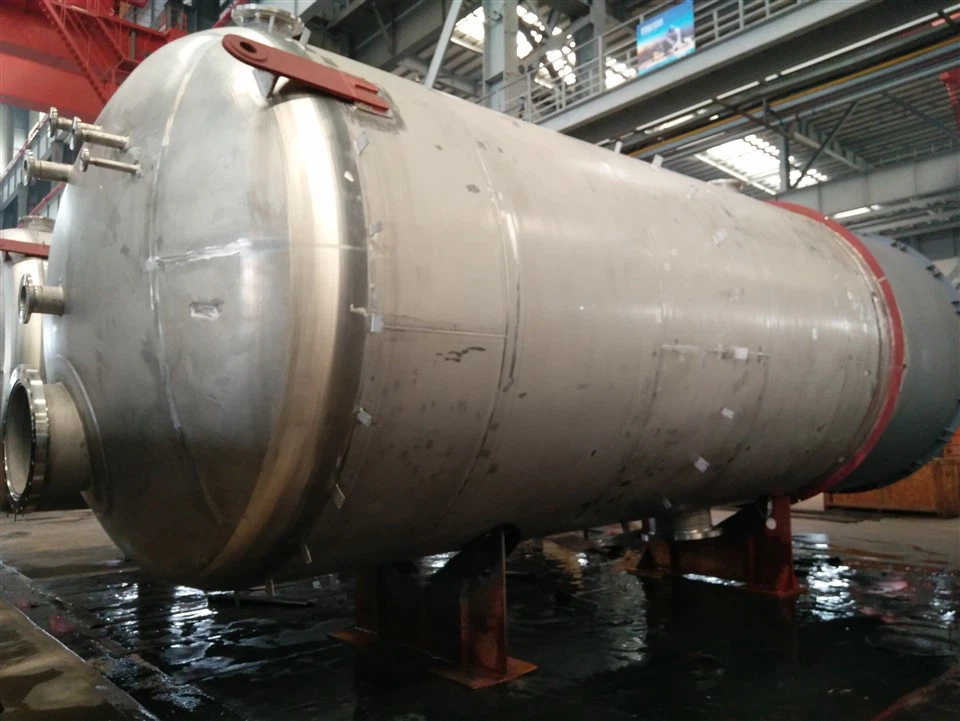
At our company, we offer a range of stainless steel water tanks suitable for different environments. Our Vertical Stainless Steel Storage Tank and Horizontal Stainless Steel Storage Tank are available in different grades of stainless steel, including 316 and higher - performance options. You can check out our Stainless Steel Water Tank product page for more details.
If you're in an area with a salt - water environment and need a reliable water tank, don't hesitate to reach out. We can help you choose the right tank based on your specific needs and the conditions it will be exposed to. Whether it's for a coastal home, a marine facility, or an industrial application near the sea, we've got you covered.
In conclusion, while stainless steel water tanks can be used in salt - water environments, it's important to choose the right grade of stainless steel and take proper precautions. With the right tank and maintenance, you can ensure a long - lasting and reliable water storage solution.
If you're interested in learning more or making a purchase, feel free to contact us. We're here to assist you with all your stainless steel water tank needs.

References
- ASM Handbook Committee. (2004). ASM Handbook Volume 13A: Corrosion: Fundamentals, Testing, and Protection. ASM International.
- Uhlig, H. H., & Revie, R. W. (1985). Corrosion and Corrosion Control: An Introduction to Corrosion Science and Engineering. Wiley - Interscience.