

Can a stainless steel water tank be used for rainwater harvesting?
Dec 26, 2025
As a supplier of Stainless Steel Water Tanks, I'm often asked whether our products are suitable for rainwater harvesting. It's a question that delves into practicality, environmental sustainability, and long - term efficiency. Today, I'll explore the viability of using stainless steel water tanks for collecting rainwater.
The Basics of Rainwater Harvesting
Rainwater harvesting is the collection and storage of rainwater for later use. This practice has been employed for centuries and is an effective way to conserve water, particularly in regions where water scarcity is a concern or for those aiming to reduce their reliance on municipal water supplies. The harvested rainwater can be used for various non - potable purposes, such as watering gardens, flushing toilets, and doing laundry.
Why Stainless Steel Water Tanks are Ideal for Rainwater Harvesting
Durability
One of the primary advantages of using stainless steel for rainwater collection is its durability. Stainless steel is highly resistant to corrosion, which is a significant concern when storing water over long periods. Unlike some other materials, such as plastic or concrete, stainless steel won't rust or degrade due to the presence of water, oxygen, or other chemicals that might be present in rainwater. This means that a stainless steel water tank can have a lifespan of several decades, providing a long - term solution for rainwater storage.
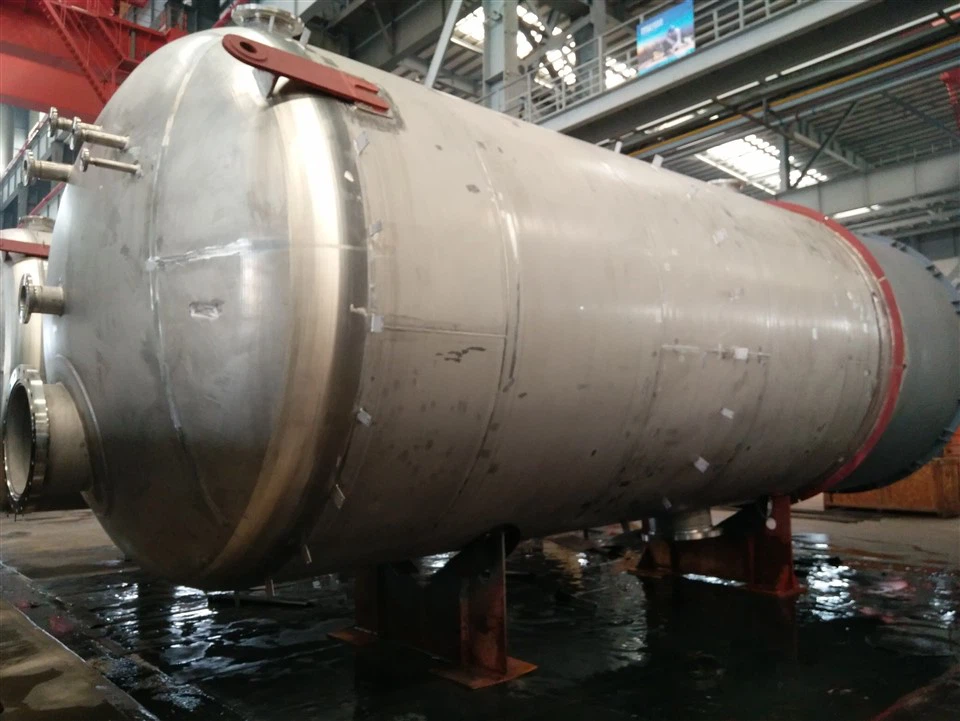

Hygiene
Stainless steel is a non - porous material, which makes it inhospitable to the growth of bacteria, algae, and fungi. These organisms can thrive in water storage systems, leading to unpleasant odors, discoloration, and even health risks if the water is used for certain purposes. The smooth surface of stainless steel tanks makes them easy to clean, ensuring that the stored rainwater remains relatively clean and free from contaminants.
Strength
Stainless steel has excellent strength - to - weight ratio. This allows us to design tanks that can withstand significant external pressures, whether it's the weight of the water inside or the forces exerted by the environment. For example, in areas with heavy snowfall or strong winds, a stainless steel tank can maintain its structural integrity better than tanks made from other materials.
Flexibility in Design
We offer a wide range of Vertical Stainless Steel Storage Tanks and Horizontal Stainless Steel Storage Tanks. This flexibility in design means that we can provide a solution that fits your specific space requirements. Whether you have a large backyard or a small rooftop area, there is a stainless steel tank that can be installed to collect and store rainwater effectively.
Considerations When Using Stainless Steel Tanks for Rainwater Harvesting
Initial Cost
It's true that stainless steel water tanks generally have a higher upfront cost compared to some other types of water storage containers. However, when you consider the long - term benefits such as durability and low maintenance, the investment can be well worth it. Over time, the cost savings from not having to replace the tank frequently can offset the initial expense.
Water Quality Treatment
While stainless steel tanks help maintain good water quality, rainwater still needs some level of treatment before it can be used for certain applications. Rainwater can pick up dust, debris, and pollutants as it falls through the atmosphere and runs off rooftops. Simple filtration systems can be installed to remove larger particles, and more advanced treatment options may be required for potable use.
Installation
Proper installation is crucial for the effective operation of a rainwater harvesting system with a stainless steel tank. The tank should be placed on a stable foundation to prevent any structural damage. Additionally, the connection between the tank and the rainwater collection system, such as gutters and downspouts, needs to be well - sealed to prevent leaks.
Case Studies
Let's look at a few real - world examples of how stainless steel water tanks are being used for rainwater harvesting.
In a residential area of a drought - prone region, a family installed a vertical stainless steel storage tank to collect rainwater from their rooftop. They used the harvested water for watering their garden, which previously relied entirely on municipal water. Over the course of a year, they were able to reduce their water bill by a significant amount. The tank's durability ensured that it could withstand the harsh weather conditions in the area, and the ease of cleaning kept the water in good condition.
A commercial building also decided to invest in a horizontal stainless steel storage tank for rainwater harvesting. The collected water was used for flushing toilets and cooling systems, reducing the building's demand for municipal water. This not only led to cost savings but also contributed to the building's environmental sustainability goals.
Conclusion
In conclusion, stainless steel water tanks are an excellent choice for rainwater harvesting. Their durability, hygiene, strength, and design flexibility make them well - suited for storing rainwater for various applications. While there are some considerations such as initial cost, water quality treatment, and proper installation, the long - term benefits far outweigh these potential drawbacks.
If you're considering rainwater harvesting and are in the market for a reliable water storage solution, I encourage you to reach out to discuss your specific needs. Whether you need a small tank for a residential property or a large tank for a commercial project, we have the expertise and products to meet your requirements. Simply visit our website Stainless Steel Water Tank for more information and start the journey towards sustainable water management with our stainless steel water tanks.
References
- Crittenden, J. C., Trussell, R. R., Hand, D. W., Howe, K. J., & Tchobanoglous, G. (2012). MWH's Water Treatment: Principles and Design. Wiley.
- Fennessey, N. M., & Hawkins, D. A. (2018). Rainwater harvesting systems and design. CRC Press.