

Can a stainless steel water tank be used for a water purification system?
Jul 15, 2026
Can a stainless steel water tank be used for a water purification system?
In the realm of water management and purification, the choice of storage solutions is crucial. As a supplier of Stainless Steel Water Tanks, I often encounter questions about the suitability of stainless steel water tanks for water purification systems. This blog aims to delve into this topic, exploring the benefits, considerations, and practical applications of using stainless steel water tanks in water purification setups.
Benefits of Using Stainless Steel Water Tanks in Water Purification Systems
Corrosion Resistance
One of the primary advantages of stainless steel water tanks is their exceptional corrosion resistance. Water purification systems often deal with various chemicals and treated water, which can be corrosive to many materials. Stainless steel, with its chromium-rich surface layer, forms a passive oxide film that protects the tank from rust and corrosion. This ensures the longevity of the tank and prevents the contamination of the purified water. For example, in a reverse osmosis water purification system, where the water is treated to remove impurities, a stainless steel tank can safely store the purified water without the risk of corrosion affecting the water quality.
Hygiene and Cleanliness
Stainless steel is a non-porous material, which means it does not absorb or harbor bacteria, fungi, or other contaminants. This makes it an ideal choice for storing purified water. The smooth surface of stainless steel is easy to clean and sanitize, reducing the risk of microbial growth. In a water purification system, maintaining high levels of hygiene is essential to ensure the safety and quality of the water. Stainless steel water tanks help meet these requirements by providing a clean and safe storage environment.
Strength and Durability
Stainless steel water tanks are known for their strength and durability. They can withstand high pressures and extreme temperatures, making them suitable for various water purification applications. Whether it's a small-scale residential water purification system or a large industrial setup, stainless steel tanks can handle the demands of the system. Their robust construction also ensures that they can resist physical damage, such as impacts and vibrations, which may occur during installation or operation.

Aesthetic Appeal
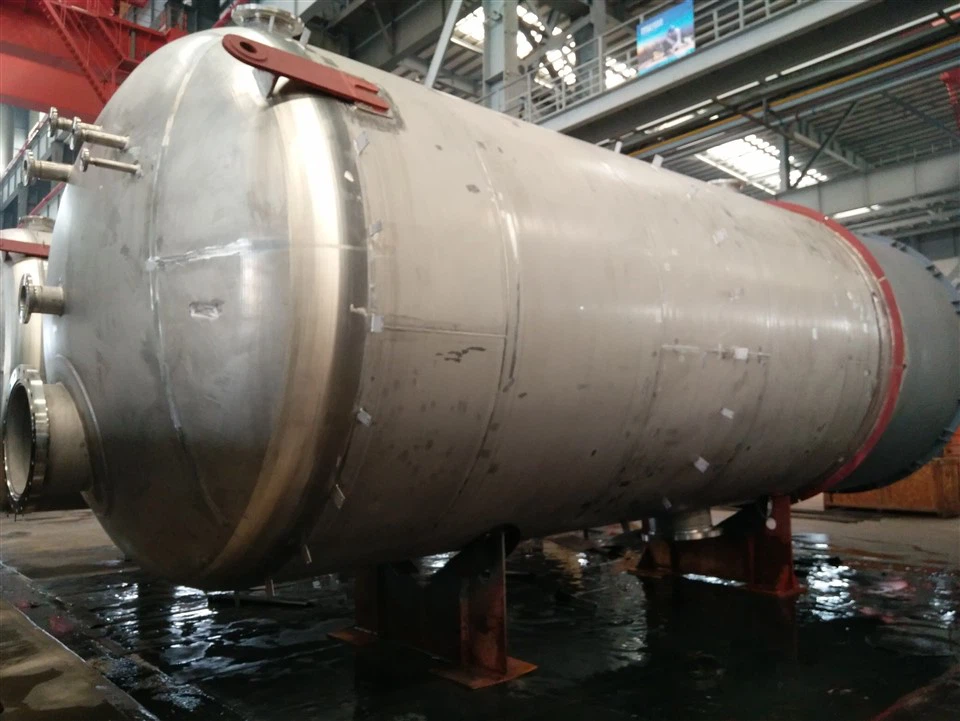
In addition to their functional benefits, stainless steel water tanks offer an aesthetically pleasing appearance. They have a sleek and modern look that can enhance the overall visual appeal of a water purification system. This is particularly important in commercial and residential settings where the tank may be visible. The clean and shiny surface of stainless steel gives a professional and high-quality impression.
Considerations When Using Stainless Steel Water Tanks in Water Purification Systems
Material Grade
Not all stainless steel is created equal. Different grades of stainless steel have varying levels of corrosion resistance and other properties. When selecting a stainless steel water tank for a water purification system, it's important to choose the appropriate grade. For example, 304 and 316 stainless steel are commonly used in water storage applications. 316 stainless steel, in particular, offers better corrosion resistance in environments with high chloride content, such as coastal areas or systems that use chlorine for water treatment.
Tank Design and Size
The design and size of the stainless steel water tank should be carefully considered based on the specific requirements of the water purification system. Factors such as the flow rate of the purification process, the storage capacity needed, and the available space for installation all play a role in determining the appropriate tank design and size. For instance, a large industrial water purification system may require a Vertical Stainless Steel Storage Tank with a high storage capacity, while a small residential system may be better suited to a Horizontal Stainless Steel Storage Tank.
Installation and Maintenance
Proper installation and maintenance are essential for the optimal performance of a stainless steel water tank in a water purification system. The tank should be installed by a qualified professional to ensure that it is level, secure, and properly connected to the purification system. Regular maintenance, including cleaning, inspection, and testing, is also necessary to keep the tank in good condition and prevent any issues that may affect the water quality.
Practical Applications of Stainless Steel Water Tanks in Water Purification Systems
Residential Water Purification
In residential settings, stainless steel water tanks are commonly used in conjunction with water purification systems such as reverse osmosis, water softeners, and carbon filtration systems. These tanks store the purified water for later use, providing a reliable supply of clean and safe water for drinking, cooking, and other household needs. The corrosion resistance and hygiene properties of stainless steel make it an ideal choice for residential water storage.
Commercial and Industrial Water Purification
In commercial and industrial applications, stainless steel water tanks are used in a wide range of water purification systems, including those for food and beverage production, pharmaceutical manufacturing, and power generation. These systems require high-quality water storage solutions to ensure the purity and safety of the water used in the production processes. Stainless steel tanks can meet these requirements by providing a durable and hygienic storage environment.
Conclusion
In conclusion, stainless steel water tanks are an excellent choice for water purification systems. Their corrosion resistance, hygiene, strength, and aesthetic appeal make them a reliable and practical option for storing purified water. However, it's important to consider factors such as material grade, tank design and size, and installation and maintenance when selecting a stainless steel water tank for a water purification system.
If you are in the market for a stainless steel water tank for your water purification system, we are here to help. Our company offers a wide range of high-quality Stainless Steel Water Tanks in various sizes and designs to meet your specific needs. Contact us today to discuss your requirements and explore the options available.
References
- ASM International. (2002). Stainless Steels. ASM Handbook, Volume 13A: Corrosion.
- Water Quality Association. (2019). Water Treatment Basics.
- National Sanitation Foundation. (2020). NSF/ANSI 61: Drinking Water System Components - Health Effects.