

Are stainless steel water tanks suitable for large - scale water storage?
Sep 30, 2025
Are stainless steel water tanks suitable for large - scale water storage?
As a supplier of Stainless Steel Water Tanks, I've witnessed firsthand the growing demand for reliable large - scale water storage solutions. In this blog, I'll delve into the question of whether stainless steel water tanks are suitable for large - scale water storage, exploring their advantages, potential drawbacks, and real - world applications.
Advantages of Stainless Steel Water Tanks for Large - Scale Storage
Durability
Stainless steel is renowned for its exceptional durability. It can withstand harsh environmental conditions, including extreme temperatures, corrosion, and physical impacts. In large - scale water storage scenarios, where the tank may be exposed to the elements for extended periods, this durability is crucial. Unlike other materials such as plastic or concrete, stainless steel does not degrade over time, ensuring a long service life. For instance, in industrial settings where large amounts of water are stored for cooling or processing purposes, a stainless steel water tank can last for decades without significant wear and tear.
Hygiene
When it comes to storing water, especially for potable use, hygiene is of utmost importance. Stainless steel is a non - porous material, which means it does not harbor bacteria, fungi, or other contaminants. This makes it an ideal choice for large - scale water storage in applications such as municipal water supplies or food and beverage industries. The smooth surface of stainless steel also makes it easy to clean and maintain, reducing the risk of waterborne diseases.
Strength and Structural Integrity
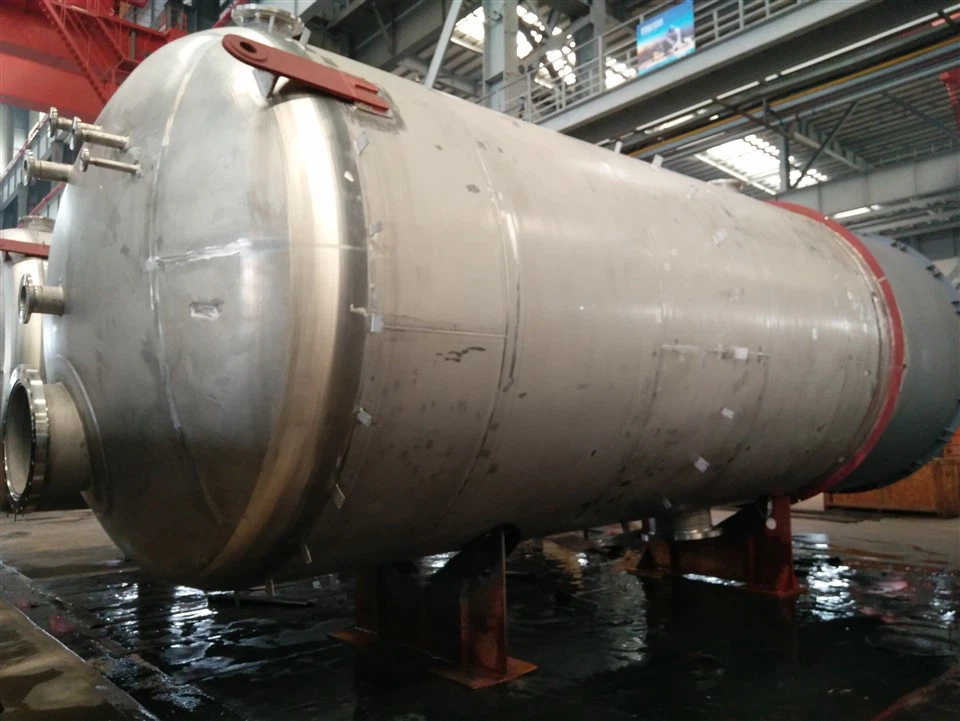
Large - scale water storage requires tanks that can hold a substantial amount of weight. Stainless steel has high strength - to - weight ratio, allowing it to support large volumes of water without significant deformation. Whether it's a Horizontal Stainless Steel Storage Tank or a Vertical Stainless Steel Storage Tank, stainless steel can be engineered to meet the specific structural requirements of the project. This is particularly important in earthquake - prone areas or locations with high wind loads, where the tank needs to remain stable under stress.
Customizability
One of the key advantages of stainless steel water tanks is their high degree of customizability. They can be fabricated in various shapes, sizes, and capacities to meet the unique needs of different projects. For large - scale applications, this means that the tank can be designed to fit the available space and the specific water storage requirements. Whether it's a cylindrical tank for above - ground storage or a rectangular tank for underground installation, stainless steel can be tailored to the project's specifications.
Corrosion Resistance
Stainless steel contains chromium, which forms a passive oxide layer on the surface of the metal. This layer protects the steel from corrosion, even in harsh chemical environments. In large - scale water storage, where the water may contain chemicals or have a high mineral content, corrosion resistance is essential. Stainless steel water tanks can be used to store water in industrial processes, such as in power plants or chemical factories, without the risk of corrosion damage.
Potential Drawbacks of Stainless Steel Water Tanks for Large - Scale Storage
Initial Cost
One of the main drawbacks of stainless steel water tanks is their relatively high initial cost compared to other materials. The cost of stainless steel itself is higher than that of plastic or concrete, and the fabrication process also requires specialized equipment and skilled labor. However, it's important to consider the long - term benefits of stainless steel, such as its durability and low maintenance requirements, which can offset the initial investment over time.
Installation Complexity
Installing a large - scale stainless steel water tank can be a complex process. It requires careful planning, proper foundation preparation, and precise installation techniques. In some cases, specialized equipment may be needed to lift and position the tank. This can add to the overall cost and time of the project. However, working with an experienced installation team can help ensure a smooth and efficient installation process.
Thermal Conductivity
Stainless steel has a relatively high thermal conductivity, which means that it can transfer heat more easily than some other materials. In large - scale water storage, this can be a disadvantage in applications where temperature control is important. For example, in a cold climate, the water in a stainless steel tank may freeze more quickly than in a tank made of a more insulating material. However, this issue can be mitigated by using insulation materials around the tank.

Real - World Applications of Stainless Steel Water Tanks in Large - Scale Storage
Municipal Water Supply
Stainless steel water tanks are widely used in municipal water supply systems for large - scale water storage. They provide a reliable and hygienic solution for storing potable water, ensuring a continuous supply to the community. These tanks can be installed above - ground or underground, depending on the available space and the specific requirements of the water distribution system.
Industrial Water Storage
In industrial settings, stainless steel water tanks are used for a variety of applications, such as storing process water, cooling water, or wastewater. Their durability and corrosion resistance make them suitable for use in harsh industrial environments. For example, in a chemical plant, a stainless steel water tank can store water used in chemical reactions without the risk of contamination or corrosion.
Agricultural Water Storage
Large - scale stainless steel water tanks are also used in agriculture for storing irrigation water. They can be installed on farms to provide a reliable water supply for crops, especially in areas with limited water resources. The customizability of stainless steel tanks allows them to be designed to fit the specific needs of the farm, such as the available space and the water storage capacity required.
Conclusion
In conclusion, stainless steel water tanks are highly suitable for large - scale water storage in many applications. Their durability, hygiene, strength, customizability, and corrosion resistance make them a reliable choice for storing large volumes of water. While they do have some potential drawbacks, such as high initial cost and installation complexity, these can be managed with proper planning and investment.
If you're considering a large - scale water storage project, I encourage you to explore the benefits of Stainless Steel Water Tanks. Our company has extensive experience in supplying and installing high - quality stainless steel water tanks, and we can work with you to design a solution that meets your specific needs. Contact us today to start the conversation about your water storage requirements.
References
- ASME Boiler and Pressure Vessel Code. American Society of Mechanical Engineers.
- ASTM International Standards for Stainless Steel. ASTM International.
- Water Quality Association Guidelines for Water Storage. Water Quality Association.